Short version: one hour of sleep generally produces measurable improvements in simple vigilance and reduces brief involuntary nods known as microsleeps compared with staying awake, but it does not restore normal reaction time, attention, or higher executive functions. Controlled sleep restriction studies show a dose response where very short sleep yields partial recovery but substantial deficits remain, so safety decisions should remain conservative; for the underlying evidence see the dose response literature.
The practical upshot is straightforward: if you can get even a short nap of 20 to 30 minutes you will see reliable alertness gains, and caffeine used early can help temporarily, but avoid driving or safety-critical tasks if you still feel impaired. For public safety context on prolonged wakefulness and driving risk, review official guidance before travelling.
One hour of sleep provides limited but measurable improvements in vigilance and reduces microsleeps compared with no sleep, but it does not restore normal reaction time or executive functions, so safety-sensitive tasks should be avoided if you remain impaired.
If you must make a same-day decision, consider this brief checklist: can you postpone the task, use a safer transport option, or take a restorative short nap before you act? If the answer is no, choose the option that minimises risk and plan recovery sleep for the coming nights.
Immediate choices hinge on safety and function. One hour of sleep gives some benefit for vigilance but leaves you vulnerable for tasks that require quick reactions or complex judgement. Think of one hour as better than none in limited ways, not as a fix. When safety matters, err on the side of caution and use alternatives to driving or operating machinery.
Laboratory studies of sleep restriction and total sleep deprivation describe a clear dose response: as total sleep time falls, measurable neurobehavioral performance declines, and extremely short sleep periods produce only partial recovery of function compared with baseline sleep. This pattern emerges across measures of vigilance, reaction time, and cognitive control, indicating that brief sleep helps but does not restore normal function after significant sleep loss Van Dongen et al., Sleep. (see related review)
Specifically, a single very short sleep episode tends to reduce the number of microsleeps and can modestly improve sustained attention, yet many higher level processes such as multi-step problem solving and complex decision making remain impaired after limited sleep. Where available, operational studies align with lab results showing partial but incomplete benefit from brief sleep opportunities NASA nap research.
After a single hour of sleep you are likely to feel somewhat more alert and have fewer short lapses in attention. These gains are most consistent on measures of vigilance and simple reaction tasks. However, expect lingering slowing in reaction time and reduced executive control that can affect decision making and error monitoring; these areas commonly need several nights to fully recover after severe sleep loss Van Dongen et al., Sleep.
Importantly, the literature notes gaps in direct experimental comparisons focused exactly on an hour versus no sleep across many real-world tasks, so some practical recommendations combine controlled findings with general safety principles to guide behaviour when evidence is limited.

Most controlled trials compare longer patterns of sleep restriction or full deprivation rather than a single precisely timed one-hour episode, which means uncertainty remains about how that exact dose performs across all cognitive domains. Because of this, guidance blends experimental findings with precautionary safety guidance and practical tools such as short naps and cautious caffeine use rather than claiming a definitive restoration from one brief sleep period.
Extended wakefulness produces impairment similar to being over common legal alcohol limits and raises the risk of crashes and errors; public safety agencies emphasise this equivalence and advise avoiding tasks that require sustained attention after long awake times NHTSA drowsy driving guidance.
Use simple checks before deciding to drive or operate machinery: are you experiencing frequent yawning, heavy eyelids, or brief attention lapses; did you have any microsleeps while sitting quietly; have you already been awake for many hours; have you combined sleep loss with alcohol or medication that increases drowsiness? If any of these are present, treat the situation as high risk.
rapid self-assessment before driving
If any answer flags risk choose not to drive
Do not rely solely on how alert you feel. Subjective sleepiness can be misleading after fragmented or very short sleep, so conservative decisions and external safety steps like public transport or delaying departure are safer when you are unsure.
Before a commute ask yourself a few direct questions. Have you had more than 24 hours awake recently, do you feel involuntary nodding, and can you sustain a short conversation without nodding off? Positive answers should prompt you to find an alternative to driving.
If you decide to travel despite limited sleep, take extra precautions: schedule frequent stops, ride with another person if possible, avoid long stretches of high-speed driving during circadian low periods, and consider short restorative breaks with light activity and fresh air.
For context, policy summaries compare the impairment from prolonged wakefulness to common legal alcohol thresholds, and regulators advise treating significant sleep loss with the same safety-first mindset used for intoxication. When in doubt, use that comparable risk framework to guide choices about driving or operating heavy equipment.
The most consistent immediate tool is a short nap of about 20 to 30 minutes, which reliably boosts alertness and short-term performance without producing deep sleep inertia in most people. Operational and laboratory literature supports short naps as a practical recovery technique after minimal sleep opportunities NASA nap research. See our guide on pulling an all-nighter. and broader reviews of insufficient sleep here.
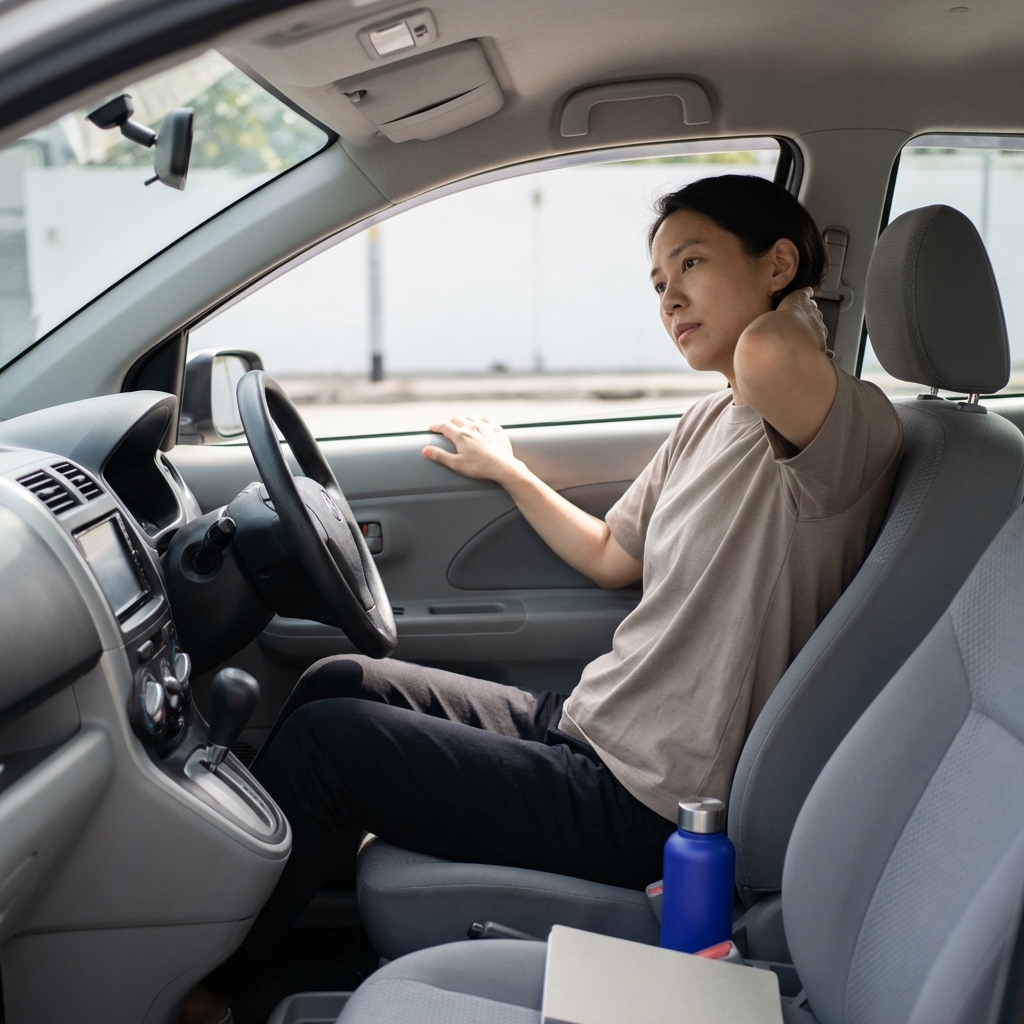
If you already had one hour of sleep, a 20 to 30 minute nap later in the day can still add useful alertness. If you had zero sleep, aim for the same short nap length before attempting critical tasks, knowing that while the nap reduces microsleeps and improves vigilance it will not fully restore complex cognitive functions.
Caffeine can provide transient improvements in alertness and reaction time when used shortly after waking or before a known performance period, but it has a multi-hour half-life so late intake can interfere with recovery sleep and the subsequent nights of restoration FDA caffeine guidance.
Practical approach: use moderate caffeine early after waking or after a short restorative nap if you need temporary alertness, avoid repeated high doses, and stop consuming caffeine well before your intended night’s sleep to preserve recovery capacity.
Combine a short nap with moderate early caffeine only if you have time to nap and then allow caffeine to take effect safely. For safety-critical tasks, prefer delaying the task or using non-driving transport instead of relying on stimulants as a sole defence against impairment.
When planning immediate recovery, also optimise environment: bright light when awake, cool air, upright posture, and short active breaks can all support alertness without compromising later sleep opportunities.
Recurring nights with minimal sleep, persistent daytime impairment, or frequent awakenings that disrupt function are indicators for clinical evaluation rather than continued ad-hoc coping. Clinical guidance recommends assessment when problems are chronic or produce significant daytime effects ACP clinical guideline on insomnia.
If you notice a pattern of poor sleep associated with mood, work performance, or safety risks, document your sleep timing, awakenings, and daytime symptoms to bring to a clinician or to use during a telehealth visit.
For chronic insomnia or habitual short sleep, first-line behavioural therapies such as cognitive behavioural therapy for insomnia provide structured, evidence-based approaches to improve sleep continuity and daytime function. These non-drug strategies aim to rebuild consistent sleep patterns and reduce the need for stopgap measures.
Expect several sessions and active changes to routines and beliefs about sleep; improvements are gradual and typically emerge over weeks, not hours, reinforcing why one-off strategies rarely fix a recurrent problem.
Before an appointment gather a week’s sleep log, note any medications or substances that might affect sleep, and describe daytime effects such as concentration problems or safety concerns. This information helps a clinician determine whether behavioural treatment, further testing, or a brief medication trial is appropriate.
If your daily life or driving safety is affected, be candid about those risks so the clinician can prioritise interventions that reduce immediate harm and plan longer term recovery.
A single extended sleep episode often feels helpful but is only partially restorative; physiological and cognitive recovery after severe sleep loss typically requires several nights of increased sleep to return closer to baseline functioning Van Dongen et al., Sleep.
Expect gradual improvement across nights rather than an immediate reset, and plan for extra time in bed and consistent sleep scheduling to support recovery rather than relying on one long night alone.
Common errors include consuming large late-day doses of caffeine to push through and taking very long naps that lead to deep sleep and grogginess. Both can interfere with the next night’s sleep and prolong the recovery process; use shorter naps and limit caffeine timing to avoid these pitfalls FDA caffeine guidance.
Also avoid using naps as a substitute for planning multi-night recovery; naps are a short-term tool, not a cure for repeated minimal sleep patterns.
People often overestimate their capacity after little sleep. Feeling moderately awake does not guarantee safe performance on tasks needing fast reactions or complex thought. When safety is critical, pair subjective checks with conservative external measures like using a passenger, public transport, or postponing the task.
Using simple behavioural steps and conservative rules reduces risk compared with trusting your impression of alertness alone.
If you managed one hour before a commute, do a quick self-check and consider a 20 to 30 minute nap if time allows, then use conservative travelling choices. Even after that hour and a short nap you may still be slower to react than usual, so plan for extra margin and avoid long highway stretches when possible NHTSA drowsy driving guidance.
If no nap is possible, take a passenger, use public transport, or delay travel. If you must drive, schedule frequent stops, avoid night driving, and keep a phone number for roadside assistance handy.
If you want a printable 48 to 72-hour recovery checklist and practical email tips, download the recovery checklist or sign up for simple nightly guidance to support your next few sleeps.
With no sleep, prioritise a short nap if feasible before the task, then use early moderate caffeine only if needed and safe. For high-stakes work or exams, request a reschedule or an alternative if performance and safety are essential, because a single hour or a short nap improves alertness but does not reliably restore complex cognitive skills.
After the shift or test, plan two to three nights of extended sleep and track daytime function to ensure recovery rather than assuming one night will be enough.
Shift workers and people on call can use strategic naps and planned caffeine to reduce lapses in attention. Short naps before the most demanding period and timed caffeine can help, but long term solutions include schedule design, rest breaks, and rotation strategies that reduce accumulated sleep debt.
If you are repeatedly relying on brief sleep episodes because of shift work, seek workplace solutions and clinical support to manage chronic sleep restriction safely.
When you wake after one hour or no sleep, begin with immediate safety: avoid driving if unsure, take a short 20 to 30 minute nap if possible, use moderate caffeine early if you need temporary alertness, and keep activity levels light during the rest of the day to reduce risk.
Record how you feel and whether you experienced microsleeps or attention lapses, because that record helps decide if you need extra precautions or clinical follow-up over the next days.
On the first recovery night aim to extend total sleep by going to bed earlier or allowing more time in bed, maintain consistent sleep and wake times, limit late caffeine, and create a dark, cool sleep environment to support deeper, consolidated sleep. Behavioural sleep hygiene across successive nights is a key part of gradual recovery.
Expect functional gains over multiple nights rather than full restoration in one cycle. If daytime impairment persists after a few days despite good sleep opportunity, consider clinical evaluation for targeted behavioural or medical interventions.
Track daytime alertness, work performance, and any safety incidents. If you still experience frequent microsleeps, substantial daytime sleepiness, or ongoing safety concerns, seek professional advice because recurrent impairment usually responds to structured behavioural treatments rather than repeated ad-hoc strategies ACP clinical guideline on insomnia.
Keep in mind that recovery is gradual, and planning several nights of protected sleep is the most reliable path back to normal function.
One hour of sleep is better than none in that it reduces microsleeps and modestly improves vigilance, but it does not restore reaction time or complex cognitive control to baseline; safety-sensitive tasks remain risky after very short sleep and should be treated with caution Van Dongen et al., Sleep.
Do take a 20 to 30 minute nap if possible, use moderate early caffeine if needed, avoid driving if in doubt, and plan several recovery nights of extended sleep. Do not rely on one long catch-up or late-day stimulants as a complete fix, and seek professional help if poor sleep and daytime impairment recur ACP clinical guideline on insomnia.
Yes. One hour of sleep typically reduces microsleeps and modestly improves vigilance, but it does not fully restore reaction time or higher cognitive functions, so safety-sensitive tasks may still be impaired.
Caffeine can temporarily boost alertness when used early, but it does not substitute for sleep and its long half-life can interfere with recovery sleep if taken late in the day.
Seek evaluation if minimal sleep or frequent awakenings recur, or if daytime impairment affects safety and daily function; first-line behavioural treatments like CBT-I are commonly recommended.