
The journal
How often should you wash your pillowcase?
Build a practical pillowcase washing routine, know when to change it sooner, and follow fabric-care and dust-mite allergy guidance.
A practical washing routine
- Start with a fresh pillowcase once a week, and change it sooner when it is damp or visibly dirty.
- Follow the care label for both washing and drying. Silk and other delicate fabrics may need a gentler routine.
- For a diagnosed dust-mite allergy, consider washable bedding and protective pillow covers as part of your allergy-management plan.
How many times a week should you wash your pillowcase?
Once a week is a useful starting routine. Put on a clean pillowcase on your usual laundry day, then adjust if sweat, hair products or visible marks make it feel dirty sooner. A spare cover makes it easier to change the pillowcase without running a separate wash.
This is a practical household schedule, not a rule that every sleeper must follow exactly. Your fabric's care label and any advice given for a diagnosed condition matter more than a rigid calendar.
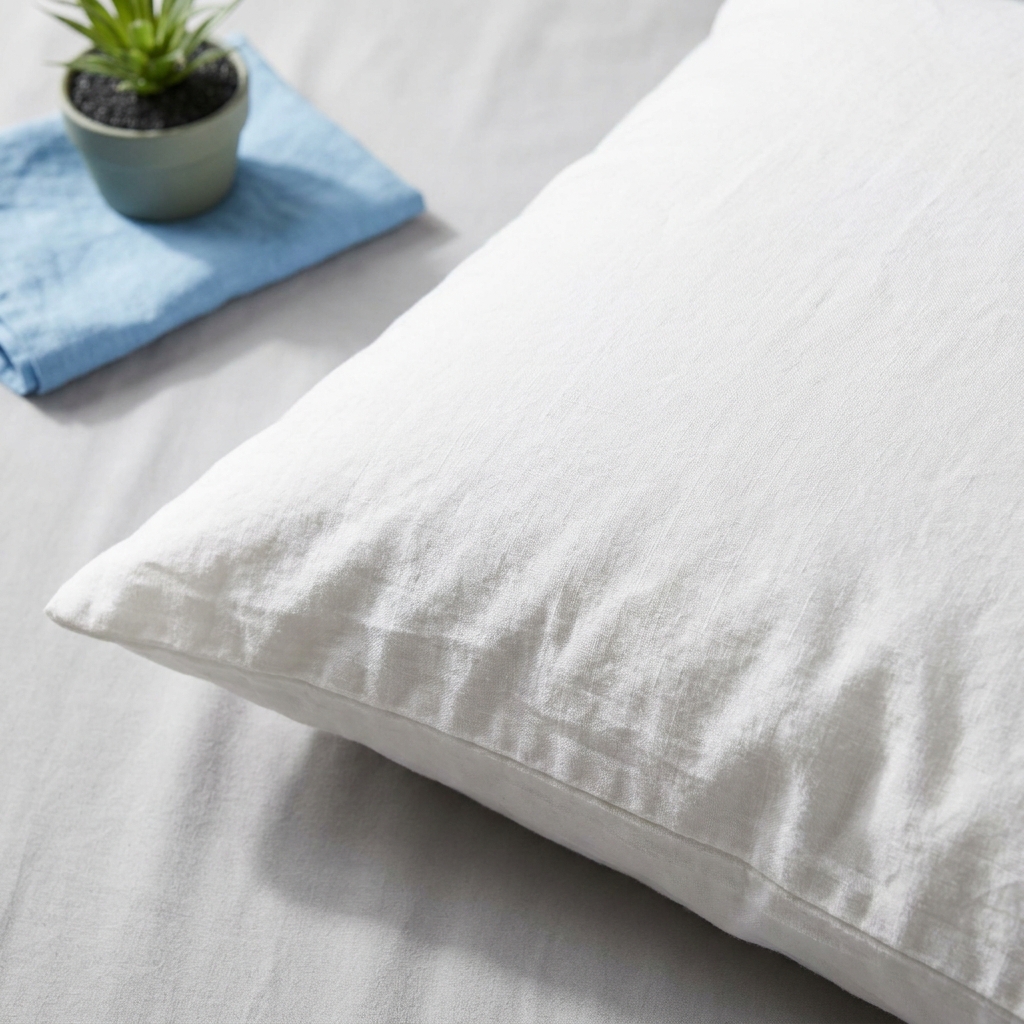
When should you change it sooner?
Check the pillowcase when you make the bed. If it is damp from sweating, visibly soiled, or covered in product residue, use a fresh one. You do not need to wait until the next scheduled laundry day. Keep used covers separate from the clean stack.
If you prefer changing it twice a week, try a simple Sunday-and-Wednesday rotation. That is a convenience option, not a proven treatment schedule for acne. Clean bedding can be part of a comfortable routine, but it should not replace appropriate skin care or treatment. The American Academy of Dermatology's acne skin-care resources cover those questions separately.
What changes if you have a dust-mite allergy?
The Asthma and Allergy Foundation of America recommends washing bedding weekly in water at least 130°F (about 54°C) to kill dust mites. It also recommends allergen-resistant covers for pillows and mattresses. Check the fabric label before choosing a hot cycle; not every pillowcase tolerates it.
If your preferred fabric cannot handle that wash, discuss suitable alternatives with your clinician rather than assuming more frequent cool washes provide the same mite-control effect. Choose a routine that fits both the material and your allergy advice.
How to wash and dry a pillowcase
- Read the label. Check the permitted temperature, cycle and drying method before adding the cover to a load. Separate colours or delicate fabrics as the label directs.
- Use the recommended detergent amount. Follow the detergent packaging and machine instructions. More detergent is not automatically better.
- Choose a suitable cycle. Leave enough room for laundry to move. Treat stains according to the fabric and stain-remover instructions.
- Dry it completely. Use the drying method permitted on the label, then fold the pillowcase or put it back on a dry pillow.
The CDC's household laundry guidance recommends detergent, the recommended water temperature and complete drying. It also advises washing your hands after handling dirty laundry and cleaning hampers appropriately. Laundry from someone who is sick can be washed with other household items; follow any condition-specific advice you have been given.
What about silk and other delicate fabrics?
Do not turn up the heat just to meet a generic washing schedule. If the label specifies hand washing, a cool cycle or air drying, follow it. Keep another clean case available while the delicate one dries. A care label that forbids tumble drying is not an invitation to use a hot dryer for a shorter time.
For an easier weekly routine, compare the care requirements before buying. A fabric that fits your normal laundry load may be more useful than one that needs a separate process you struggle to maintain.
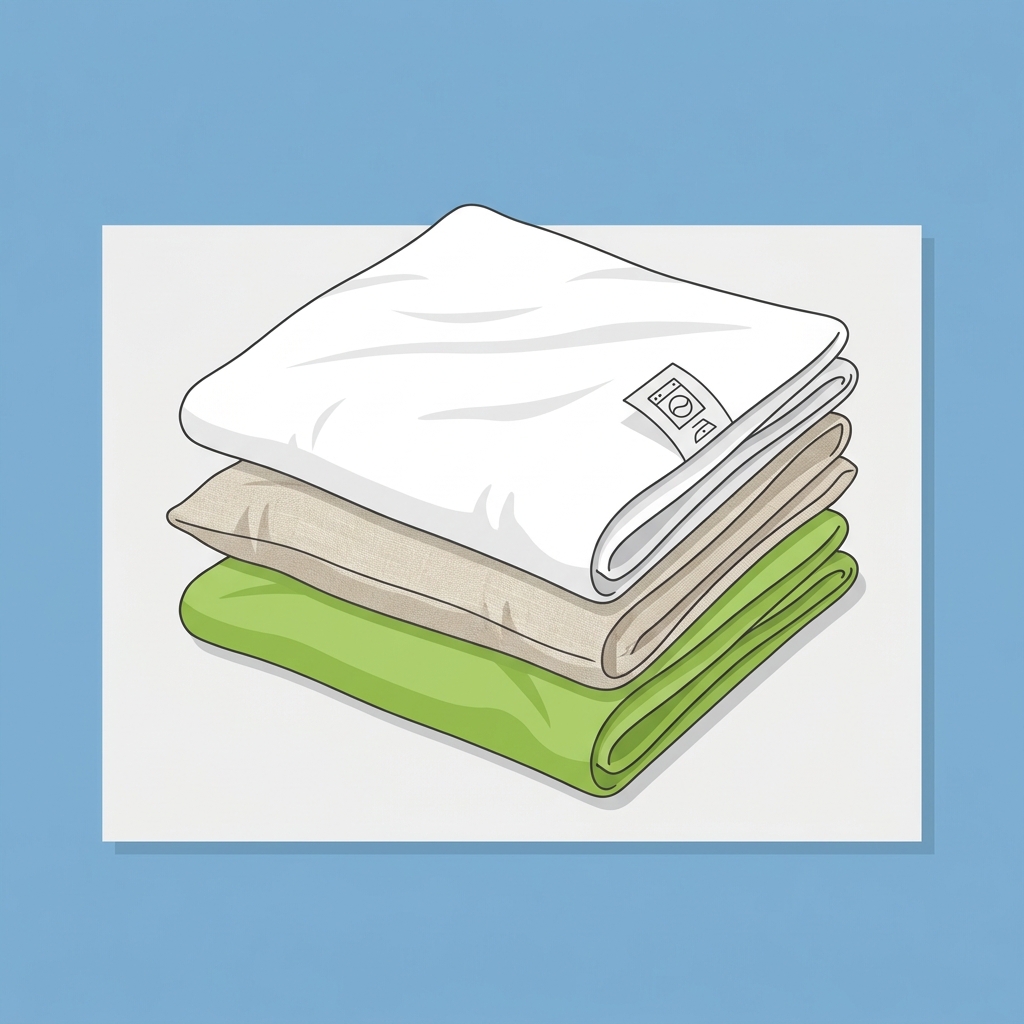
A small rotation that is easy to keep up
Your pillowcase checklist
- Choose one regular change day.
- Keep a clean spare beside your bedding.
- Change earlier when the case becomes damp or visibly dirty.
- Wash and dry according to the label.
- Review allergy-specific needs separately if they apply.
Two pillowcases per pillow can cover a simple weekly rotation: one on the bed and one clean or in the wash. A third gives you more flexibility after an unexpected change or when laundry takes longer to dry. This is an organisational suggestion, so adapt the number to your household.
Changing the pillowcase is also different from cleaning the pillow inside it. For fill-specific instructions, see our guide to washing different pillow types. Check both labels before putting them in the same load.

Common questions
Do I need to wash a pillowcase every day?
A daily change is not the default routine suggested here. Start weekly and change sooner when the cover is dirty or damp, or when a clinician gives you different advice. Keep spare cases if you prefer more frequent changes.
Can I just turn the pillow over?
Turning it over does not clean the fabric. If the cover needs washing, replace it with a clean one rather than treating the other side as a substitute for laundering.
Does a fresh pillowcase cure acne?
No. This guide does not claim that a washing schedule treats acne. If breakouts persist, use reliable skin-care guidance and seek advice from a qualified clinician.
Make the next change easy
Set out a spare pillowcase today and add a weekly reminder to your laundry routine. For more bedding and bedroom guidance, explore Talk About Sleep.