
The journal
How do hotels keep sheets tight on beds? Practical steps for home
how to keep fitted sheet on mattress: measure mattress and topper, choose deep-pocket or reinforced elastic sheets, learn hospital corners and use straps if needed.

Quick answer and what this guide covers
Hotels keep sheets tight by focusing on a few simple, repeatable items: match the sheet pocket depth to the mattress and any topper, use a proper tuck such as hospital corners for a flat bottom sheet, and rely on strong elastic or straps when needed. Evidence and consumer guidance point to pocket-depth matching as the primary determinant of whether a fitted sheet stays on the mattress, and hotels add careful tucking as a reliable backup for flat sheets.
Below I summarize the main solutions and then walk through measuring, tucking, product choices and care. You will find step-by-step instructions for hospital corners, practical fitted-sheet habits used by housekeeping, a short buying checklist, and simple troubleshooting tips so you can stop waking to popped-off corners. See our editorial section.
Short summary of the main solutions
For most homes the fastest wins are to measure mattress thickness including any topper, buy a fitted sheet with matching pocket depth and a full-perimeter or reinforced-corner elastic, and learn a basic hospital corners tuck for a flat bottom sheet. If a fitted sheet still slips, sheet suspenders or clip straps that run diagonally under the mattress provide a reliable aftermarket fix.
How to use this article: how to keep fitted sheet on mattress
Start with the measurement section if you plan to buy new sheets. If you already have sheets, move to the tucking techniques and the products and fixes section. Finish with care and troubleshooting so your chosen solution lasts.
Why proper fit matters: pocket depth, toppers, and elastic
Matching fitted-sheet pocket depth to the actual mattress thickness, including any mattress topper, is the single most important factor in whether a fitted sheet will stay put; buying the right pocket depth removes most slipping problems before you try other fixes.
Measure your mattress by stacking the mattress and any topper as you actually sleep on them and measure straight down from the top surface to the floor. Write this total thickness down and use it when shopping; many deep and extra-deep options are sold to cover thicker setups and toppers Sleep Foundation on deep pocket sheets. See another how-to.
Quick measuring checklist, step by step:
- Press any bedding aside so the mattress top is visible and measure from top surface straight down to the bottom edge.
- If you use a topper, measure the topper thickness separately and add it to the mattress depth.
- Note that some toppers compress a little under weight; if you sleep on the topper directly, add a small allowance to be safe.
Understanding pocket depth labels: standard fitted sheets often list a pocket depth in the product description. Typical ranges are standard, deep and extra deep; if your measured total thickness is near the upper end of a range, choose the deeper option. Reinforced corner elastic or full-perimeter elastic helps the sheet grip the mattress more uniformly and reduces the chance of corners popping off, compared to partial elastic designs commonly found on cheaper sets Wirecutter review of bed sheets. Purple also offers practical tips for keeping sheets in place Purple guide.
How do hotels keep sheets tight on beds?
Hotels keep sheets tight by matching sheet pocket depth to mattress thickness, using hospital corners for flat sheets, choosing strong elastic designs and adding straps when needed.
After you measure, keep the measurement handy in your phone or on a note so you can compare it against product pocket depth listings when you shop.
Hotel tucking techniques you can copy at home
The most widely taught hotel-style tuck for flat bottom sheets is the hospital corner, a 45-degree fold-and-tuck that locks the sheet against the mattress and prevents loose fabric from pulling out with movement The Spruce on hospital corners.
Step-by-step hospital corner method for a flat bottom sheet:
- Drape the flat bottom sheet evenly over the mattress so equal fabric hangs down both sides.
- At one corner, lift the side fabric to form a 45-degree fold so the end of the sheet aligns with the mattress corner.
- Tuck the hanging fabric under the mattress at the foot of the bed so the folded triangular flap sits on top.
- Fold the triangular flap down over the side of the mattress and tuck it tightly under the mattress edge to form a clean, angled corner.
- Repeat the process at each corner and smooth the top surface so the fold remains flat.
Why hospital corners work: the 45-degree fold creates tension perpendicular to the mattress edge so the tucked fabric resists being pulled out. Hotels use this method because it is simple, repeatable and secures a flat bottom sheet without additional hardware The Spruce on hospital corners.
Fitted-sheet positioning tips used in housekeeping: square the fitted sheet so all four corners sit over the mattress corners, then step into each corner to fully seat the elastic into the mattress edge and smooth excess fabric into the pocket. If you use a topper, confirm the sheet pocket fits over the topper plus mattress together before making the bed.
Products and fixes that help when fit and tucking are not enough
When fit and tucking still leave a problem, sheet suspenders or clip straps that attach diagonally under the mattress are a practical fix that pulls corners together and resists slipping during the night. For product roundups that compare strap designs, see this practical guide Feathers Itchy roundup.
How sheet suspenders work: straps run from the corner of the fitted sheet diagonally under the mattress to the opposite side and clip into place, creating downward tension that keeps the elastic seated. Many designs are adjustable so you can set the tension and length for your mattress depth.
step-by-step attachment checklist for sheet suspenders
Choosing straps: look for adjustable length, sturdy clips and a design that connects to the sheet corner or mattress corner without damaging fabric. Straps are most useful when a sheet is slightly too shallow or when sleepers use a thick topper that adds depth beyond the sheet pocket design.
Which sheet designs reduce the need for straps: deeper pockets sized to your measured depth and full-perimeter elastic or reinforced corner elastic provide the best staying power. If you buy sheets that specify extra-deep pockets and a continuous elastic, you often avoid aftermarket solutions.
Care, laundering, and why sheets change fit over time
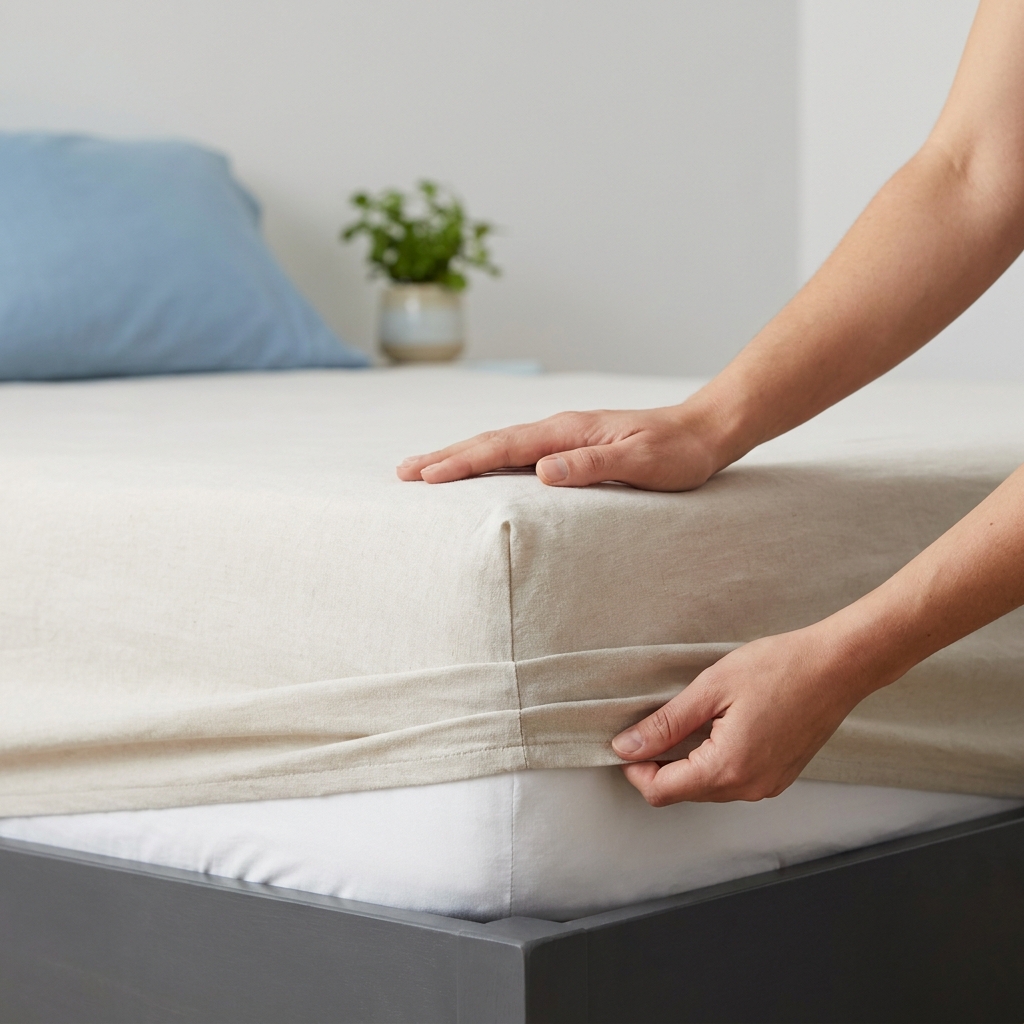
Practical care steps to preserve fit include washing sheets at recommended temperatures, avoiding excessive drying time on high heat, and replacing worn elastic before repeated dimensional change makes a good fit impossible. Elastic bands lose tension with age and heat exposure, which reduces holding power even for correctly measured pockets.
One simple example: if a cotton sheet shrinks slightly on first washes it can become tighter around the mattress top but looser at the corners depending on cut and weave; treating sheets gently and following care labels minimizes large changes over time.
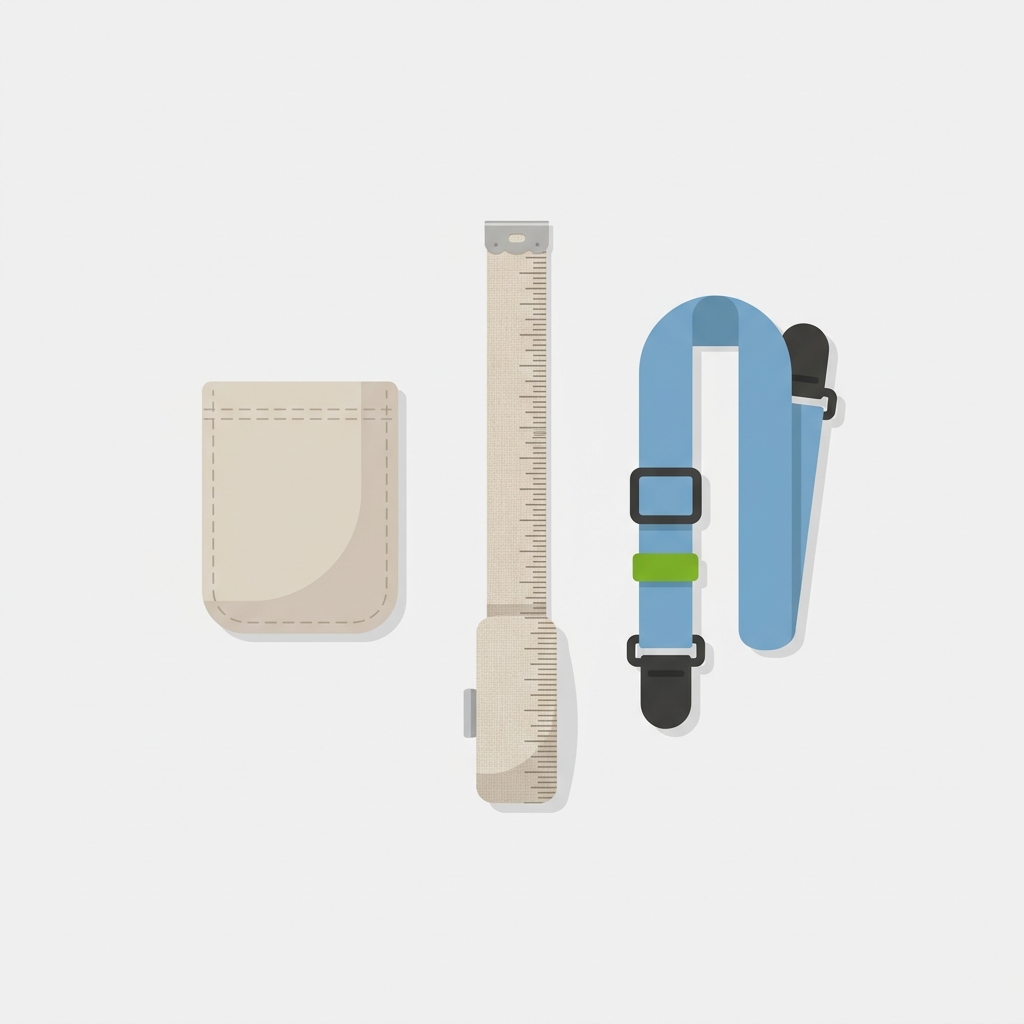
Common mistakes, troubleshooting, and final checklist
Typical errors that make sheets slip include failing to measure toppers, buying sheets with only two-sided or limited elastic, and not fully seating corners when making the bed. These mistakes are easy to fix and often account for most complaints about popped-off sheets.
Troubleshooting flow you can use now: measure mattress and topper, check whether your sheet pocket depth matches that measurement, confirm elastic is full-perimeter or reinforced corners, try a proper hospital corner tuck for a flat sheet, add straps if needed, and replace the sheet if elastic is worn out or the fabric has changed dimensionally.
Final short checklist when remaking a bed to get hotel-like tightness:
- Measure mattress plus topper and record the number.
- Choose fitted sheets with matching pocket depth and continuous or reinforced elastic.
- Square and seat each corner fully; step into each corner to set the elastic.
- Use hospital corners for a flat bottom sheet when you need the tightest hold.
- Add sheet suspenders if a fitted sheet remains shallow or elastic is worn.
With these steps you can replicate the main elements hotels use to keep sheets tight: correct fit, reliable tucking, and hardware fixes only when needed. See related posts.

Frequently asked questions
How deep should my fitted sheet pocket be?
Measure your mattress plus any topper and choose a fitted sheet pocket depth at least as deep as that total thickness, or pick a deep or extra-deep option if your measurement is near the upper limit of a range.
Can hospital corners replace a fitted sheet?
Yes. A tightly tucked flat bottom sheet with properly made hospital corners creates a secure hold and is a reliable alternative when fitted sheets do not fit well.
Will straps damage my mattress or sheets?
Properly designed sheet suspenders clip to the sheet or run under the mattress without damaging materials; choose straps with sturdy clips and check them periodically for wear.
If a quick measure and proper tuck do not solve the problem, try straps or replace sheets with worn elastic. Simple measurement, careful tucking and modest hardware are enough for most homes to get hotel-like tightness. Use the short checklist in the troubleshooting section each time you remake the bed and keep your mattress-plus-topper measurement handy when buying sheets.
Product options for this topic
As an Amazon Associate I earn from qualifying purchases. These are researched options, not hands-on test results. Check the exact size or model, current price and availability on Amazon.
| Product option | Fit and limits to check | Retailer |
|---|---|---|
| Mellanni Iconic Collection Microfiber Sheet Set | A fitted-sheet set option. Confirm mattress size and depth, including any topper, rather than relying on the pocket-depth label alone. | View on Amazon |
| Utopia Bedding Bed Sheet Set | An alternative sheet set. Check exact mattress dimensions, fitted depth, fabric and care label before buying. | View on Amazon |