
The journal
What to use instead of tennis balls to dry pillows
The most reliable substitute for tennis balls when drying machine‑dryable down pillows is wool dryer balls on low heat, then finish on air dry. If you don’t own them, you can use rolled cotton T‑shirts or a dryer‑safe stuffed toy to add gentle agitation. Always follow the pillow’s sewn care label.
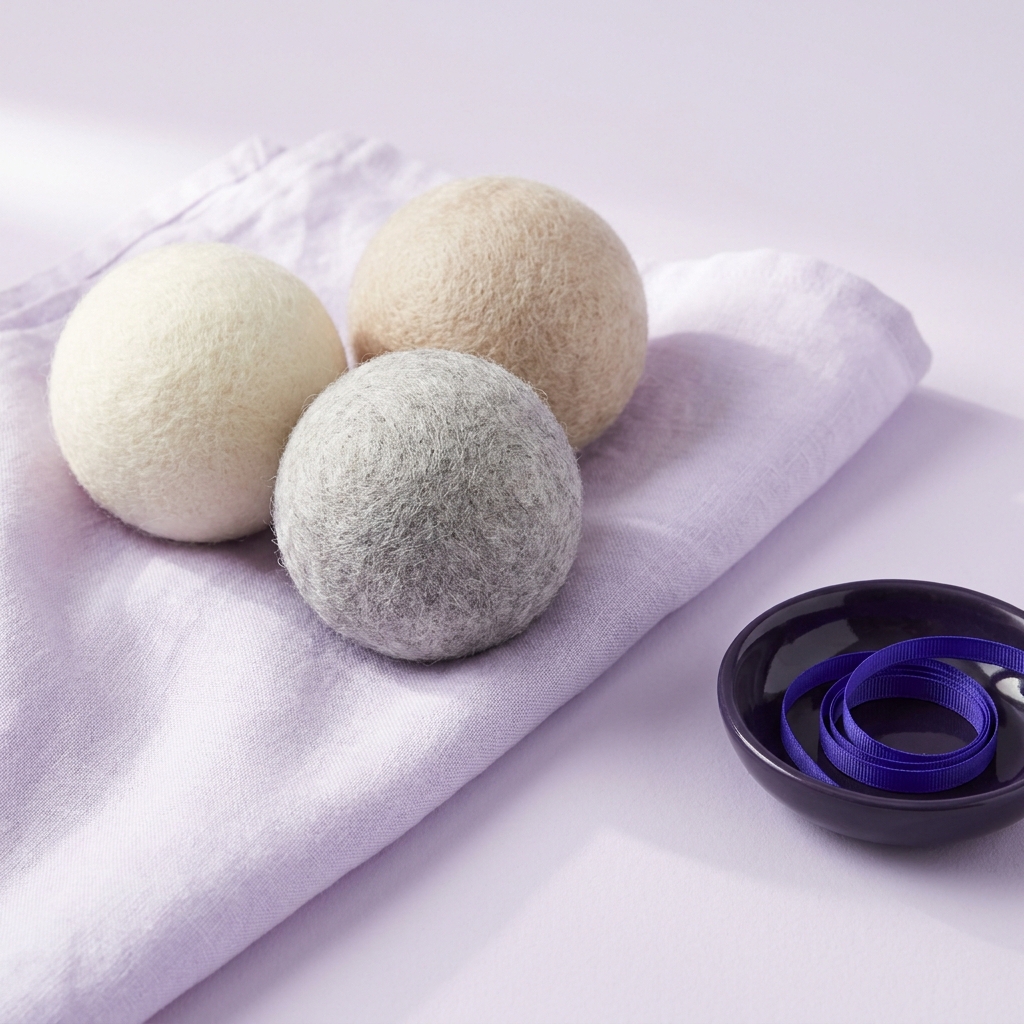
Use wool dryer balls on a low-heat setting to dry machine-dryable down or feather pillows. They provide the same agitation benefit as tennis balls and are specifically recommended for this job. To finish, switch to an air-only cycle and make sure the pillow is completely dry before use (The Laundress). If you don’t have dryer balls, you can add a few clean, dryer-safe soft items like tightly rolled cotton T-shirts or a stuffed toy to create gentle kneading during the cycle (Sleep Advisor). Always follow the pillow’s sewn care label.
Why dryer balls help, and when this works
In a tumble dryer, balls or similarly safe objects act as agitators that break up clumps so loose fills can re-loft. For down pillows, a care guide explicitly recommends adding wool dryer balls or clean tennis balls and using low heat, then switching to no heat to finish. It also advises removing the pillow mid-cycle to shake it, and ensuring it is fully dry to prevent mildew (The Laundress). This guidance is intended for down pillows that are labeled as machine-dryable.
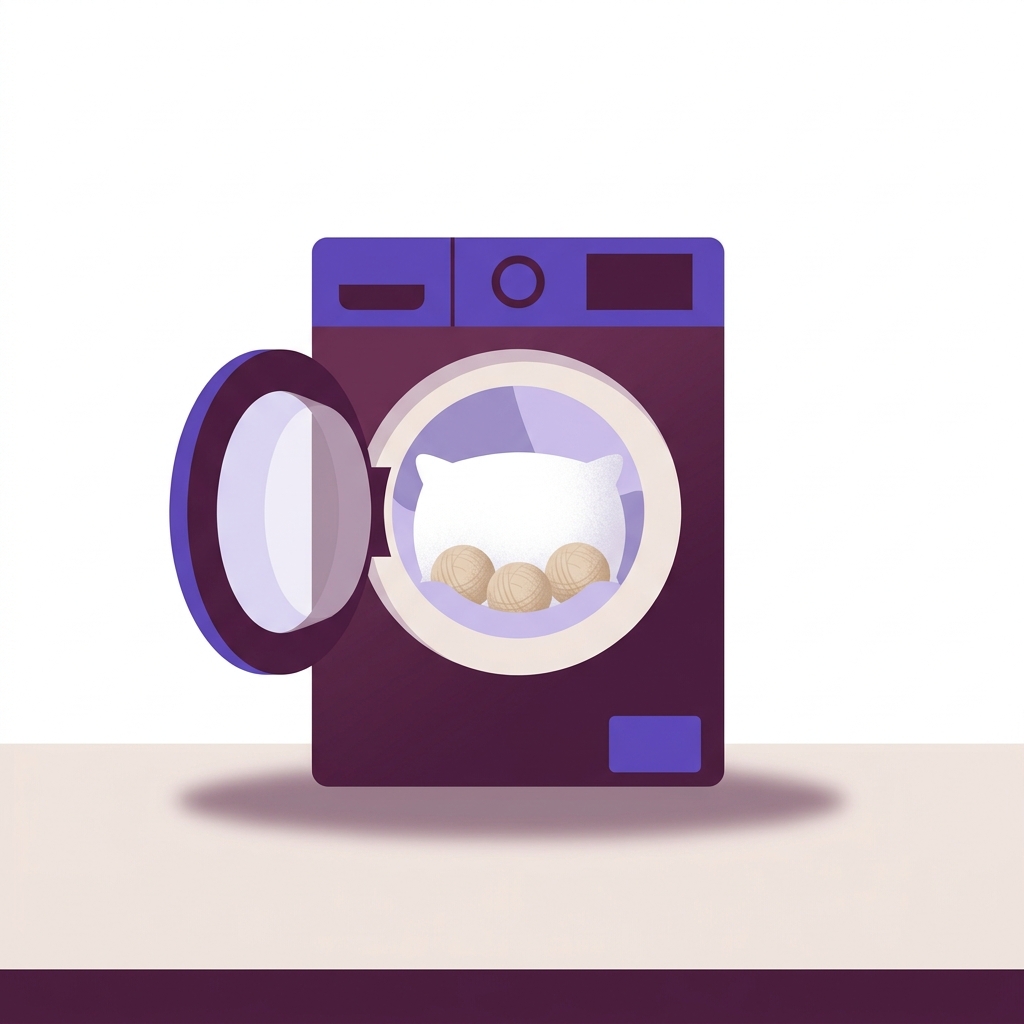
Step-by-step: dry a down pillow without tennis balls
- Confirm the label: Make sure the pillow’s sewn care label allows tumble drying. If the label forbids it, do not machine-dry.
- Load the dryer: Place the pillow with a few wool dryer balls.
- Choose low heat: Run on low heat to protect the down and cover (The Laundress).
- Mid-cycle shake: Halfway through, pause and shake the pillow vigorously to redistribute fill and reduce clumps (The Laundress).
- Finish without heat: Switch to an air-dry/no-heat cycle to finish drying (The Laundress).
- Verify dryness: Ensure the pillow is completely dry all the way through before use or storage to avoid mildew (The Laundress).
No dryer balls on hand? Practical substitutes
If you don’t own wool dryer balls, you can add a bit of safe, gentle agitation with common, soft items:
- Rolled cotton T-shirts, tightly secured so they stay in a ball shape (Sleep Advisor).
- A clean, dryer-safe stuffed toy (Sleep Advisor).
- Clean flip-flops are also mentioned by Sleep Advisor, but only use dryer-safe materials and consider enclosing them in a laundry bag to minimize marking (Sleep Advisor).
These are makeshift options to create light kneading. For down pillows, a fabric-care guide specifically endorses wool dryer balls (or clean tennis balls) used on low heat, then air only to finish (The Laundress). Always default to the pillow’s label.
Quick checks before drying pillows without tennis balls
Common mistakes to avoid
- High heat: Down can overheat; stick to low heat when permitted (The Laundress).
- Stopping while damp: Incomplete drying can lead to mildew; finish on no heat and check the core for moisture (The Laundress).
- Ignoring the label: If your pillow’s instructions say not to tumble dry, don’t use the dryer. Follow the manufacturer’s care guidance.
Related guides from Talk About Sleep

FAQ
Can I use these substitutes on any pillow?
No. The wool dryer ball guidance and the low-heat plus air-dry steps are documented for down pillows that are labeled machine-dryable (The Laundress). For other fills, follow the sewn care label or contact the manufacturer.
Do I have to switch to air-only at the end?
For down pillows, a care guide recommends finishing on no heat after low heat drying to complete the process safely (The Laundress).