
The journal
What does staple cotton mean? A clear guide for sheet shoppers
A simple, accurate definition of staple cotton for bedding buyers, with how it’s classified, why length matters, and how to read labels.
Staple cotton means the length of individual cotton fibers. In bedding, longer staple fibers generally spin into smoother, stronger yarns with fewer loose ends, which supports softer handfeel and better resistance to pilling over time (Wikipedia: Staple (textiles); Memo Textile: Egyptian cotton guide).
How staple length is measured
Professional cotton classification measures fibre properties, not the sheet’s thread count. The National Cotton Council describes bale samples being assessed with high-volume instrumentation and a classer for properties including length, strength and length uniformity. Compare documented measurements using the same system rather than treating a retailer’s length label as a universal quality grade. National Cotton Council: classing cotton
Why longer staple usually feels softer and lasts longer
Longer fibers can be twisted into yarn with fewer protruding ends, producing a smoother surface that feels softer against skin. Those longer fibers also deliver stronger, more even yarn that tends to break less during spinning and shed fewer short ends at the fabric surface, which helps reduce pilling and visible wear through wash cycles (Memo Textile: Egyptian cotton guide; Wikipedia: Staple (textiles)).
Remember that fabric feel also depends on spinning, ply, weave and finishing, not fiber length alone. Still, staple length is a reliable input to compare side by side on product pages (Peacock Alley long-staple guide).
Label terms, origins and named fibers
The Supima FAQ distinguishes its licensed American extra-long staple cotton from generic retail Pima wording. It also explains that Egyptian origin alone does not establish fibre length.
- Long-staple and extra-long staple: These phrases describe fiber length classes, not geography. They are the most direct label clues to fiber length.
- Egyptian cotton: Refers to origin. Egypt grows both long-staple and extra-long staple varieties; the label alone does not guarantee ELS. Many ELS Egyptian fibers belong to cultivars like Giza; long-staple Egyptian fibers exist too (Memo Textile: Egyptian cotton guide).
- Pima and Supima: Retail Pima wording alone is not proof of extra-long staple content. Supima is the trademark for American-grown extra-long staple cotton from a licensed supply chain (Peacock Alley long-staple guide).
- Species note: The cotton species Gossypium barbadense produces extra-long staple fibers used in premium yarns (Wikipedia: Staple (textiles)).
How to read sheet listings in practice
Ask for measurable details
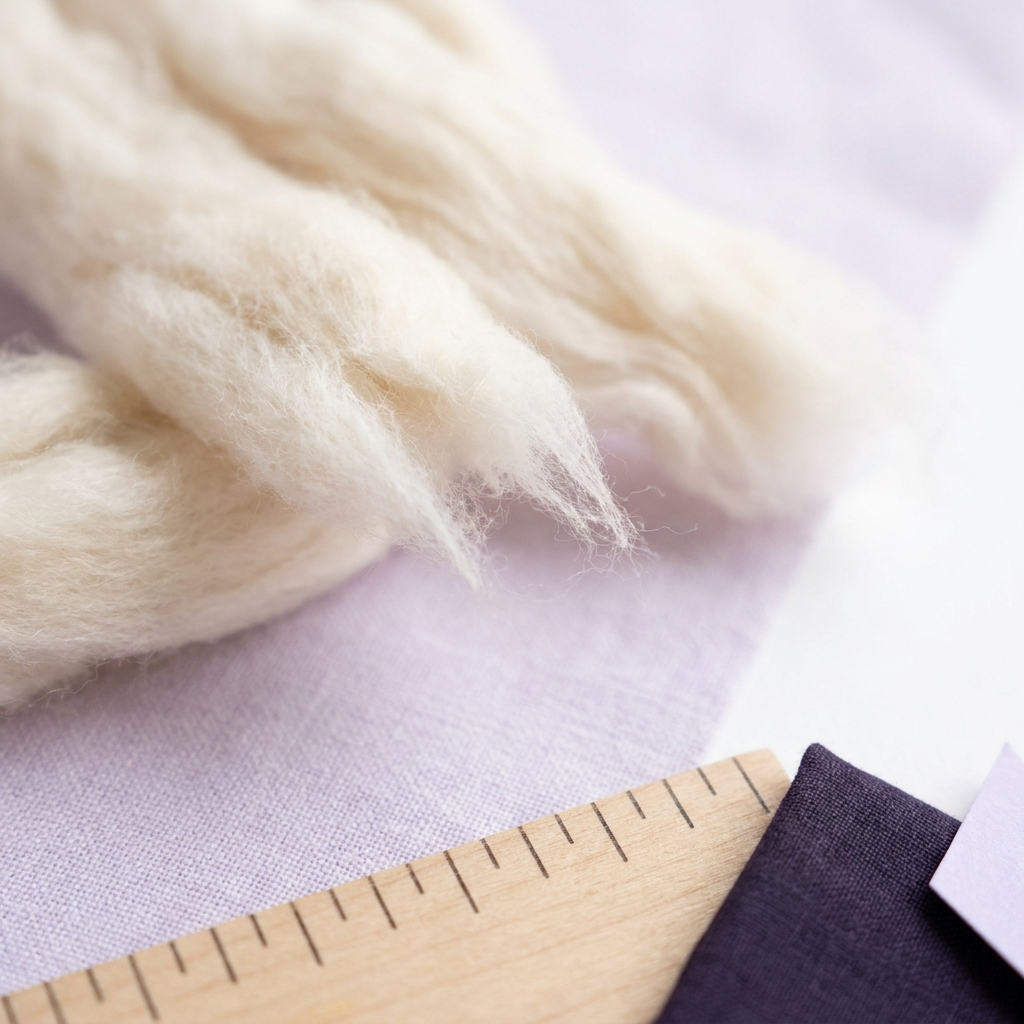
- Staple length in inches or millimeters, with the measurement method and supporting specification (Wikipedia: Staple (textiles); Memo Textile: Egyptian cotton guide).
- Fibre identity and supporting documentation: a generic Pima retail claim is not proof of measured length.
- Ply and weave, which also shape feel and durability (Memo Textile: Egyptian cotton guide).
Care matters too
Follow the finished sheet’s care label. Fibre length alone does not determine an appropriate wash temperature, dryer setting or softener policy (Peacock Alley long-staple guide).
Quick checklist before you buy cotton sheets
Related reading from Talk About Sleep
Short FAQ
Is long-staple the same as Egyptian cotton?
No. Long-staple describes fiber length; Egyptian describes origin. Egypt grows both long-staple and extra-long staple cotton, so look for length claims or named fibers to know which you are buying (Memo Textile: Egyptian cotton guide).
Is Pima the same as extra-long staple?
Pima on a retail label is not by itself proof of extra-long staple fibre. Supima identifies American-grown extra-long staple cotton within its licensed supply chain (Peacock Alley long-staple guide).
Staple length is a useful specification to ask the manufacturer to document. Use it alongside weave and care to choose sheets that feel great and stay that way through many washes.
