
The journal
What is the difference between a bed runner and a bed throw?
A clear, practical explanation of how bed runners and bed throws differ, what a bed runner is used for, and how to choose and care for each.
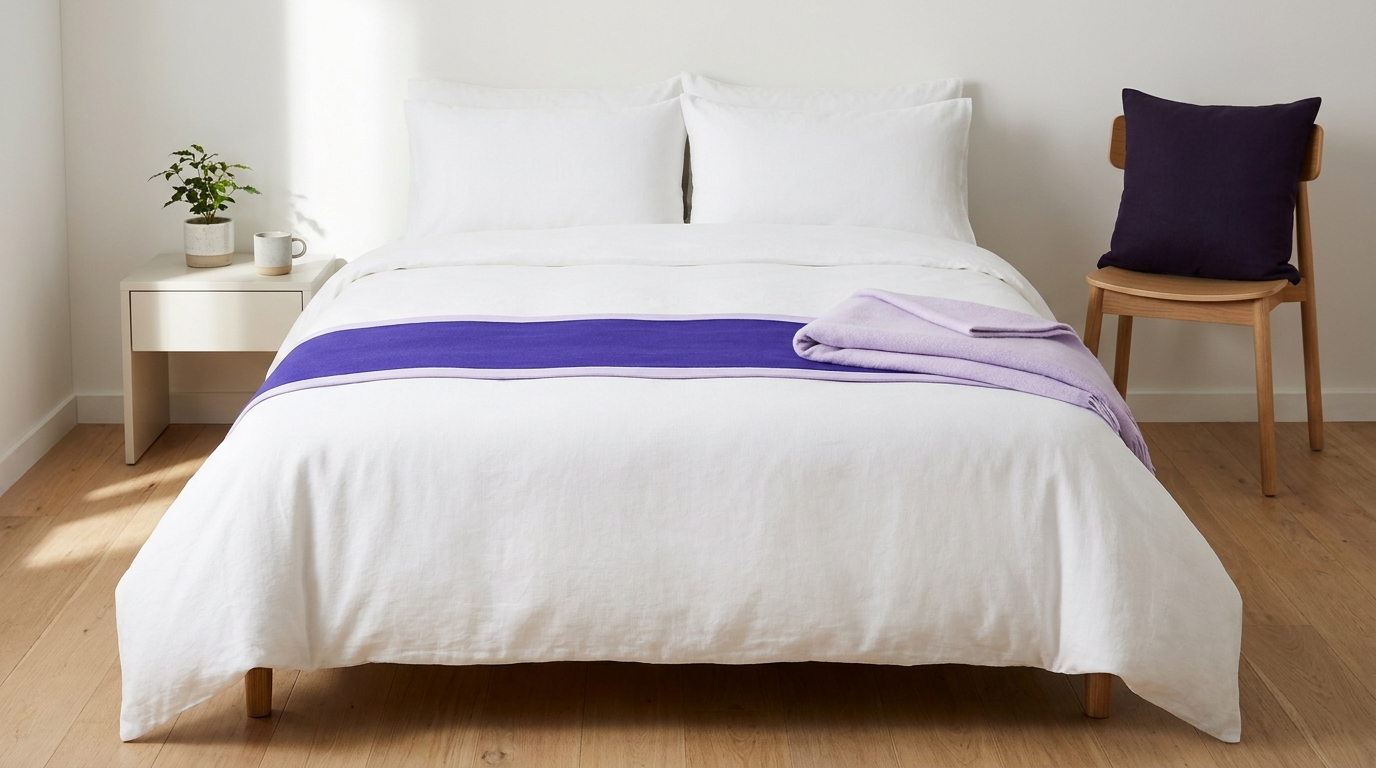
A bed runner is a long, narrow decorative layer placed across the foot of the bed to add a band of color and protect bedding from shoes, luggage or pets, while a bed throw is a small decorative blanket, typically sized for one person, used for draping or light warmth on the bed or seating. Runners leave most of your duvet visible; throws change the look and can be used off the bed too (Matouk glossary, Soak & Sleep guide).
Shape, size and placement
- Bed runner: a narrow strip that spans the width at the foot of the bed. It is designed so you can still see much of the duvet beneath; in retailer guidance, runners are shown revealing most of the cover, often around two-thirds (Soak & Sleep guide, Matouk glossary).
- Bed throw: a small blanket used decoratively and for light warmth. Retailers commonly describe throws as smaller than bed blankets and suitable for draping over the end of a bed or on chairs; typical throws are about 50 × 60 inches, with oversized options available (Soak & Sleep guide, Or & Zon size overview).
What a bed runner is used for
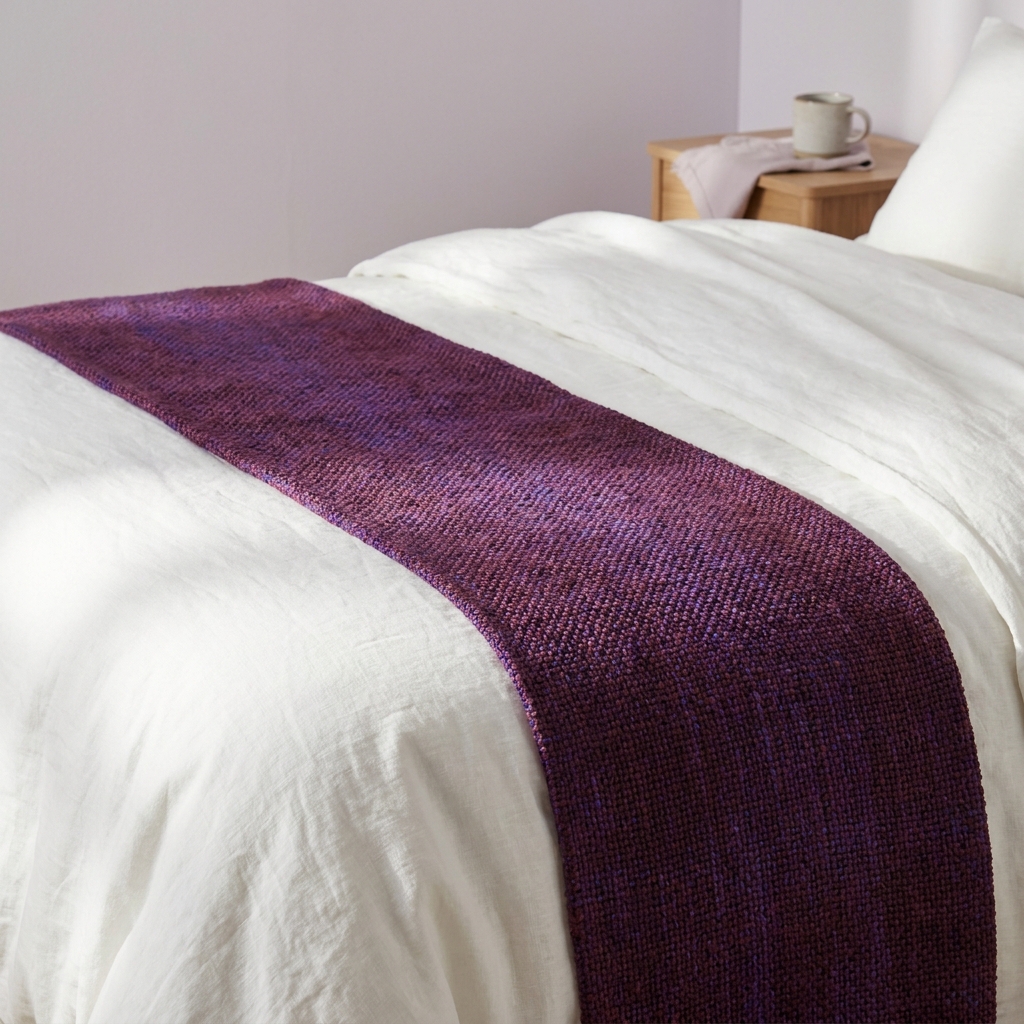
Runners began in hospitality and remain practical at home: they protect the bedding at the foot of the bed from dirty shoes, luggage or pets, and create a tidy, hotel-style accent band (Terrys Fabrics explainer, Matouk glossary). Because they sit on top, they are quicker to wash than a full duvet cover (Terrys Fabrics explainer).
When a throw is the better choice
- Flexible layering and texture: throws add depth draped across the foot or a corner of the bed and can move to a chair or sofa.
- Light, single-person warmth: useful for naps or cool evenings (Matouk glossary, Terrys Fabrics explainer).
Size and proportion tips
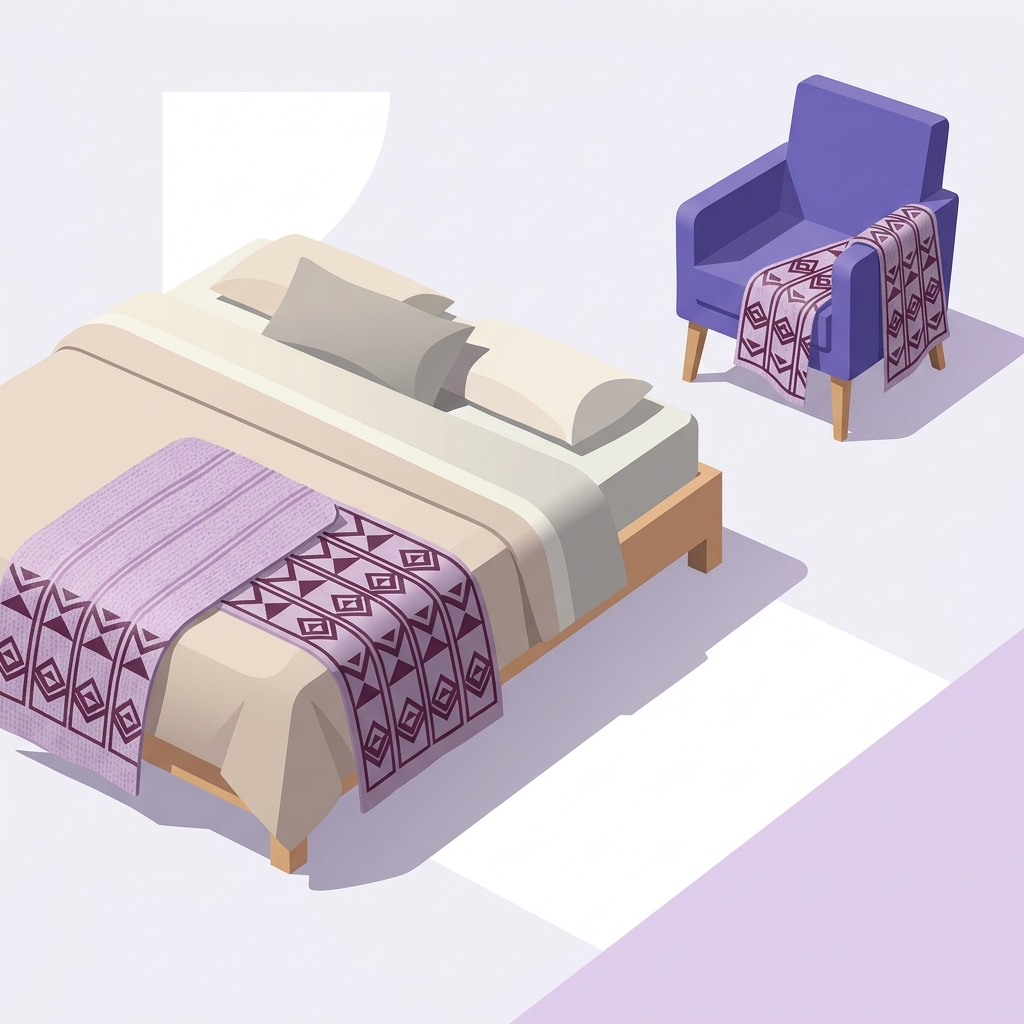
- Runner sizing: choose a runner that spans the full width of the foot of your bed so it reads intentional; small side overhangs are fine, but too short looks accidental (Matouk glossary).
- Throw sizing: a standard throw is often around 50 × 60 inches; on a queen or king, an oversized throw can drape down the sides more pleasingly (Or & Zon size overview).
Materials and care: follow the label
Runners and throws come in cotton, wool, linen and synthetic blends. Care varies by fabric, so follow the product label rather than assuming a single method (Matouk glossary). For related care detail, see our guides on washing wool blankets safely and how to wash a quilt without ruining it.
Quick checklist: choose runner or throw
At-a-glance
- Pick a bed runner when you want a tidy, hotel-style band at the foot and protection for the duvet (Matouk glossary).
- Pick a bed throw for versatile draping and one-person warmth on or off the bed (Soak & Sleep guide, Or & Zon size overview).
FAQs
Can I use a runner and a throw together? Yes. Style a runner across the foot for a neat accent and keep a throw folded at the corner or on a chair for grab-and-go warmth (Matouk glossary).
Does a runner add warmth? Only slightly at the foot; its primary role is decorative and protective, especially in hotel-style setups (Matouk glossary).
Where else can I use a throw? Draped over sofas and chairs or folded in a basket so it is visible and within reach (Terrys Fabrics explainer).
