
The journal
Wash a Quilt Without Ruining It: Safe, Simple Steps
Clear, practical steps to wash a quilt safely — how to choose machine vs hand washing, test for colorfastness, rinse and dry without strain, and store to protect seams, batting and color.
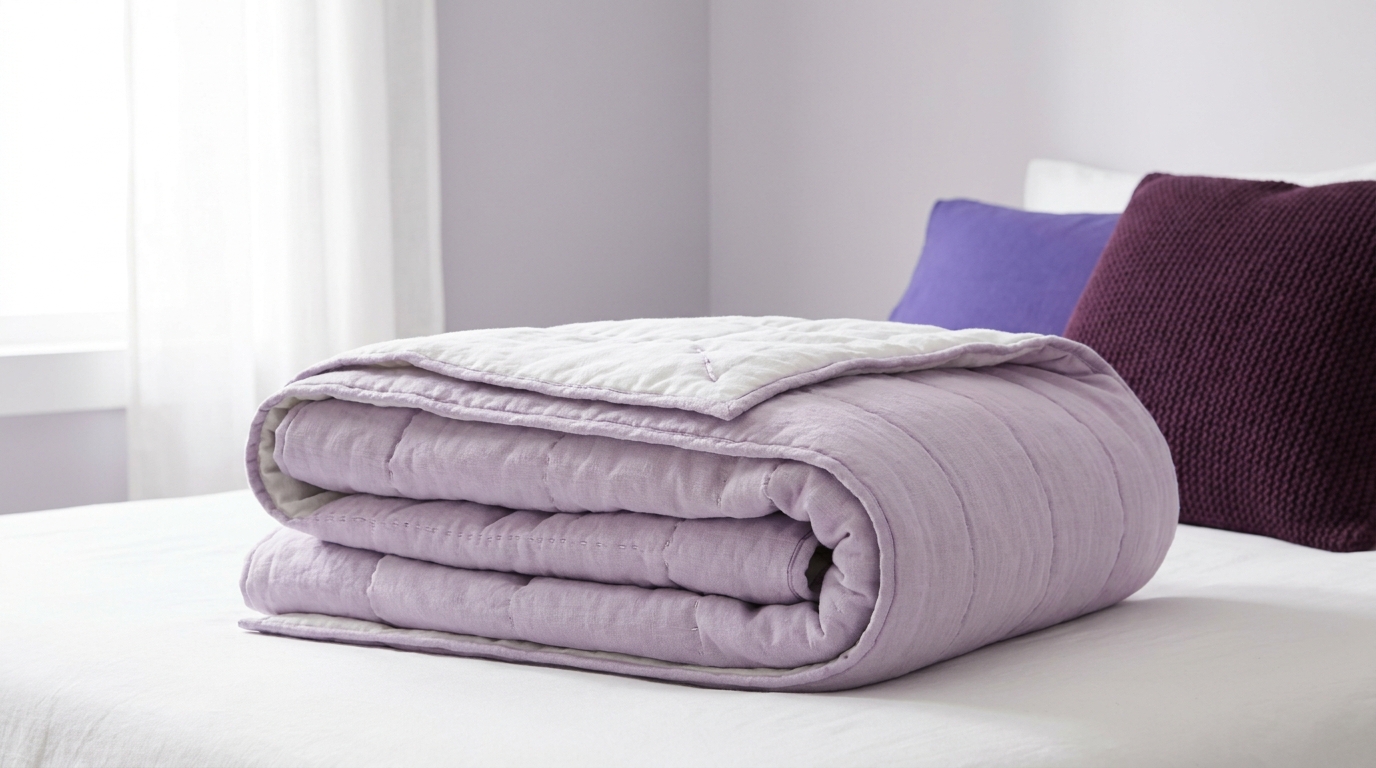
Yes. You can wash most quilts without ruining them, as long as you match the method to the quilt: machine-wash sturdy, colorfast quilts on a gentle cycle, and hand-wash or avoid wet cleaning for fragile, vintage or non-colorfast pieces. Always support the quilt’s weight, rinse thoroughly, and dry with minimal stress on seams and batting (https://www.snooze.com.au/blogs/inspiration/how-to-wash-a-quilt?srsltid=AYCX9vLIJLfkdSZG8NHadEernZ95VSTUngi7k8_9kPGGXnaKhF9t3IS-; https://soakwash.com/pages/quilt-washing?srsltid=AYCX9vIUhrtSE4ubsr1LR321tJboK7tlLL3cXwi8L0-ReuxHJJASM5ox; https://extensionpubs.unl.edu/publication/g1821/2007/html/view).
Decide first: should you machine-wash or hand-wash?
Inspect label, seams and test for colorfastness
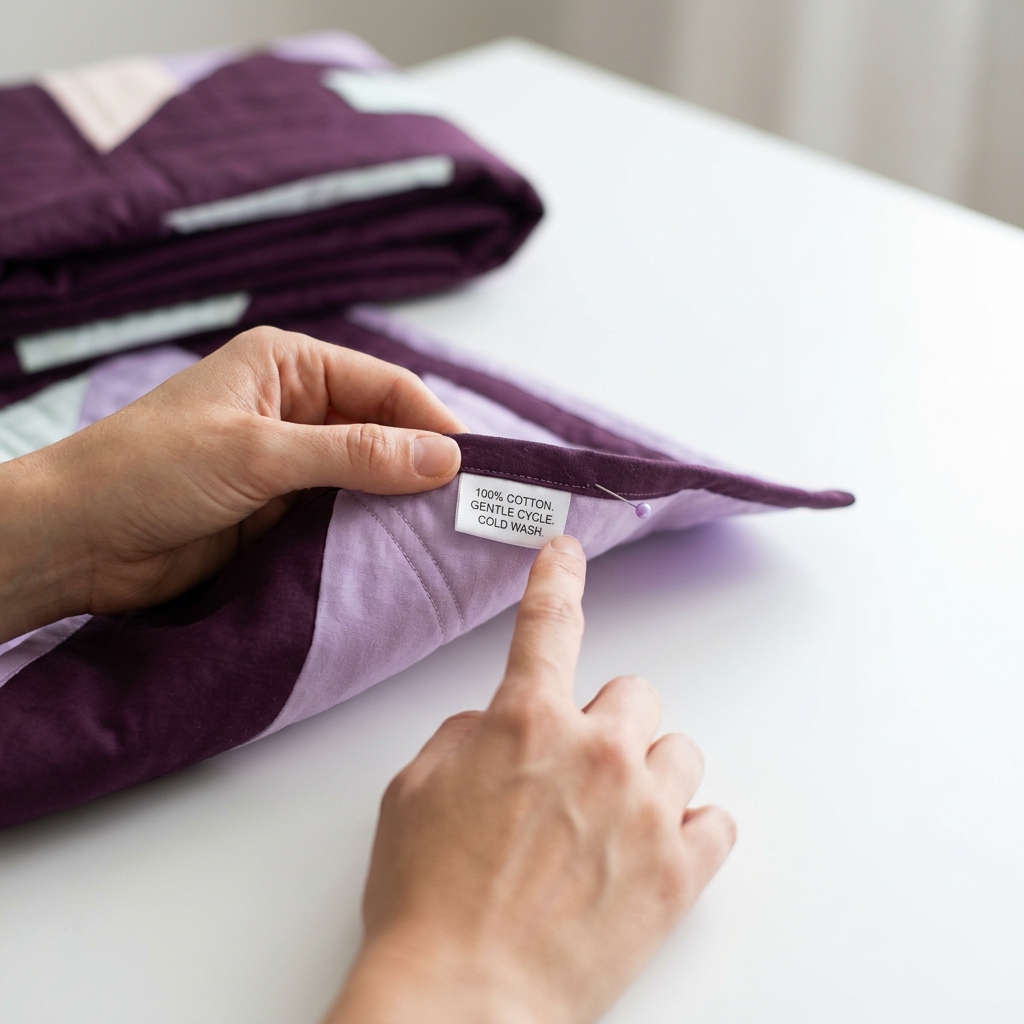
- Read the care label and check that your washer is large enough for the quilt to move freely.
- Look for loose seams, weak spots or fragile trims that won’t tolerate agitation.
- Test colorfastness in an inconspicuous spot with plain water and, if you plan to use detergent, with a mild solution; blot with white cloth. If dye transfers, avoid wet cleaning or seek a conservator (https://extensionpubs.unl.edu/publication/g1821/2007/html/view; https://www.accuquilt.com/blog/how-to-care-for-your-quilt?srsltid=AYCX9vItZi4PflOMb9yBRFcuLtxiz6CVVNLZ1p3jIgsonGfd1wDguhrh).
When machine washing is reasonable
Modern or factory-made quilts that are colorfast and structurally sound can usually be washed alone in a front-loader on a delicate cycle with cool water. Pause to redistribute the load if it becomes unbalanced (https://www.snooze.com.au/blogs/inspiration/how-to-wash-a-quilt?srsltid=AYCX9vLIJLfkdSZG8NHadEernZ95VSTUngi7k8_9kPGGXnaKhF9t3IS-; https://soakwash.com/pages/quilt-washing?srsltid=AYCX9vIUhrtSE4ubsr1LR321tJboK7tlLL3cXwi8L0-ReuxHJJASM5ox).
When to hand-wash or avoid wet cleaning
Hand-wash in a clean tub for vintage, delicate, heavily embellished or repaired quilts, supporting the textile at all times. For some fragile or historically valuable quilts, vacuuming on low suction may be the only safe home method; consult a textile conservator before wet cleaning (https://extensionpubs.unl.edu/publication/g1821/2007/html/view; https://www.accuquilt.com/blog/how-to-care-for-your-quilt?srsltid=AYCX9vItZi4PflOMb9yBRFcuLtxiz6CVVNLZ1p3jIgsonGfd1wDguhrh).
Machine-washing a quilt: step by step
Settings and loading
- Washer: Prefer a front-loader on gentle/delicate.
- Water: Cool or cold unless the label specifies otherwise.
- Detergent: Small amount of a mild, fragrance-free detergent.
- Load: Wash the quilt by itself so it can move and clean evenly; pause and reposition if the drum goes off-balance (https://www.snooze.com.au/blogs/inspiration/how-to-wash-a-quilt?srsltid=AYCX9vLIJLfkdSZG8NHadEernZ95VSTUngi7k8_9kPGGXnaKhF9t3IS-).
Reduce color transfer
If you’re unsure about dye stability, add dye-catcher sheets in the wash to help trap loose dye (https://www.accuquilt.com/blog/how-to-care-for-your-quilt?srsltid=AYCX9vItZi4PflOMb9yBRFcuLtxiz6CVVNLZ1p3jIgsonGfd1wDguhrh; https://soakwash.com/pages/quilt-washing?srsltid=AYCX9vIUhrtSE4ubsr1LR321tJboK7tlLL3cXwi8L0-ReuxHJJASM5ox).
Hand-washing delicate or vintage quilts
Prepare the bath
- Clean the tub or a large basin. Fill with cool to room-temperature water.
- Use a small amount of mild liquid detergent. Avoid scrubbing; gently press water through the layers with your hands (https://extensionpubs.unl.edu/publication/g1821/2007/html/view; https://www.accuquilt.com/blog/how-to-care-for-your-quilt?srsltid=AYCX9vItZi4PflOMb9yBRFcuLtxiz6CVVNLZ1p3jIgsonGfd1wDguhrh).
Rinse and remove water
- Drain and refill with clean water, repeating until rinse water runs clear; several long rinses are better than agitation (https://extensionpubs.unl.edu/publication/g1821/2007/html/view).
- Never wring or twist the quilt. Support it fully, lift as a unit, and roll in clean towels or a sheet to press out water. If your machine has a very gentle spin, you may spin briefly to remove excess water while the quilt is well-supported (https://soakwash.com/pages/quilt-washing?srsltid=AYCX9vIUhrtSE4ubsr1LR321tJboK7tlLL3cXwi8L0-ReuxHJJASM5ox; https://www.accuquilt.com/blog/how-to-care-for-your-quilt?srsltid=AYCX9vItZi4PflOMb9yBRFcuLtxiz6CVVNLZ1p3jIgsonGfd1wDguhrh; https://extensionpubs.unl.edu/publication/g1821/2007/html/view).
Support a heavy wet quilt safely
Drying without damage
- Best for preservation: Dry flat on clean towels or a rack, away from direct sunlight; use a fan for air movement. Avoid hanging by one edge or over a clothesline, which can strain stitches and distort shape (https://extensionpubs.unl.edu/publication/g1821/2007/html/view).
- For sturdy, modern cotton quilts: If the label permits, tumble on low or no heat until just damp, then finish air-drying flat. Line drying is common for cotton, but keep in mind sun can fade colors over time (https://www.accuquilt.com/blog/how-to-care-for-your-quilt?srsltid=AYCX9vItZi4PflOMb9yBRFcuLtxiz6CVVNLZ1p3jIgsonGfd1wDguhrh; https://soakwash.com/pages/quilt-washing?srsltid=AYCX9vIUhrtSE4ubsr1LR321tJboK7tlLL3cXwi8L0-ReuxHJJASM5ox; https://extensionpubs.unl.edu/publication/g1821/2007/html/view).
- Hygiene note: Some bedding guides suggest sun can help with freshness, but prolonged direct sun also fades textiles. Balance hygiene with preservation priorities (https://www.snooze.com.au/blogs/inspiration/how-to-wash-a-quilt?srsltid=AYCX9vLIJLfkdSZG8NHadEernZ95VSTUngi7k8_9kPGGXnaKhF9t3IS-; https://extensionpubs.unl.edu/publication/g1821/2007/html/view).
Store and care between washes
- Store clean, fully dry quilts in a cool, dry place away from sunlight; avoid attics and basements. Refold periodically to prevent permanent creases (https://soakwash.com/pages/quilt-washing?srsltid=AYCX9vIUhrtSE4ubsr1LR321tJboK7tlLL3cXwi8L0-ReuxHJJASM5ox; https://www.accuquilt.com/blog/how-to-care-for-your-quilt?srsltid=AYCX9vItZi4PflOMb9yBRFcuLtxiz6CVVNLZ1p3jIgsonGfd1wDguhrh).
- For fragile quilts, reduce wet cleanings. Air them in shade and vacuum on low suction through a screen to lift dust without pulling at fibers (https://extensionpubs.unl.edu/publication/g1821/2007/html/view; https://www.accuquilt.com/blog/how-to-care-for-your-quilt?srsltid=AYCX9vItZi4PflOMb9yBRFcuLtxiz6CVVNLZ1p3jIgsonGfd1wDguhrh).
Related reading
Common mistakes and when to stop
- Don’t overload the washer or use high-agitation cycles; quilts need room to move gently (https://www.snooze.com.au/blogs/inspiration/how-to-wash-a-quilt?srsltid=AYCX9vLIJLfkdSZG8NHadEernZ95VSTUngi7k8_9kPGGXnaKhF9t3IS-).
- Never wring, twist, or hang a wet quilt by one edge; always support its full weight (https://soakwash.com/pages/quilt-washing?srsltid=AYCX9vIUhrtSE4ubsr1LR321tJboK7tlLL3cXwi8L0-ReuxHJJASM5ox; https://extensionpubs.unl.edu/publication/g1821/2007/html/view).
- Stop and seek professional help if dyes bleed during testing, seams open, batting migrates, or the quilt is historically significant (https://extensionpubs.unl.edu/publication/g1821/2007/html/view; https://www.accuquilt.com/blog/how-to-care-for-your-quilt?srsltid=AYCX9vItZi4PflOMb9yBRFcuLtxiz6CVVNLZ1p3jIgsonGfd1wDguhrh).
Quick pre-wash checklist

FAQ
Can I use a top-loading washer?
Only if the quilt has ample room and the machine offers a gentle cycle. Pause to rebalance the load as needed so the quilt isn’t strained (https://www.snooze.com.au/blogs/inspiration/how-to-wash-a-quilt?srsltid=AYCX9vLIJLfkdSZG8NHadEernZ95VSTUngi7k8_9kPGGXnaKhF9t3IS-).
How often should I wash a utility quilt?
For everyday quilts, some bedding guides suggest washing every 3-6 months for freshness. For fragile or heirloom quilts, minimize wet cleaning and consider vacuuming/airing instead to reduce wear (https://www.snooze.com.au/blogs/inspiration/how-to-wash-a-quilt?srsltid=AYCX9vLIJLfkdSZG8NHadEernZ95VSTUngi7k8_9kPGGXnaKhF9t3IS-; https://extensionpubs.unl.edu/publication/g1821/2007/html/view).