
The journal
Why does my husband's pillowcase turn yellow?
What really causes yellow pillowcases and how to prevent it, plus smart storage steps so spare pillows don’t discolor while they sit.
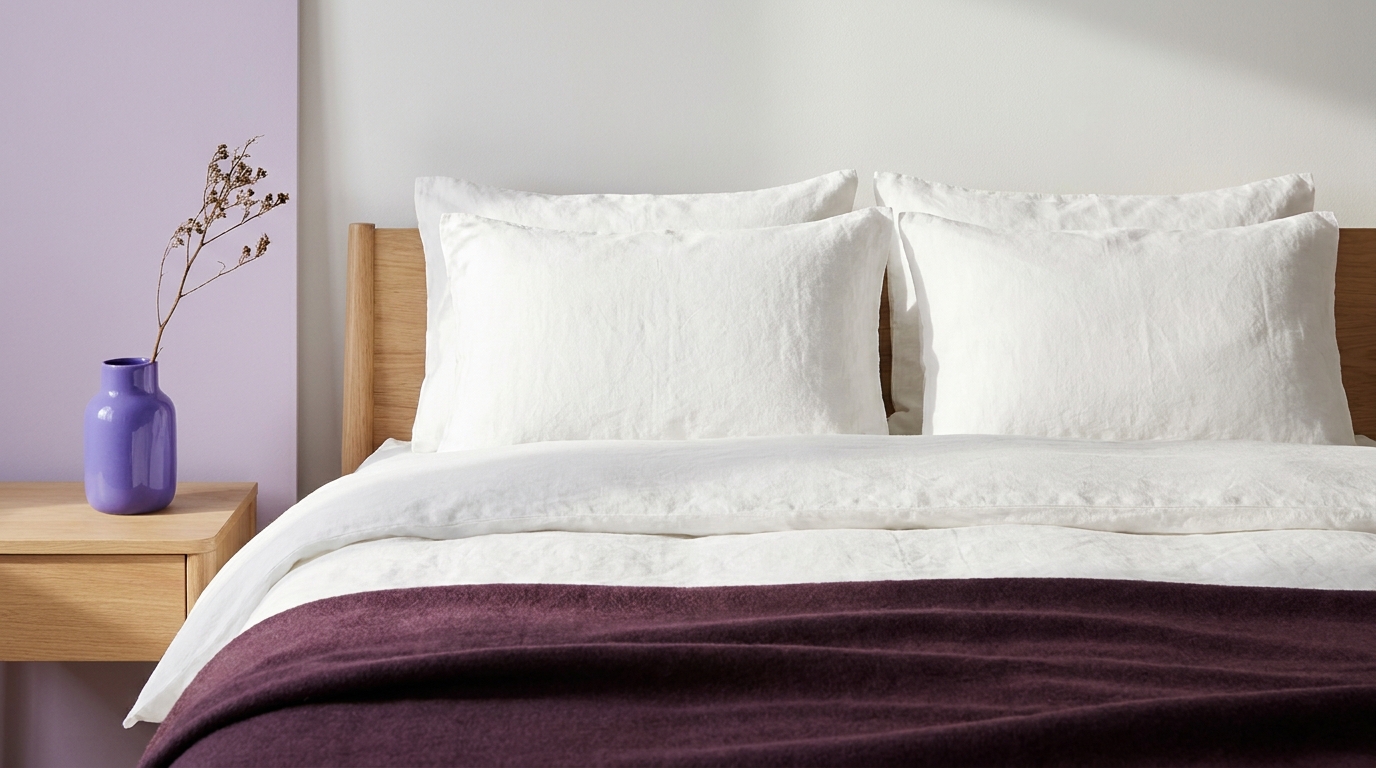
Most yellow pillowcases are caused by residue that transfers from skin and hair during sleep: sweat and natural body oils, saliva from drooling, and leftover hair or skincare products. Over time, these build up and discolor fabric. If bedding stays damp or the bedroom is humid, mildew or mold can also stain textiles; keeping indoor humidity around 30-50 percent helps prevent this (EPA: Care for Your Air).
What actually causes the yellowing?
- Sweat and body oils absorbed by the fabric slowly oxidize and yellow the fibers over time (Nellie’s: Why pillows turn yellow).
- Saliva (drool) contains compounds that can discolor pillowcases where you rest your face (Nellie’s).
- Hair and skincare residues transfer to the pillow and contribute to staining over time (Nellie’s).
- Dampness and humidity can allow mildew or mold growth, which stains fabric and creates musty odors. Aim to keep indoor humidity between 30 and 50 percent and dry damp items promptly (EPA: Care for Your Air), (EPA: Mold guide).
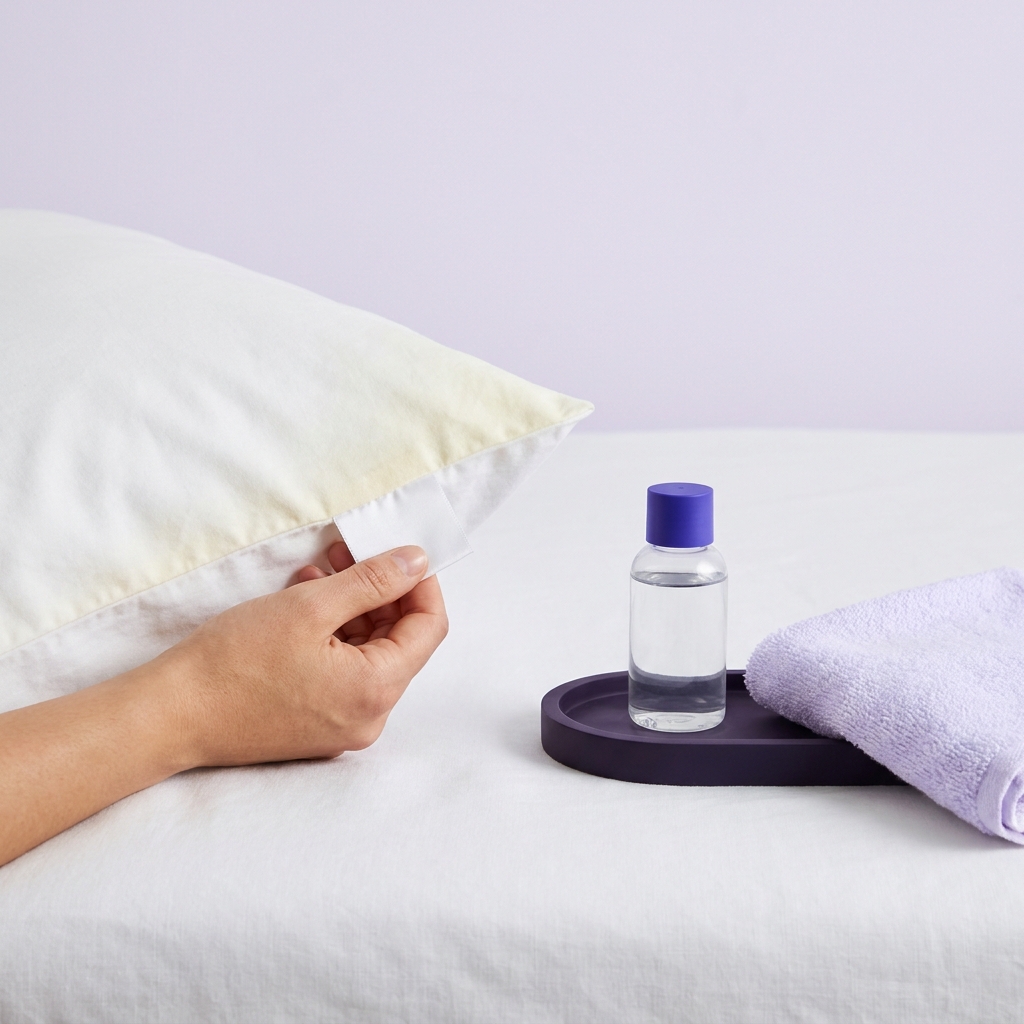
Practical fixes that work
Clean more effectively
- Launder pillowcases regularly and follow the fabric care label. Washing sooner reduces set-in discoloration. For routine frequency tips, see How often should you wash your pillowcase?
- If stains persist, pre-treat the yellowed areas before washing following the product’s label and the fabric’s care instructions.
- Ensure everything dries completely after washing. Lingering moisture encourages mildew; drying within 24-48 hours after items get wet helps prevent growth (EPA: Mold guide).
Reduce what gets on the fabric
- Remove makeup and sunscreen before bed; allow leave-on skincare and hair products to absorb fully before your head hits the pillow.
- Consider a washable pillow protector under the pillowcase so you can launder the barrier more often.
- Keep indoor humidity around 30-50 percent to discourage mildew-related discoloration (EPA: Care for Your Air).
If stains smell musty or keep coming back
- Look for moisture sources (e.g., damp rooms, slow-drying laundry, spills). The key to mold control is moisture control. Clean visible mold and fix the water problem; then dry items thoroughly (EPA: Mold guide).
- Increase ventilation when drying laundry indoors and use bathroom/kitchen exhaust fans to lower humidity (EPA: Care for Your Air).
How to store spare pillows so they don’t yellow while sitting
- Start clean and dry: Wash removable covers and make sure pillows and cases are completely dry before storage to avoid mildew staining (EPA: Mold guide).
- Choose a dry, ventilated spot: A cool, dry closet is ideal. Keep household humidity between 30% and 50% to discourage mold and musty odors (EPA: Care for Your Air).
- Use breathable storage: Cotton or canvas bags let residual moisture escape, helping to prevent stale smells. Avoid compressing damp items.
- Elevate and check: Store off the floor and away from exterior walls where condensation can occur. Inspect every few months; air out and launder cases if you notice odors or spots.
For more storage ideas, see How to store pillows when they’re not in use.

Put this into practice
Compare the pillowcase care label, products contacting the fabric and your wash routine before adding a treatment. Test only a compatible method and avoid combining cleaning chemicals in an attempt to remove an unexplained stain.
Prevent yellow pillowcases: quick checklist
Short FAQ
Does a yellow pillowcase mean mold? Not necessarily. Most yellowing is from sweat, oils, saliva and product residue (Nellie’s). A persistent musty odor or dampness suggests a moisture problem; control humidity (target 30-50%) and dry items promptly to prevent mold growth (EPA), (EPA).
How often should we change or wash cases? Follow the fabric care label and wash regularly; see our guide for practical frequency and fabric-specific tips: How often should you wash your pillowcase?
