

Good sleep, a balanced diet, and adequate exercise are the three most essential things required for the optimal functioning of the human body. An absence of one or more of these creates an imbalance in the body system, leading to tiredness and, in return, crankiness. However, before turning to drugs, you could consider natural aids to your night’s rest, including taking herbs for sleep.
Insomnia or sleeplessness, as it is otherwise called, is not just a physiological problem; it could be an established psychological disorder. The human body needs adequate sleep to rejuvenate, relax and recharge to function correctly. An average adult needs about eight hours of sleep daily. Insomnia could be in terms of initiating sleep or maintaining sleep. That is, it could be difficulty in falling asleep or difficulty in staying asleep.
Sleeplessness can be caused by stress, poor diet, and lack of rest. When the body does not produce enough serotonin, it could lead to insomnia. Individuals who have insomnia could use sleeping drugs to induce sleep and, in some cases, undergo psychotherapy to discover the underlying cause of their sleeplessness in a situation where a medical or biological cause cannot be attributed to their insomnia.
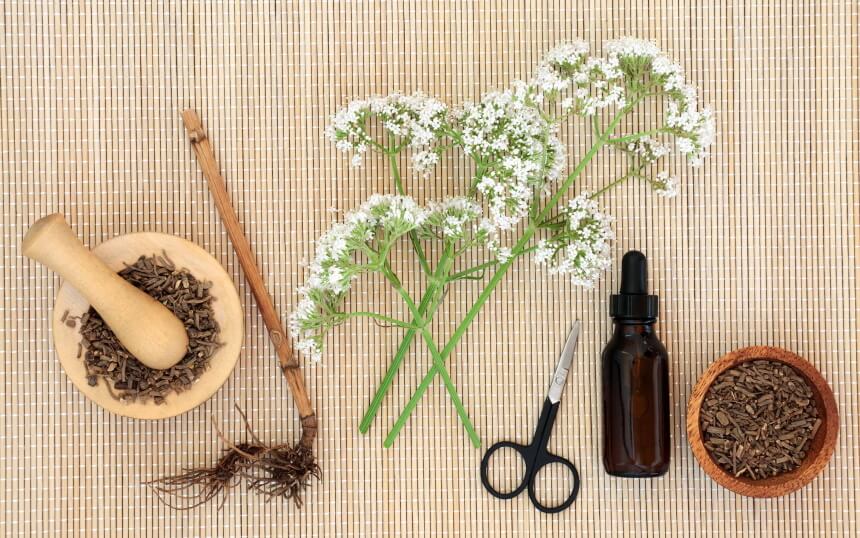 For thousands of years now, humans have used Valerian root to improve sleep. It’s one of the oldest “sleep drugs” Although, its use became more pronounced in the last couple of centuries. The use of this herb can be dated back to the ancient Roman and Greek eras. Botanically called Valeriana officinalis, this plant is found primarily in Europe and possesses mild sedative abilities.
Reports have it as one of the most analyzed herbs for sleep apnea.
Valerian roots contain Valerenic acid, which helps to induce better sleep by breaking down GABA. It, however, has a terrible taste and smell and could cause side effects like nausea in certain people.
Valerian root is unsafe for use by pregnant people and children.
Valerian root is available as teas, dietary supplements in tablets or capsules, and liquid herbal extracts. In the old times, the roots were crushed, brewed as tea, sieved, and served.
Valerian root powder is also made into tea bags that can be infused and consumed.
Valerian root capsules and tablets are famous these days and also work just like in their natural form.
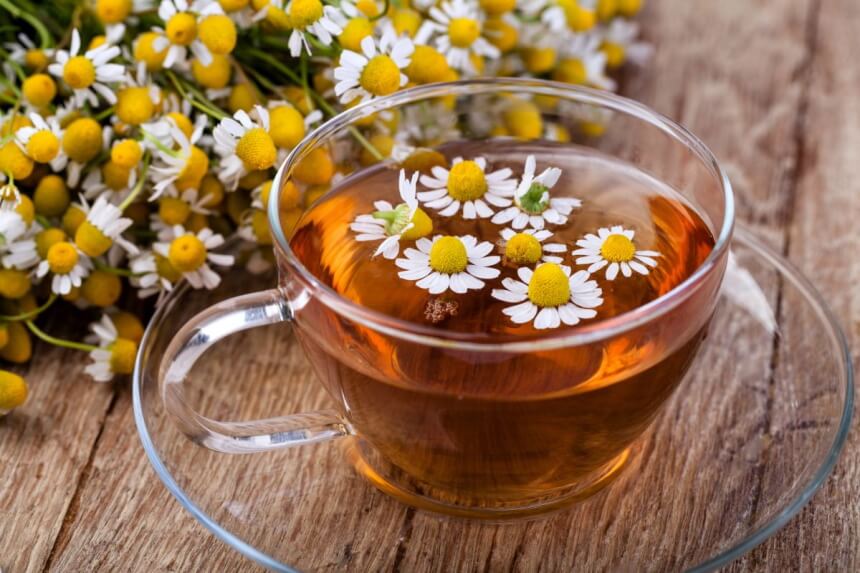 This is one of the few herbs for better sleep with no known side effects. Chamomile flower is said to contain apigenin, an antioxidant that is said to calm an anxious mind. Beyond its anti-insomniac properties, it is used to relieve digestive issues like constipation and indigestion. Not only does it induce sleep, but chamomile also helps to regulate irregular sleeping patterns.
Chamomile could cause side effects like Vomiting, eye irritation if it comes in contact with the eyes, and skin flare-ups.
One of the ways to take Chamomile is to enjoy a cup of Chamomile tea before bedtime. Infusing a chamomile tea bag in hot water is one of the easiest and most familiar ways to take Chamomile.
Another way to use chamomile herbs for sleep is to inhale the sweet-smelling aroma of Chamomile oil.
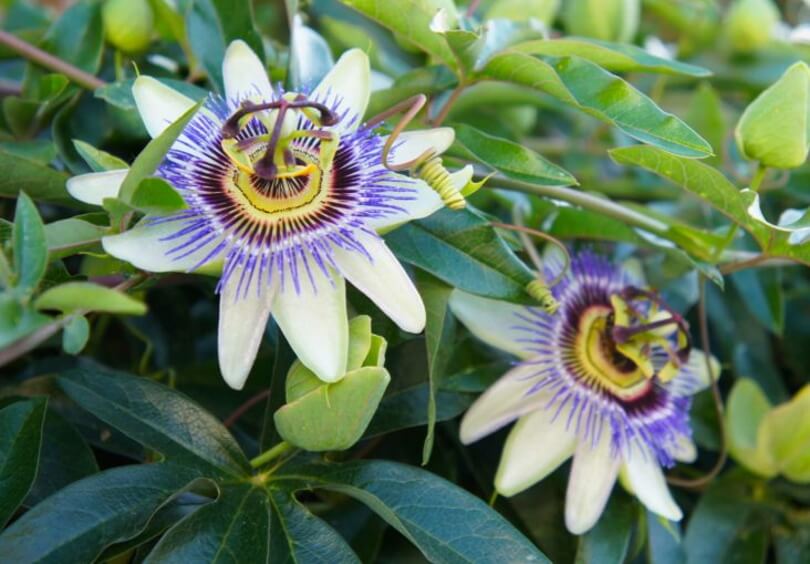 This budding flower of the passion fruit is what eventually grows into passion fruit, but we also use this herb for its ability to induce sleep. Certain studies have proven that passionflower yields the best results when used in combination with other herbs. It is found in North Africa, Europe, and Africa. Like the fruit, the flower tastes good. It helps to de-stress thanks to its nerve-relaxing flavonoids.
Passionflower is said to boost the quality of sleep and improve sleep experience by reducing brain activities
It is also reported to have pain-relief properties.
Side effects associated with passionflower use are drowsiness, dizziness, fast heart rate, and confusion.
Dried passion flowers can be used to make a cup of tea or the liquid extract consumed orally.
Dried passion flowers are sold as pre-packaged tea. Just add boiling water.
It is also available in tablets, capsules, and liquid extract forms.
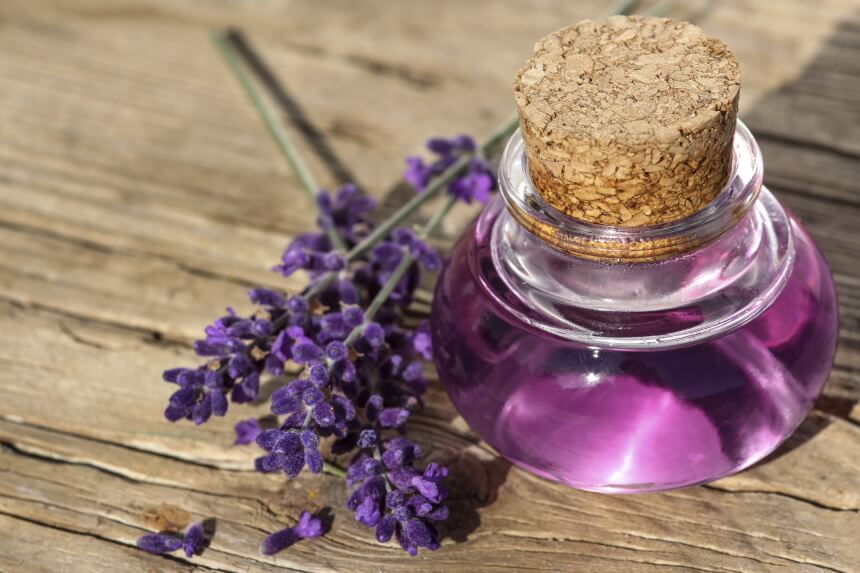 Think relaxation, think lavender. Used chiefly by females because of its sweet scent, it is one of the most popular herbs for producing sleep.
The violet color herb contains Silexan, which studies have proven is the active substance in lavender with the sleep-inducing properties in Lavender.
Lavender oil is one of the products of this plant that produces a soothing, calming, and relaxing effect on the body. It has antidepressant properties because it helps elevate the mood.
Lavender is used in making tea bags which are infused in hot water and taken as a tea. Alternatively, if an individual does not want to ingest it, Lavender oil which is a powerful aromatic oil can be inhaled or sprinkled on bed and bedding. It can also be used to give a massage. This usually results in better sleep and mood for its user.
Lavender oil can also be added to bathwater at bedtime. Because of its aromatic richness, it can also be used in making scented candles and diffusers. Having these candles or diffusers in the bedroom helps to improve sleep quality.
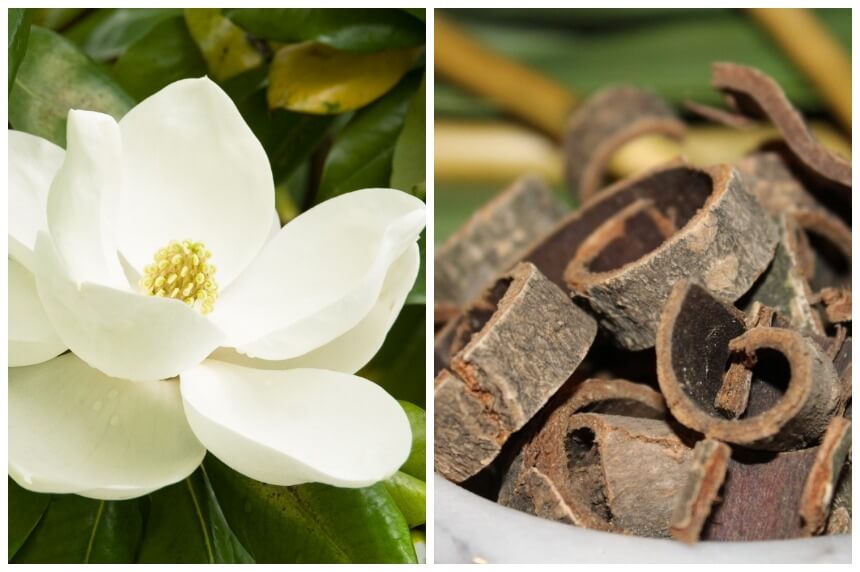 Another herb for better sleep is the Magnolia bark. Gotten from the Magnolia tree Native to China, the Himalayas, and the rest of East Asia, the bark of this tree has been used in traditional Chinese medicine for thousands of years. It possesses anti-inflammatory, antioxidant, and stress-reducing properties.
It contains two primary bioactive substances, honokiol, and magnolol.
Magnolia boosts the production of Gamma amino-butyric acid, GABA in the brain. GABA is the neurotransmitter that sends a message from the brain to the body that the body needs rest or sleep.
When GABA is not adequately produced, it leads to insomnia.
Magnolia also works by reducing the production of cortisol, a stress hormone, therefore enhancing good sleep.
Like every other herb, Magnolia herb comes with side effects that can vary from person to person.
Side effects that may be possibly encountered from magnolia include tremor, dizziness, and heartburn, among others.
Usually taken as a tea, Magnolia bark is used in making capsules and supplements. Magnolia bark is also available in the form of tinctures.
 Commonly known as Indian ginseng or Indian Winter Cherry, ashwagandha is another natural herb for sleep found in India, China through the Middle East, and some parts of Africa. Its botanical nomenclature is Withania somnifera, and it performs as an adaptogen that helps the body cope with stress and anxiety.
It is made famous by the Ayurvedic system of medicine practiced in ancient India.
If sleeplessness is caused by hormonal imbalance, ashwagandha helps to restore sound sleep by balancing hormones in the body whose deficiencies could be responsible for insomnia in the body.
It performs a multifunctional role as a diuretic, aphrodisiac, stimulant, and tonic. It’s said to slow down the progression of neurodegenerative diseases like Parkinson’s, Alzheimer and Huntington’s.
Ashwagandha has a bitter earthy flavor and, therefore, could be used with milk or honey in its powdered raw form. Ashwagandha roots can also be boiled and used to brew Ashwagandha tea.
Since it has also been made into pills, it can be taken as prescribed by a doctor, which is the best way to use ashwagandha. This is because the medication is medically formulated and dosage regulated, unlike taking it in its raw form.
Native to Southern America, do not be deceived by the name of this herb. Even though it is called lemon Balm because it tastes and smells like Lemon from the Citrus family, it belongs to the Mint family. It has been traditionally used to promote sleep and performs other functions like an immune and digestive support.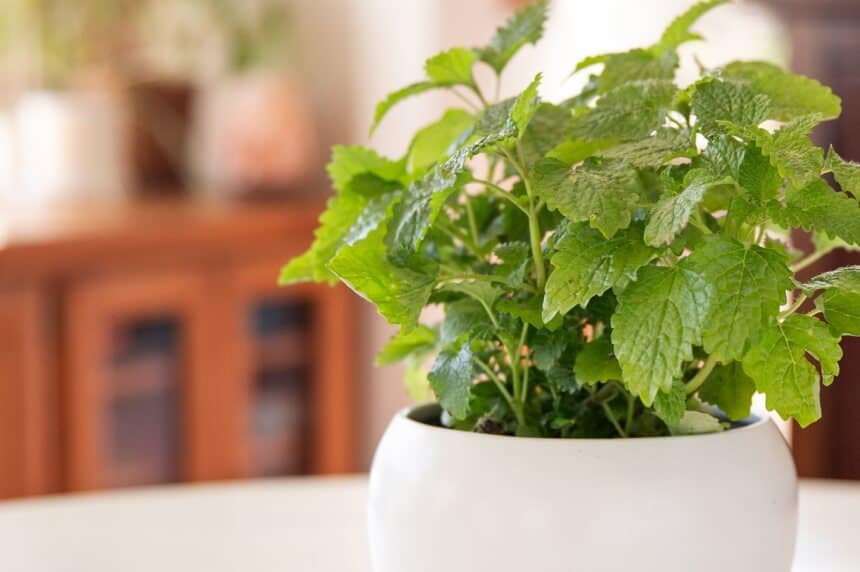
This can be grown in the backyard and used for culinary purposes. A few leaves can be chewed, which works wonders because it’s in its most natural and pure form. The leaves can also be brewed as a tea.
Usually, most natural herbs for sleep and relaxation are consumed as tea, used as essential oil on the skin or in bathwater, and inhalation through candles and diffusers.
Though these herbs are natural, a medical practitioner should be consulted in any allergic reactions or side effects.
Oils from these herbs are mixed with other oils like coconut or olive oil and can be applied topically to the skin in strategic locations such as the forehead, wrists, and neck.
These herbs have been taking on the forms of capsules, tablets, supplements, and essential oils.
Any of these herbs might still not provide an individual with the much-needed sleep they require. To ensure the effectiveness of natural herbs for rest, it is recommended to;
While natural herbs for sleep may work, combining these herbs for sleep with eco-friendly linen sheets, suitable sleep environments such as a standard bed, and good ventilation might increase the odds of blissful and refreshing sleep.
These herbs are best used at night-time. Taking these herbs during the daytime could reduce productivity and sleepiness at the wheels or behind the desks.
While these herbs have been proven to affect both experts and individuals, it is not advised to combine these natural herbs unless stated that it’s safe to do so, like in Passionflower.
Although these herbs can be consumed or used in their natural forms, if you are just getting started using herbs for sleep and relaxation, it is advised to go for capsules, tablets, tea bags, and oils. This is because dosage in those forms is regulated, unlike consuming these herbs in their most natural state.
Other herbs that could improve Sleep quality include cinnamon, California poppy, St John’s wort, and Mimosa.