
The journal
Can I wash a mattress protector in the washing machine? Practical washing and drying guidance
How to wash a mattress protector safely: check the care label, use a gentle cycle, mild detergent and low heat or air-dry to protect waterproof membranes.

Short answer and when machine washing is appropriate
Short verdict: most mattress protectors can be machine washed if you follow the product care label and use gentle settings. In many cases that includes waterproof TPU-backed, quilted, and foam-backed protectors, provided you use a mild detergent and a delicate cycle and avoid harsh additives and high heat, which can harm membranes and seams Protect-A-Bed care page. See Maytag's step-by-step guide for washing a protector: Maytag guide.
Can I machine wash my mattress protector without damaging it?
Most protectors can be machine washed on a gentle cycle with mild detergent, but always check the care label and follow manufacturer dryer recommendations because waterproof membranes are heat-sensitive.
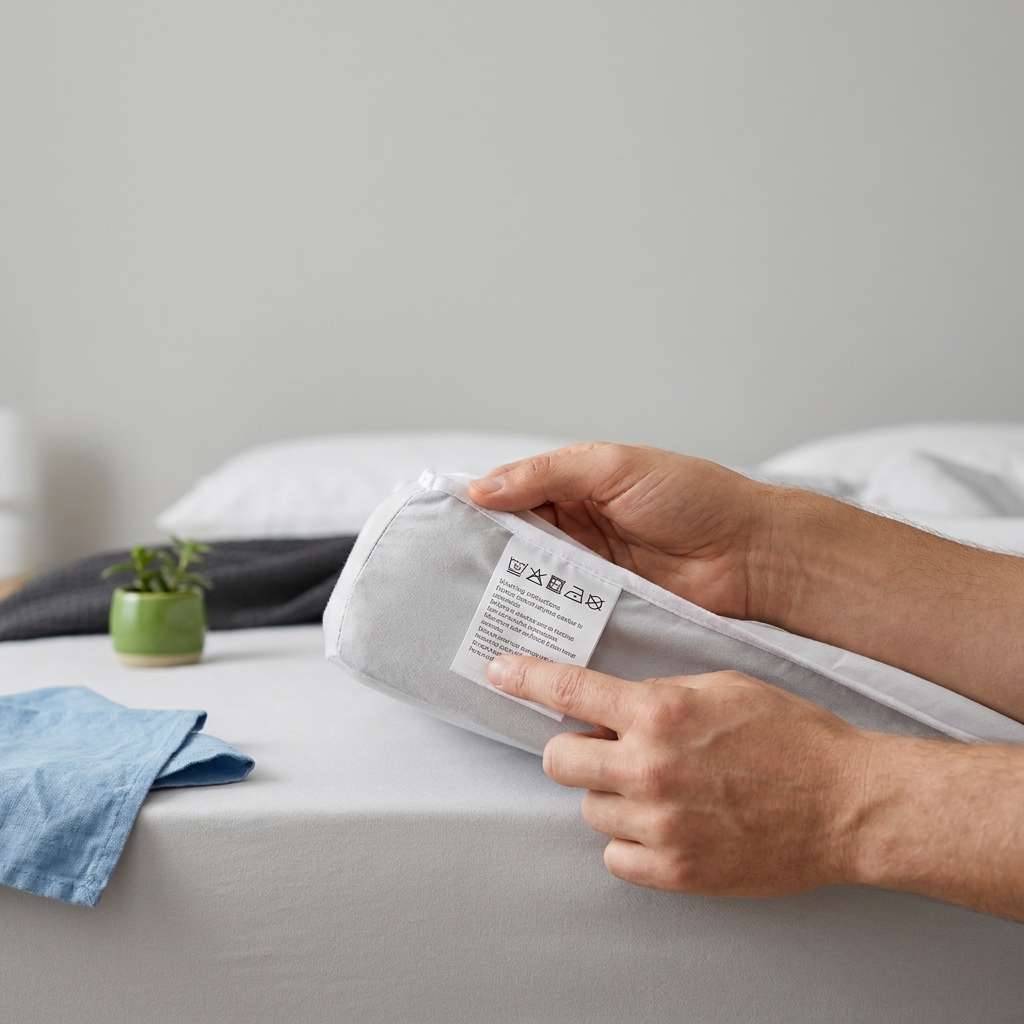
Which protectors are usually machine washable, and when should you avoid the washer? Fabric care symbols on the product label are the authoritative guide to safe water temperature, cycle and drying method, so check those symbols before you start American Cleaning Institute fabric care symbols.
If the label allows a machine wash, choose a gentle or delicate cycle with a mild detergent and limit heat in the dryer. High heat can damage waterproof TPU-style membranes and cause delamination or warping, so manufacturers commonly advise tumble dry low or air-dry instead SureGuard care instructions.
How to prepare a mattress protector for machine washing

Step 1, inspect the label: read the care label and translate fabric care icons into a washer temperature, permitted cycle and dryer guidance before you touch the washer. That step prevents using settings that the protector cannot tolerate American Cleaning Institute fabric care symbols. For related posts on care and maintenance, see our posts: post index.
Step 2, clear and close: remove loose debris, vacuum lightly if needed, close any zippers and fasteners, and follow the label instructions about turning the protector inside out. These small steps reduce abrasion and protect seams.
Step 3, manage bulky protectors: quilted or foam-backed protectors can become much heavier when wet and stress the washer drum and seams, so plan for a gentle cycle and avoid overloading the machine. If your washer is small or the protector is bulky, wash it alone or with one light item to balance the load SureGuard care instructions.
Step 4, pretreat stains: treat localized stains promptly with a mild stain remover or a gentle detergent solution, following label instructions and avoiding chlorine bleach unless the label explicitly allows it, especially on waterproof-backed protectors Protect-A-Bed care page.
Choosing machine settings and detergent that are safe
Washer cycle and detergent choice matter. Use a mild, low-residue detergent on a delicate or gentle cycle to protect quilting, seams and waterproof membranes. Gentle agitation reduces stress on batting and reduces the chance of fill shifting or seam damage Protect-A-Bed care page. For an alternate cleaning perspective, see Avocado Green's guidance on cleaning waterproof protectors: Avocado Green mattress care.
Water temperature should match the label. For routine cleaning of most protectors, warm or cool water on a gentle cycle is usually safest to preserve fabric and backing. Avoid hot water unless the product label specifically allows it, since heat can affect waterproof membranes and adhesives SureGuard care instructions.
What to avoid: do not use chlorine bleach or fabric softeners on waterproof-backed protectors unless the label explicitly permits them, because these chemicals can degrade membranes or finishes. Ironing is also not recommended for protectors with TPU or similar backings because the heat can cause warping or delamination Protect-A-Bed care page.
Drying and post-wash care to avoid damage
Tumble dry low, air-dry, or line-dry depending on the label. Many manufacturers that use TPU-style membranes recommend tumble drying on low heat or air-drying to avoid delamination and warping of the waterproof layer Protect-A-Bed care page.
For heavier quilted or foam-backed protectors, reshape the protector while damp and support seams to keep batting or fill distributed evenly. Avoid high dryer temperatures and aggressive tumbling to protect stitching and internal fill SureGuard care instructions.
Test a small area for heat sensitivity before full drying
Check dryness and integrity: press the protector in several places to ensure batting and fill are dry, smell the fabric for lingering odors, and inspect seams and membrane edges for any bubbling, puckering or separation. Do not return the protector to the mattress until it is fully dry and undamaged SureGuard care instructions.
If a protector shows signs of delamination, heavy pucker or persistent odor after washing, stop using it and consult the manufacturer's guidance; repeated aggressive laundering can worsen damage and reduce the protector's effectiveness.
Special situations: pests, stains and stubborn cases
Handling confirmed lice or bed bug exposure requires balancing hygiene guidance with product limits. Public health guidance from the CDC and EPA advises washing contaminated linens at 130 F or higher and drying on hot to kill pests, but such temperatures can exceed many protectors' recommended limits, so plan accordingly EPA bed bug control guidance.
When high heat would damage the protector, practical options include washing removable bedding and linens at the required temperatures, using a full mattress encasement rated for pest control, or seeking professional pest-control assistance. Encasements designed for pest protection allow you to isolate the mattress without subjecting the protector to damaging heat CDC head lice guidance.
Stubborn stains: repeat a gentle pretreatment and wash promptly rather than increasing agitation or heat. For oil or protein stains, use an appropriate mild enzyme cleaner according to product directions. If repeated, careful attempts fail and the protector shows structural or backing damage, replacement is often preferable to aggressive re-washing that may cause further harm.
Practical checklist, common mistakes and final recommendations
Quick checklist before you wash: check the care label and fabric care symbols, remove loose debris, close zippers, pretreat stains, choose mild detergent and a gentle cycle, and plan for tumble dry low or air-dry unless the label allows higher heat American Cleaning Institute fabric care symbols. For an additional how-to perspective, see this guide: Texas Mattress Makers. Also see our site guides: site pages.
Common mistakes to avoid include using chlorine bleach or fabric softener on waterproof-backed protectors, running high-heat dryer cycles on TPU-style membranes, washing bulky protectors on aggressive cycles, and skipping the care label check. These missteps can cause delamination, fill clumping or seam failure Protect-A-Bed care page.
Final recommendation: follow the protector's care label when it conflicts with general guidance. Manufacturer instructions are tailored to the materials and construction of the product and will best preserve the protector's performance and warranty. When hygiene requirements, such as pest-control laundering, conflict with the label, prioritize safety for people and property by using encasements, washing removable items hot, or consulting professionals SureGuard care instructions. See our editorial index for more pieces on sleep and bedding: editorial index.
Keep a habit: inspect the protector regularly for wear, spot-treat stains quickly, and store protectors dry and flat if you remove them for long periods to avoid permanent creasing or microbial growth.
Frequently asked questions
Can I use hot water to sanitize a mattress protector?
Only if the protector's care label allows hot water; public health guidance recommends 130 F for pests, but high heat can damage waterproof backings, so follow manufacturer instructions or use encasements and hot-wash removable bedding.
Is it safe to tumble dry a waterproof mattress protector?
Many manufacturers recommend tumble drying on low or air-drying; avoid high dryer temperatures and ironing because heat can delaminate TPU-style membranes.
What should I do if a protector smells after washing?
Ensure it is fully dry, air it outdoors if possible, repeat a mild wash and inspect for trapped moisture or fill damage; replace if odors persist or material shows damage.
Machine washing a mattress protector is usually safe when you match the washer and dryer settings to the product care label and use mild detergent on a gentle cycle. When hygiene needs or pests require hot laundering that exceeds a protector's limits, use alternatives such as pest-rated encasements, hot-washing removable bedding, or professional services. Prioritize the protector's care label to maintain its function and lifespan.
References
- https://www.cleaninginstitute.org/cleaning-tips/clothes-and-fabrics/fabric-care-symbols-explained
- https://www.suregardmattress.com/pages/care-instructions
- https://www.cdc.gov/parasites/lice/head/treatment.html
- https://www.epa.gov/bedbugs/do-it-yourself-bed-bug-control
- https://www.maytag.com/blog/washers-and-dryers/how-to-wash-a-mattress-protector.html
- https://help.avocadogreenmattress.com/en/articles/4650003-how-should-i-clean-my-waterproof-mattress-protector
- https://www.texasmattressmakers.com/blog/how-to-wash-a-mattress-protector/
- https://www.talkaboutsleep.com/articles/
Product options for this topic
As an Amazon Associate I earn from qualifying purchases. These are researched options, not hands-on test results. Check the exact size or model, current price and availability on Amazon.
| Product option | Fit and limits to check | Retailer |
|---|---|---|
| SafeRest Waterproof Mattress Protector | A waterproof protector option. Match the mattress size and depth, and follow the care label for this exact model. This is not a recommendation to replace a protector that still works. | View on Amazon |
| SureGuard Waterproof Mattress Protector | Another waterproof protector option. Confirm the bed size, fitted depth and washing instructions before choosing. | View on Amazon |