
The journal
What is the best tog for an all-year-round duvet? Practical guide for temperate homes
Practical guidance on how to choose duvet tog for year-round comfort, including recommended mid-range togs and when to use an all-seasons set.
Quick answer and essential context
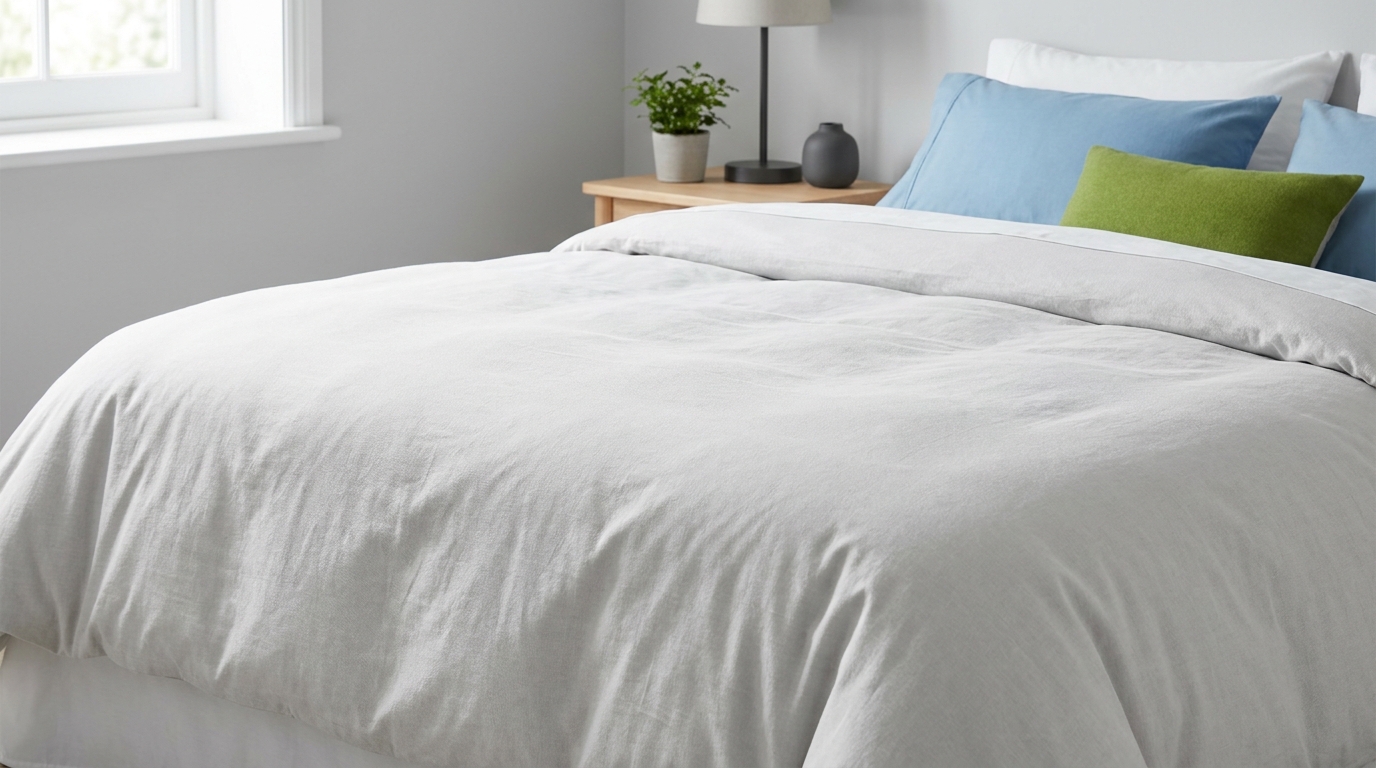
Short answer: for many people in temperate, centrally heated homes that sit around 18 to 20°C, a mid-range duvet of about 9 to 10.5 tog will be comfortable for most of the year, while an all-seasons set (for example a 4.5 tog combined with a 9 tog) gives flexible layering for wider conditions.
Tog is a measure of thermal resistance used for bedding; higher tog numbers indicate greater insulation because tog quantifies how well a fabric resists heat flow, based on standard textile test methods.
Definitions matter when you compare products, so if you want the measurement background consult the technical note on the tog unit, which explains that 1 tog equals 0.1 square metres kelvin per watt and how the value is determined by standardised test methods such as the sweating guarded hotplate approach Wikipedia on tog (unit). For industry guidance on choosing togs see Naturalmat's duvet tog guide.
Bedroom temperature is a key driver of how warm you will feel under a duvet. Public guidance for sleep temperatures points to a cooler bedroom supporting better sleep, with recommended ranges often around 16 to 18°C, roughly 60 to 65°F.
For a concise comparison of sleep temperature guidance, see the Sleep Foundation overview on best sleep temperatures Sleep Foundation guidance on sleep temperature.
What single tog or all-seasons combination is best for year-round comfort in a temperate home?
For most temperate, centrally heated homes that sit around 18 to 20°C, a single 9 to 10.5 tog duvet will suit many sleepers; if temperatures vary or you need flexibility, an all-seasons pair such as 4.5 plus 9 tog provides adaptable layering.
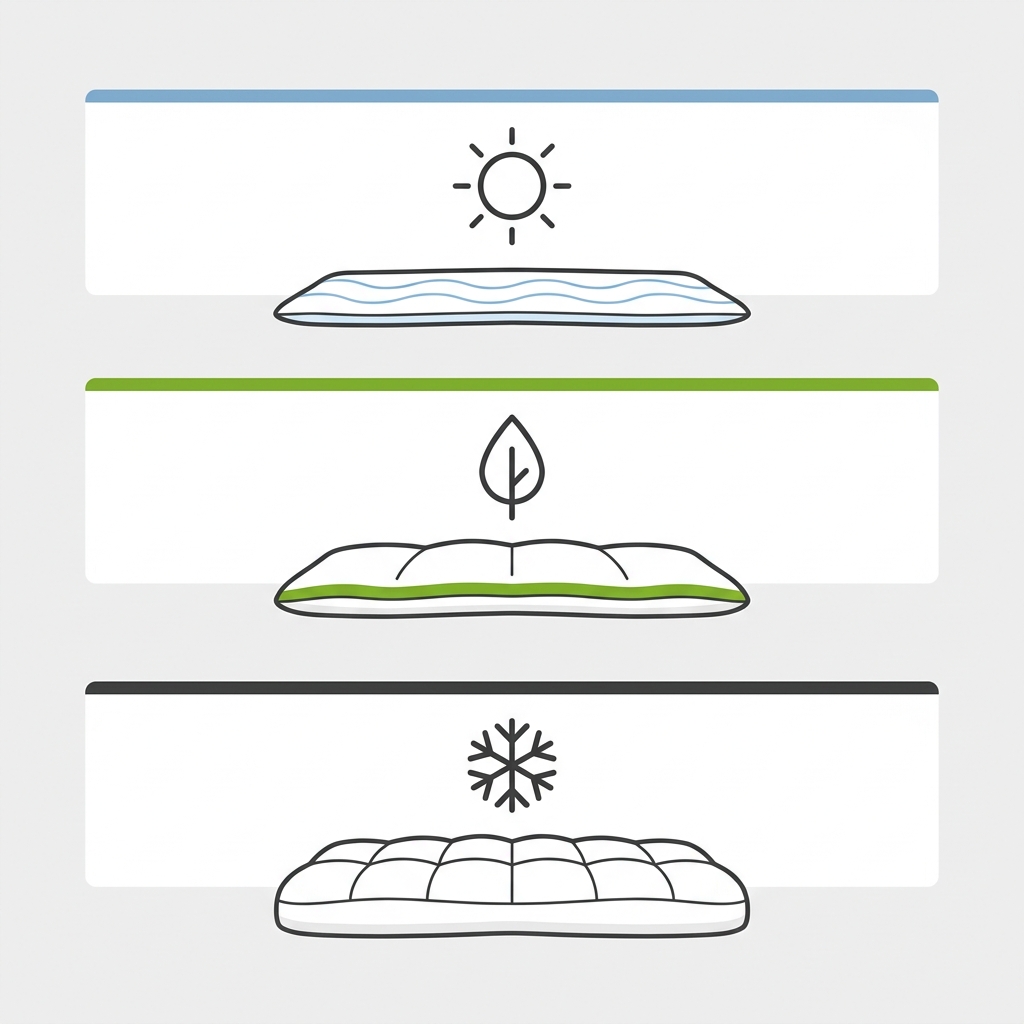
Consumer-facing duvet guidance groups seasonal togs roughly like this: summer 1 to 4.5 tog, spring and autumn about 7.5 to 10.5 tog, and winter around 12 to 15 tog, which helps you map the short answer to seasonal options. See a duvet tog chart from a retailer such as Simba.
For a practical takeaway: if your bedroom sits near 18 to 20°C and you want a single duvet year-round, start by trying a 9 to 10.5 tog; if your home varies or you share different temperature preferences, choose an all-seasons pair such as 4.5 plus 9 tog to layer as needed. For general buying comparisons, see a consumer buying guide on duvet togs. You can also browse our related posts on Talk About Sleep.
What tog means in plain language
The simplest way to think of tog is as a rating of how well a duvet resists heat loss: a higher number keeps more body heat inside the bed. That rating is independent of how thick or heavy a duvet looks, which is why examining fill and construction matters as well.
The unit itself and the testing behind it are stable and widely used, so when sellers list a tog they are reporting a standard thermal resistance figure rather than a subjective description.

Why bedroom temperature matters for tog choice
Because the tog number describes insulation, you choose it relative to the temperature you keep the room and to your own overnight thermal comfort: cooler rooms need higher tog and warmer rooms lower tog. The NHS recommends aiming for a cool bedroom to help sleep, which is why temperature is the primary starting point for any tog choice NHS guidance on sleep and bedroom temperature.
A step-by-step framework to choose duvet tog for your home and body
Step 1: measure or estimate your usual bedroom temperature, how to choose duvet tog
Begin by checking your bedroom thermostat at night or by using a simple room thermometer at the height of the bed; if you do not have either, note how the room feels an hour after lights-out compared with other rooms in the house.
If your usual overnight temperature is in the 16 to 18°C band, aim for mid to higher togs. If it is nearer 18 to 20°C a mid-range tog around 9 to 10.5 is typically appropriate. Guidance on ideal sleep temperatures helps make this step practical Sleep Foundation guidance on sleep temperature, or see our pages on Talk About Sleep.
Step 2: assess personal factors that change perceived warmth
List personal modifiers: are you a hot sleeper who heats up easily, or do you often feel cold through the night? Age, pregnancy, medication and some health conditions change thermal regulation and therefore the tog you will prefer.
If you are a hot sleeper, choose a lower tog or a breathable fill; if you feel cold easily, lean toward the higher end of the mid-range or add a layering option such as a separate blanket or the all-seasons set.
Step 3: consider home insulation and heating patterns
Homes with poor insulation, single glazing, or short heating cycles can feel colder in bed even when the downstairs thermostat is similar, and these situations push you toward a warmer tog or layering strategy.
If your home heats up quickly for short periods you may prefer an all-seasons set so you can adapt nightly rather than relying on one single tog.
Step 4: pick a tog or combination and check construction and fill
Translate the above into a practical pick: stable heated homes near 18 to 20°C, try a single 9 to 10.5 tog. Variable homes, shared beds with mixed preferences, or those who want a flexible option should consider an all-seasons set, for example 4.5 plus 9 tog, which can be combined to make a warmer duvet when needed.
When you have a target tog, run a quick check of the product descriptions to confirm fill type, construction and care instructions before buying.
Short decision checklist
Copy this simple checklist for in-store or online use: measure room temperature at night, note whether you are a hot or cold sleeper, consider building insulation and heating schedule, decide single mid-range tog or all-seasons pairing, check fill and care label.
If you want a single all-year duvet: recommended tog ranges and exceptions
Many retailers and consumer guides group togs with roughly consistent ranges: summer 1 to 4.5 tog, spring and autumn about 7.5 to 10.5 tog, and winter 12 to 15 tog, which gives a sensible map for choosing a single year-round duvet or deciding to layer John Lewis buying guide on duvets. Piglet in Bed also summarises tog choices here.
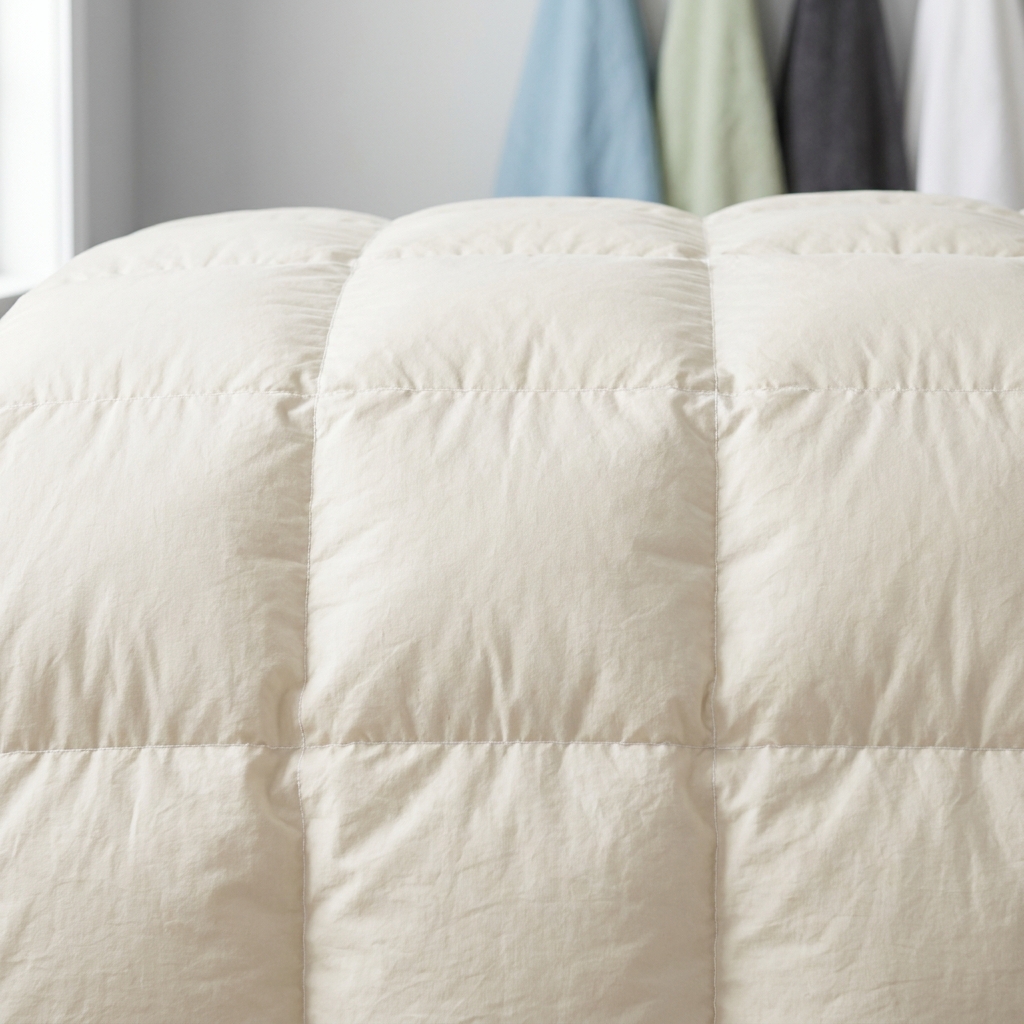
For a single all-year duvet in temperate, centrally heated homes that usually sit near 18 to 20°C, a practical recommendation is 9 to 10.5 tog; this range balances warmth and breathability for many sleepers and reduces the need to swap duvets across seasons.
Exceptions exist: very hot sleepers or households that keep bedrooms above 20°C often prefer 1 to 4.5 tog in summer months, and very cold or poorly insulated houses can need 12 to 15 tog or a layered all-seasons approach to stay warm overnight.
All-seasons sets remain a good compromise where daily temperatures change or household members prefer different warmth levels because you can combine two layers into a warmer duvet on cold nights and separate them when it is milder.
Typical mid-range togs and when they work best
Use 9 tog when you want a lighter mid-winter to mid-autumn option in a generally warm home; 10.5 tog sits toward a slightly warmer single duvet for those who feel the cold or have intermittent heating. These mid-range options tend to suit many people in temperate climates.
Who should choose a lower or higher tog instead
Choose a lower tog if you consistently sleep hot, if your bedroom is kept above 20°C, or if you plan to pair a duvet with a blanket. Choose a higher tog or layering if your room is poorly insulated, if you live in a cold climate, or if you rarely run central heating at night.
When an all-seasons set is a better choice
An all-seasons set such as 4.5 plus 9 tog is useful when temperatures swing across seasons, for households with differing warmth needs, or for people who prefer adaptable bedding that can be changed without storing a large spare duvet.
How fill and construction change how warm a tog actually feels
The same tog number can feel different depending on the fill type and the duvet's construction because down and feather reaches loft and insulation with less fill weight, while some synthetic fills can feel heavier and may trap more heat at the same tog level.
Retail guides explain these practical differences so you should read fill-weight notes and construction details alongside the tog value when comparing products John Lewis buying guide on duvets. For broader retailer advice see Naturalmat and our editorial coverage on Talk About Sleep.
three quick questions to help choose between a single tog and an all seasons set
Construction choices matter: baffle box or sewn-through chambers affect loft and evenness of insulation, and this in turn influences how well the duvet traps air and regulates temperature night after night.
Breathability and moisture management also affect perceived warmth because trapped moisture raises skin temperature and can make a duvet feel warmer; choose fills and constructions that match your tendency to sweat or stay dry overnight.
Down and feather versus synthetic fills
Down and feather tend to achieve a given tog with less material bulk, so a 10.5 tog down duvet may feel lighter and loftier than a synthetic 10.5 tog; synthetics can be more affordable and easier to wash, but they may not match down for pack size to warmth ratio.
Construction details that affect loft and air movement
Baffle box constructions hold lofted fill evenly and reduce cold spots, sewn-through quilts are cheaper but can compress in areas and reduce effective insulation; these details change comfort even with the same labeled tog.
Moisture management and perceived warmth
Materials that wick and allow moisture to escape tend to keep sleepers feeling fresher, which matters for anyone who gets warm at night; breathability can be as important as the numeric tog for overnight comfort.
Care, hygiene and performance over time
Routine care preserves loft and hygienic performance: airing and lifting a duvet regularly helps restore loft and reduce long-term compression while following the care label limits damage from inappropriate washing.
For bedding hygiene, washing sheets and removable covers at 60 degrees Celsius is a standard recommendation to reduce house dust mite levels, which supports allergy management and general cleanliness Allergy UK house dust mite factsheet.
Many duvets cannot be washed frequently at high temperatures without risk to the filling, so check the care label; over-washing or repeated hot cycles can reduce loft and therefore thermal performance over time, and professional cleaning may be appropriate for some fills.
When storing duvets keep them dry and uncompressed to preserve loft; use breathable storage bags rather than sealed plastic where possible and swap seasonal bedding to reduce continuous compression during months of disuse.
Airing, lofting and storage tips
Aim to air and shake out your duvet weekly when weather permits to help maintain the internal structure and reduce surface moisture; this simple step supports consistent insulation and comfort.
Washing, dust mites and following care labels
Follow manufacturer care instructions closely: if a duvet's label permits 60 degrees washes that can reduce dust mite numbers, but if it advises against hot washing use alternative cleaning methods and maintain mattress and bedding hygiene.
When cleaning or replacing matters for performance
Replace duvets that have lost loft or show uneven compression because reduced loft decreases thermal resistance and the tog figure will no longer reflect actual performance; note that care can slow but not always prevent this natural wear.
Common mistakes, quick buying checklist and final recommendations
Common buying errors include assuming thickness equals warmth, choosing only by marketing labels such as lightweight without checking tog, and ignoring bedroom temperature and insulation when deciding.
Another common mistake is selecting a single tog without considering fill breathability and care requirements; this can lead to overheating or poor hygiene later on if the material cannot be cleaned as needed.
A concise buying checklist you can use in-store or online
Measure your room temperature at night, note if you are a hot or cold sleeper, check home insulation and heating pattern, decide between a single mid-range tog or an all-seasons set, verify fill type and construction, and read the care label before purchase.
Final quick recommendations by common home scenarios
If you sleep alone in a well insulated, centrally heated flat that sits roughly 18 to 20°C, start with a 9 to 10.5 tog single duvet. If you live in a cold poorly insulated house, choose layering or a 12 to 15 tog option. If you sleep hot, choose lower tog or breathable fills and consider an all-seasons set if temperatures fluctuate.
Pair your tog choice with maintaining a cool bedroom to support sleep quality; a colder room may need a warmer duvet, while a warm room calls for less insulation NHS guidance on sleep and bedroom temperature. For wider retailer comparisons see Piglet in Bed and general buying notes at John Lewis.
Frequently asked questions
What tog should I choose if my bedroom is usually 18°C?
If your bedroom is around 18°C, a mid-range duvet of about 9 to 10.5 tog will suit many sleepers; consider an all-seasons set if temperatures vary or you share differing preferences.
Does tog alone determine how warm a duvet feels?
No, fill type and construction affect perceived warmth; down can feel lighter at the same tog while some synthetic fills may feel heavier and trap more heat.
How often should I wash my duvet and at what temperature for dust mite control?
Follow the care label; washing sheets and removable covers at 60 degrees Celsius reduces dust mite levels, but check if the duvet itself can tolerate hot washing before doing so.
Use the checklist and examples here to match a tog or an all-seasons set to your bedroom temperature, personal sleep warmth and home insulation. Keep care and construction in mind when you buy, and remember that maintaining a cool bedroom supports better sleep while shaping the tog you will prefer.
References
- https://en.wikipedia.org/wiki/Tog_(unit)
- https://naturalmat.co.uk/pages/duvet-tog-guide-how-to-choose-the-right-duvet
- https://www.sleepfoundation.org/bedroom-environment/best-temperature-for-sleep
- https://www.talkaboutsleep.com/articles/
- https://www.nhs.uk/live-well/sleep-and-tiredness/how-to-get-to-sleep/
- https://simbasleep.com/blogs/night-life/tog-duvet-guide
- https://us.pigletinbed.com/blogs/the-piglet-journal/which-duvet-tog-is-right-for-you?srsltid=AU7gw4UihsPCLK3d4OUDC9e4yFAIVNs4u_ZODWeLeDct_LgUrVUMiTfY
- https://www.johnlewis.com/buying-guides/duvets-buying-guide
- https://www.allergyuk.org/resources/house-dust-mite/