
The journal
Is a 7.5 tog duvet too warm for summer? A practical guide
how to choose duvet tog, match tog to bedroom temperature and sleeper type to avoid overheating in summer. Practical steps and quick checklist.
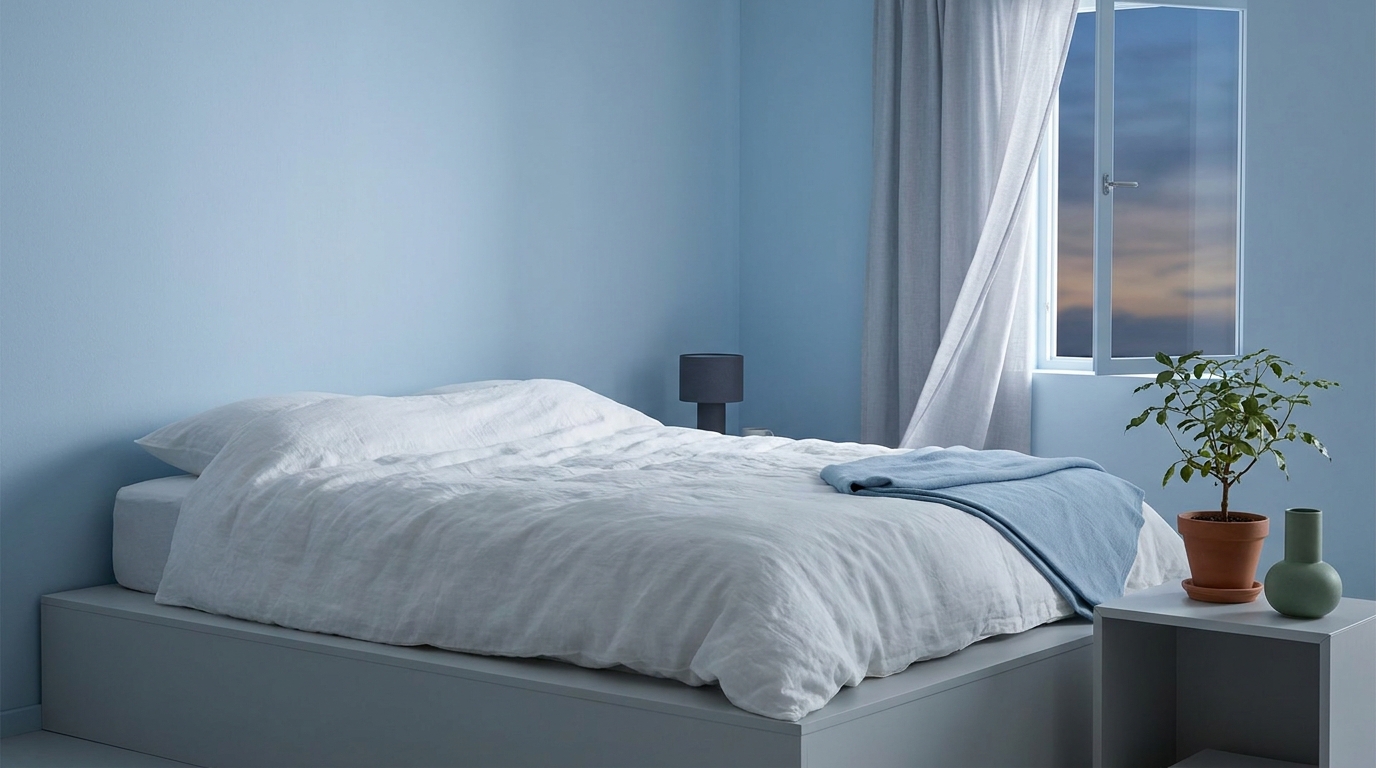
Quick answer: is 7.5 tog too warm for summer?
Short verdict
Short answer: a 7.5 tog duvet is classed as a mid-weight duvet in UK buying guides and is usually aimed at spring and autumn rather than the hottest summer nights, so it can be too warm in many typical summer bedrooms.
The key question is not the number on the label alone but how warm your bedroom gets and whether you are a naturally warm sleeper. The simple habit of checking room temperature with a thermometer helps decide whether a 7.5 tog will feel comfortable or too insulating; see our posts for more tips.
Is a 7.5 tog duvet too warm for summer?
A 7.5 tog is a mid-weight duvet normally better for spring and autumn; it can be too warm for summer if your bedroom is around 20 C or higher or if you are a warm sleeper, so measure your room and consider 2.5 to 4.5 tog or layering instead.
When 7.5 tog might still work
If your bedroom stays at or below the mid teens Celsius on summer nights, or if you sleep cool, a 7.5 tog may still be comfortable for some people. Conversely, in bedrooms that sit around 20 C or higher, or for those who run hot, most guidance points to lighter options for summer comfort.
What 'tog' actually measures and why it matters
Thermal resistance and the tog scale
The tog rating quantifies a textile's thermal resistance: higher tog equals more insulation and a warmer duvet. That makes the tog an easy shorthand when comparing warmth between duvets, but it only tells part of the story because breathability and moisture handling also affect how warm a cover feels.
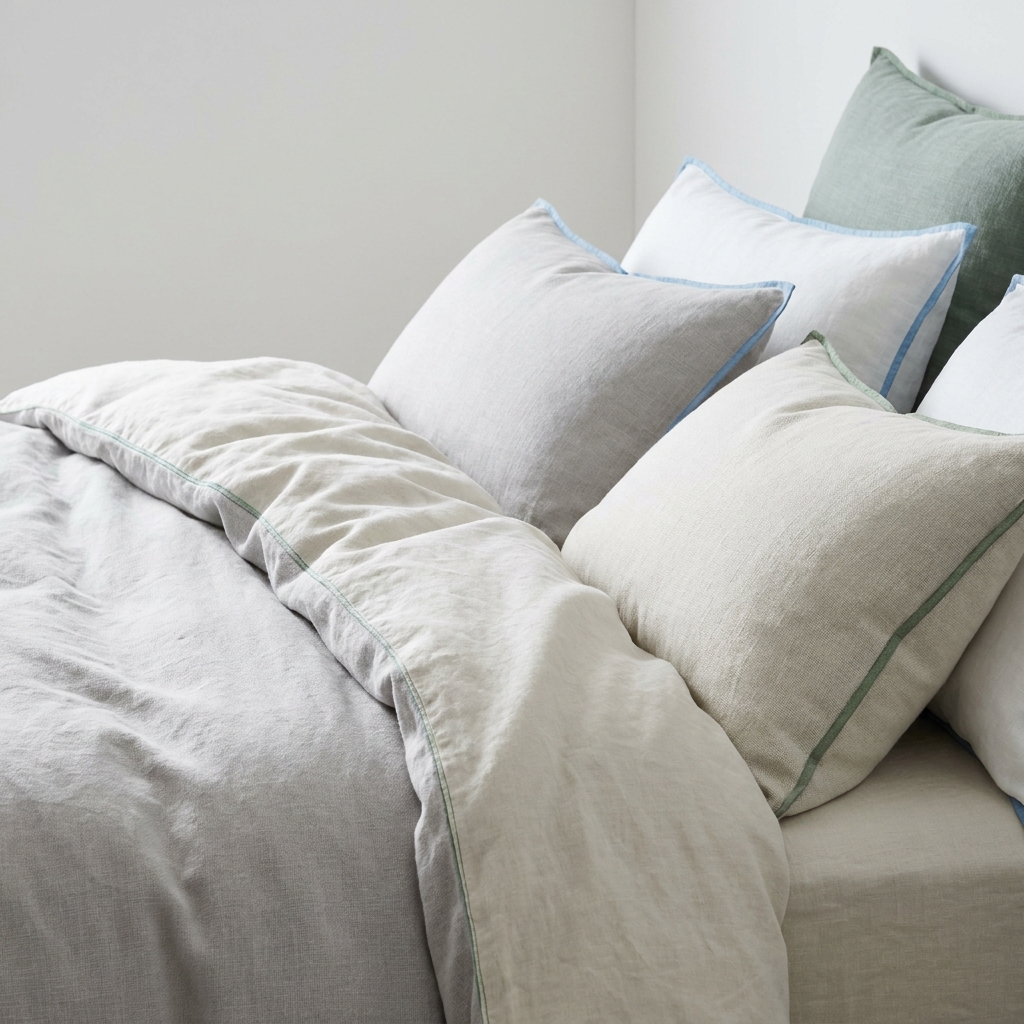
The number is meaningful because it is based on laboratory measures of thermal resistance, so choosing by tog gives a consistent starting point when you compare duvets from different makers.
How manufacturers and standards test duvet warmth
The standard laboratory method for measuring thermal and water vapour resistance in textiles uses a sweating guarded hotplate, and the international standard ISO 11092 describes that test method for textiles.
Knowing that tog comes from a reproducible test helps explain why a higher tog reliably indicates more insulating power, while a lower tog indicates less; still, the test does not directly measure breathability in normal use conditions, so real world comfort can vary from the lab number ISO 11092 page
Match tog to bedroom temperature and your sleep style
Recommended temperature bands and corresponding tog ranges
Adults generally sleep best when bedrooms are kept roughly between 15.6 and 19.4 C, and UK guidance commonly recommends around 16 to 18 C as comfortable for sleep; these ranges help you pick an appropriate tog rather than guessing by season alone Sleep Foundation guidance. Find related guidance on our site pages.
When bedrooms are in the higher twenties or sit at about 20 C or above, summer-weight duvets or sheets are usually better at preventing overheating than a mid-weight 7.5 tog, so consider lighter options if your room is warm or you are a hot sleeper, and retailer guides also cover recommended tog ranges such as The Ultimate Duvet Tog Guide.
How to check your bedroom conditions
Measure temperature with a simple digital thermometer placed near the bed, away from direct sunlight or vents, and check it a few hours after lights out so you see the sleeping temperature rather than the daytime reading.
Humidity also affects comfort. Monitor the bedroom conditions and use lighter bedding if the room feels warm or stuffy
room thermometer
Adjust your target tog down if you know you are a warm sleeper, if you experience night sweats, or if your mattress traps heat; children and people with medical conditions often need different choices, so err on the cooler side where safety or comfort are concerns. See specific guidance for children in a children's duvet guide here.

Decision checklist: how to choose duvet tog for your summer
Checklist you can use now
a short home test to decide if your duvet is right for warm nights
Use this short in-home test: measure the sleeping temperature, rate how warm you sleep on a scale of cool to hot, try sleeping with the 7.5 tog for one night and compare how you feel, then try a lighter layer the next night to compare. This practical test often beats relying on seasonal labels.
When you have your result, decide on a tog range: for rooms that average in the mid to high teens a 7.5 tog might be acceptable; for rooms near 20 C or above, favour 2.5 to 4.5 tog or a sheet-based setup.
Material and layering choices to increase flexibility
Choose breathable fillings and covers where possible: cotton and linen covers increase airflow, and certain summer-weight wools are designed to support evaporative cooling; these choices can reduce the need to switch duvets frequently.

Layering gives flexibility: a sheet plus a lightweight cover, or a modular 2-in-1 duvet that detaches into thinner layers, allows you to adapt across nights without buying multiple full duvets
Common mistakes and how to avoid them
Why 'one-size-fits-all' tog choices fail
A common error is choosing a duvet solely because it carries a seasonal label rather than matching tog to measured room temperature and personal heat sensitivity. A 'summer' label does not always mean the product suits every warm bedroom.
Another frequent mistake is ignoring mattress heat retention; pocketed memory foam or heated mattress toppers can raise local microclimate and make a mid-weight duvet feel too warm even when room temperature is moderate.
Shopping and storage pitfalls
When shopping, avoid assuming that a heavier fill always equals better sleep; instead, evaluate how the filling and cover fabric handle moisture and airflow, because two duvets with the same tog can feel different in use John Lewis duvet buying guide
For storage, keep seasonal duvets in breathable storage bags in a dry place to preserve loft and prevent mustiness; swapping duvets in and out each season is better than keeping a single heavy duvet year-round.
Practical scenarios and a final summary
Short scenario examples
Cool coastal flat, typical night 16 to 17 C: in this setting a 7.5 tog is likely to be comfortable for many sleepers, since the bedroom temperature sits in the lower end of the sleep comfort range; if you still feel warm, switch to a lighter cover or a sheet combination for the warmest weeks Sleep Foundation guidance
Warm upstairs bedroom, typical night 20 to 22 C: here a 7.5 tog will usually be too insulating; choose a 2.5 to 4.5 tog, a summer quilt, or a sheet to avoid overheating and fragmented sleep. See additional guidance from duvet makers here.
Hot sleeper or night sweats, variable room temp: people who run hot should prioritise very light covers and breathable fabrics; keep a lightweight option at hand and use layering so you can add a thin cover if a night turns cooler.
Quick summary and final recommendation
A 7.5 tog is classified as mid-weight and is typically intended for cooler shoulder seasons rather than the height of summer, so it can be too warm if your bedroom is above about 20 C or if you are a hot sleeper
Practical next steps: measure your bedroom temperature, try a night or two with a lighter setup if needed, and favour breathable materials or modular duvet systems so you can adapt without buying multiple duvets. Read more in our editorial.
Frequently asked questions
How warm is a 7.5 tog duvet?
A 7.5 tog duvet is classed as mid-weight and is generally aimed at spring and autumn; it provides more insulation than typical summer duvets.
What tog is best for a hot bedroom?
For bedrooms around 20 C or higher, lighter options such as 2.5 to 4.5 tog, a summer quilt, or a sheet are usually recommended to reduce overheating.
How do I test if my duvet is too warm?
Measure your sleeping temperature with a digital thermometer, try one or two nights with the duvet, then compare how you sleep after swapping to a lighter cover.
Decide by measuring and testing rather than by label alone. Keep a lightweight option or a modular duvet for shoulder seasons so you can adapt quickly when the weather changes. If you want more guidance on bedroom temperature and bedding choices, explore further resources that explain how sleep environment affects comfort and how to set up a breathable bed.
References
- https://www.talkaboutsleep.com/articles/
- https://www.iso.org/standard/55933.html
- https://www.sleepfoundation.org/bedroom-environment/best-temperature-for-sleep
- https://us.pigletinbed.com/blogs/the-piglet-journal/which-duvet-tog-is-right-for-you?srsltid=AU7gw4XgHIlERYLI-ADsJq18ppq_IsZ7sTT3ME34VbNbJPZqtHoWrC4N
- https://pandalondon.com/blogs/sweet-dreams-blog/childrens-duvet-tog-and-buying-guide
- https://www.johnlewis.com/buying-guides/duvet-buying-guide
- https://www.canadiandownandfeather.com/en-us/blogs/articles/guide-to-duvet-warmth?srsltid=AU7gw4U4wAj7rdjbKDEr_c_UNrr5Dj7gYwSdsfPsfE-rruwy3y_wyFBR