
The journal
What are the benefits of muslin blankets?
A clear answer on the benefits of muslin blankets, how their airy weave feels in use, when to choose one, smart layering tips, and simple care.

Muslin blankets are beneficial because their open, gauze-like weave allows more airflow than denser blankets, giving a light, breathable feel that many people find comfortable in warm rooms or as a layer year-round. They typically drape softly, pack small, and often get softer with washing. A lightweight muslin blanket can provide less insulation than a heavy wool, fleece or quilted blanket, so layering may help in cooler conditions. Warmth depends on actual fibre, weight, construction and layer count, not the name “muslin” alone (Cloudscape Linen: what makes muslin different; Gray Heron: muslin vs cotton; Bearaby: what is a muslin blanket).
What is a muslin blanket?
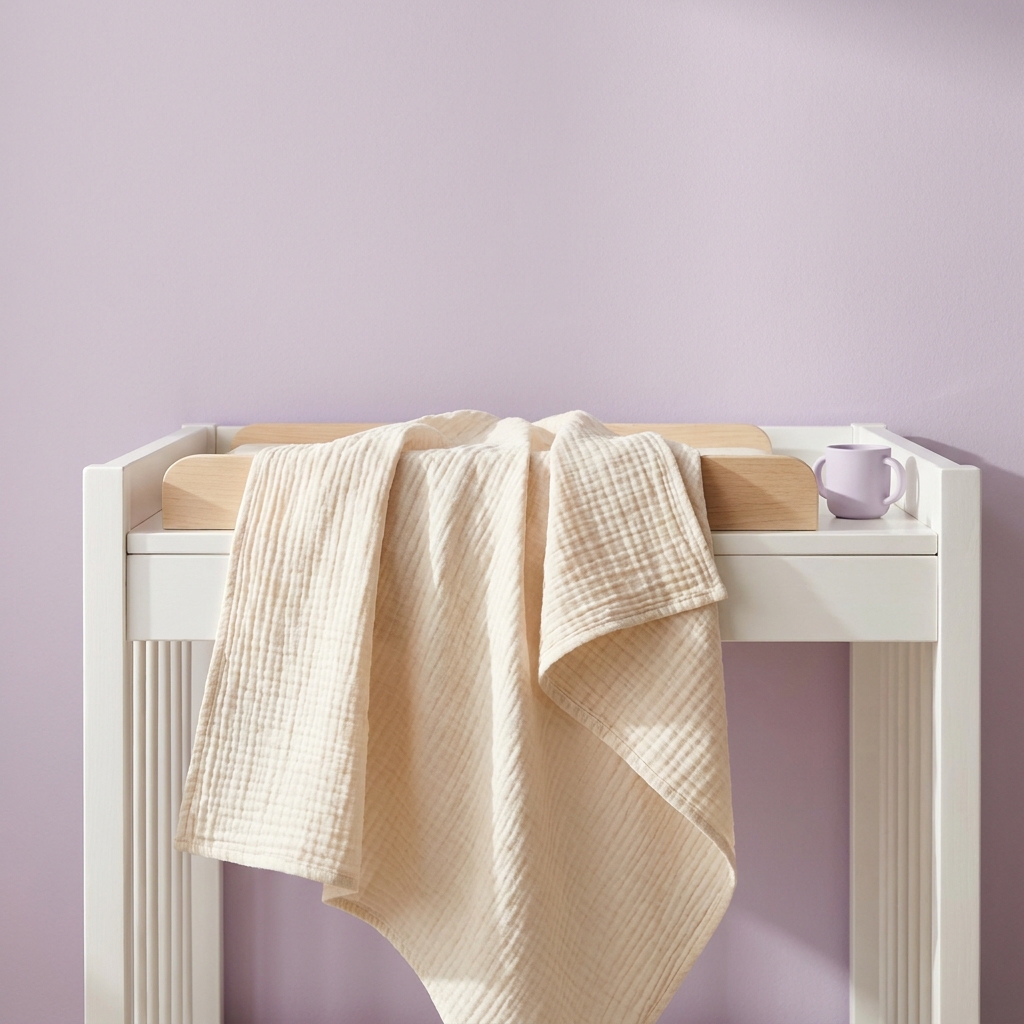
Muslin refers to a way of weaving fabric, commonly cotton, in a loose, airy structure. An open, lightweight muslin construction can feel airier than a denser blanket, but compare the actual fabric and layers rather than assuming every cotton blanket is warmer (Gray Heron: muslin vs cotton; Cloudscape Linen: what makes muslin different).
Benefits explained
Breathable comfort
The gauze-like weave lets air circulate, helping reduce heat buildup compared with dense weaves. That’s why many people reach for muslin in warmer seasons or use it as a top layer throughout the year (Cloudscape Linen: what makes muslin different; Gray Heron: muslin vs cotton).
Lightweight drape and packability
Muslin blankets tend to feel featherlight and easy to pack for travel or lounging as a light throw (Bearaby: what is a muslin blanket).
Softness that improves with washing
Well-made cotton muslin commonly relaxes and softens after repeated laundering, developing a comfortable, lived-in feel (Cloudscape Linen: what makes muslin different; The Cotton Living: breathable blanket guide).
Layerable temperature control
You can use muslin alone in warm rooms or layer it under a midweight blanket for cooler nights, balancing coverage without excessive weight (Cloudscape Linen: what makes muslin different; Bearaby: what is a muslin blanket).
Choice of layers for more substance
Muslin blankets are made in different layer counts; more layers add substance and warmth potential while keeping the breathable character (Gray Heron: muslin vs cotton).
When to choose muslin (and when not to)
- Choose muslin if you sleep warm, live in a warm climate, or want a breathable top layer that you can easily pair with other blankets (Cloudscape Linen: what makes muslin different).
- Consider denser cotton, wool, or a quilt if your bedroom is cold and you prefer strong, standalone insulation (Bearaby: what is a muslin blanket).
- If you like the feel of muslin but want more heft, look for higher layer counts or plan a simple two-blanket setup (Gray Heron: muslin vs cotton).
A worked example: one setup for two seasons
- Warm nights: sleep under a single muslin blanket.
- Cooler nights: keep the muslin as your top sheet substitute and add a midweight wool blanket or quilt on top. Remove the extra layer if you warm up overnight (Cloudscape Linen: what makes muslin different).
- Need help gauging warmth? See our practical explainer on duvet warmth to match layers to your home’s climate: What is the best tog for an all-year-round duvet?

Care basics for muslin blankets
Always follow the product’s care label. Many cotton muslin blankets can be machine washed on a gentle, cold cycle with mild detergent, then tumble dried low or line dried. Because muslin has a looser weave, avoid washing with items that have zippers or hooks that could snag the fabric (Bearaby: what is a muslin blanket). Expect a softer hand over time with proper washing (The Cotton Living: breathable blanket guide).
Quick checklist for choosing and using a muslin blanket
Related reading
- What is the best tog for an all-year-round duvet? Practical guide for temperate homes
- What’s better, OEKO-TEX or GOTS for bedding?

FAQ
Do more layers of muslin make a blanket warmer?
Generally yes. More layers add substance and warmth potential while keeping the breathable character of muslin (Gray Heron: muslin vs cotton).
Can a muslin blanket replace a winter blanket on its own?
Often not. Because of the airy weave, muslin tends to be less insulating than wool or dense quilts, so it usually works best layered in colder weather (Bearaby: what is a muslin blanket).