
The journal
What is the best container to store sheets?
A clear, label-first answer to the best containers for storing sheets, with breathable vs airtight pros and cons, when to avoid vacuum bags, and where to place containers so linens stay fresh. Includes a quick checklist and practical tips you can use today.
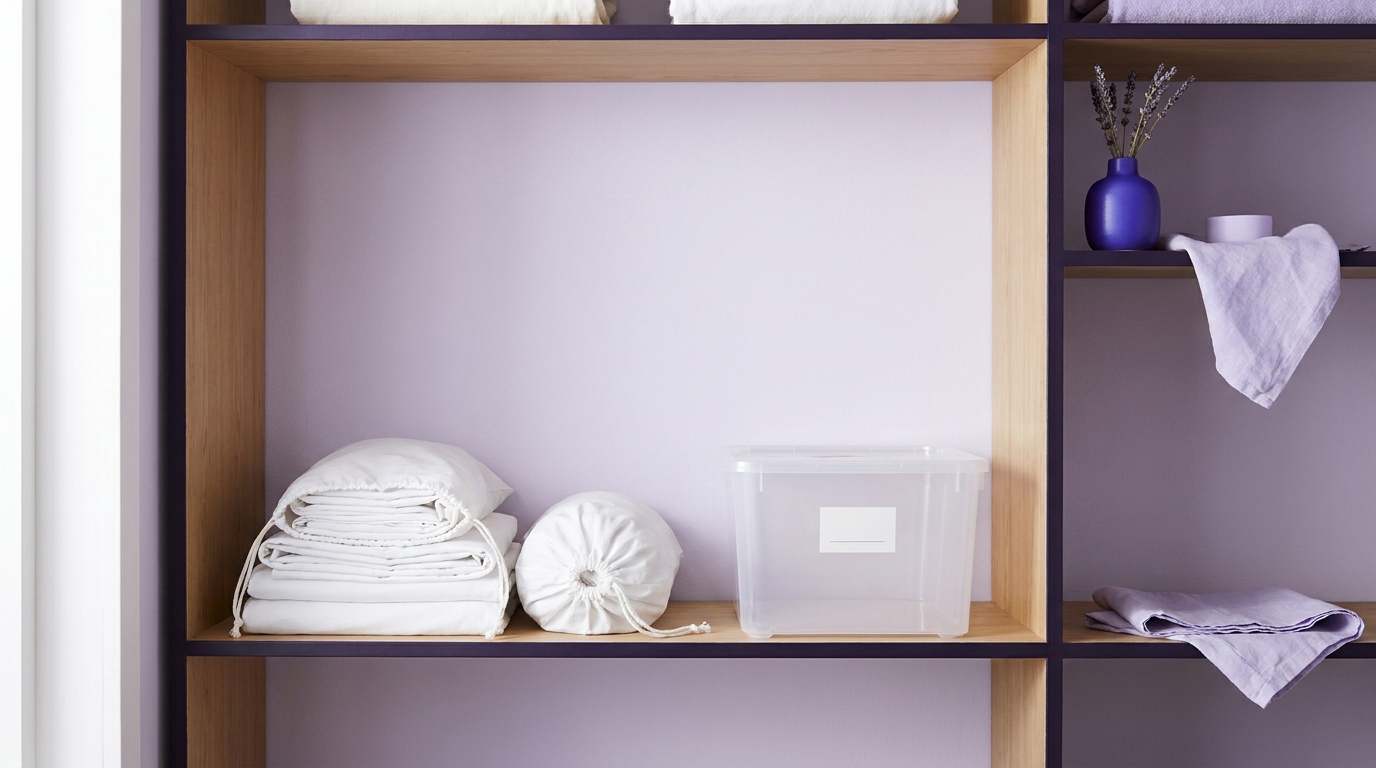
The best container for storing sheets in most homes is a breathable cotton storage bag kept in a cool, dry, climate‑controlled closet. Use an airtight plastic bin only if dust, pets or humidity are a problem, and avoid long‑term vacuum bags for bedding you want to keep soft and lofty (The Company Store: Store Seasonal Bedding).
Why breathable beats airtight for sheets
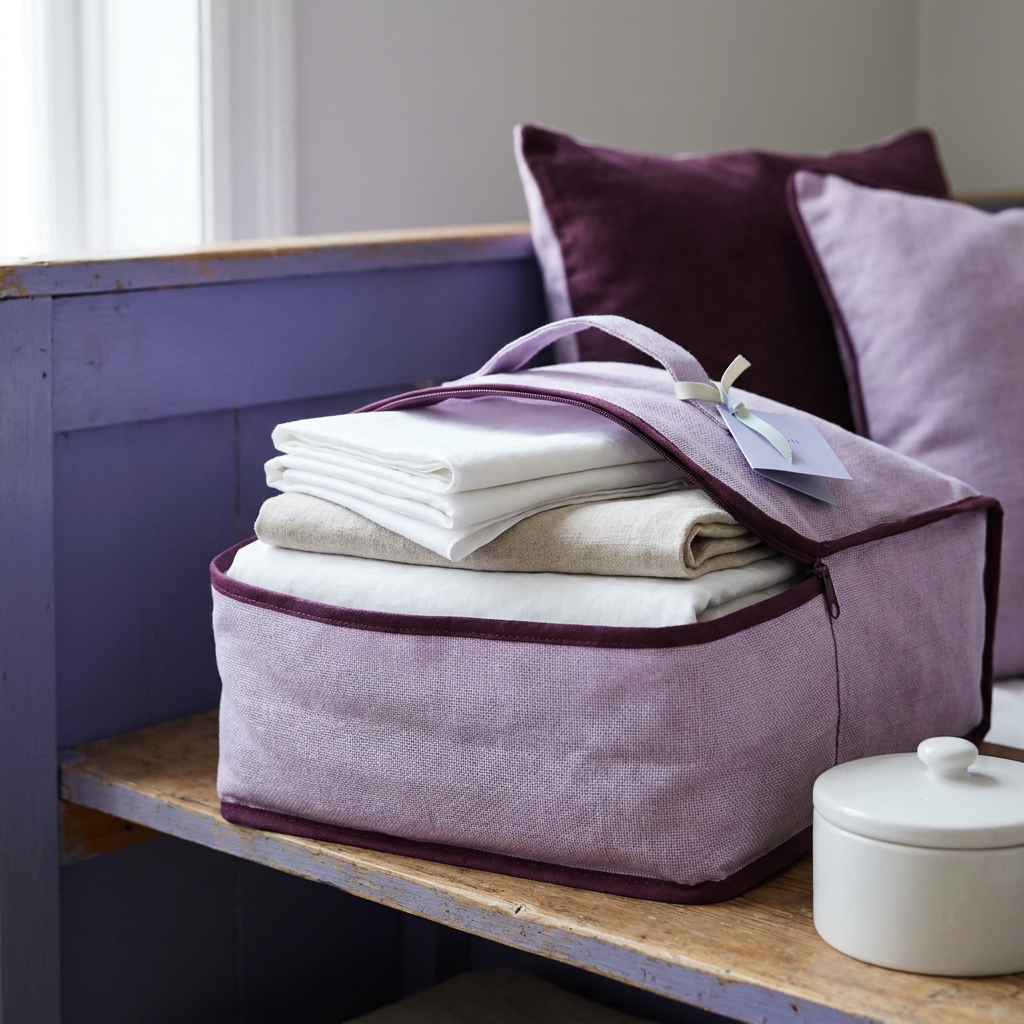
Breathable cotton storage bags let air circulate, which helps fabrics stay fresh and prevents trapped moisture from causing musty odors over time. They’re a strong choice for long‑term storage of most sheets and other fabric layers (The Company Store: Store Seasonal Bedding).
When an airtight bin is the smarter pick
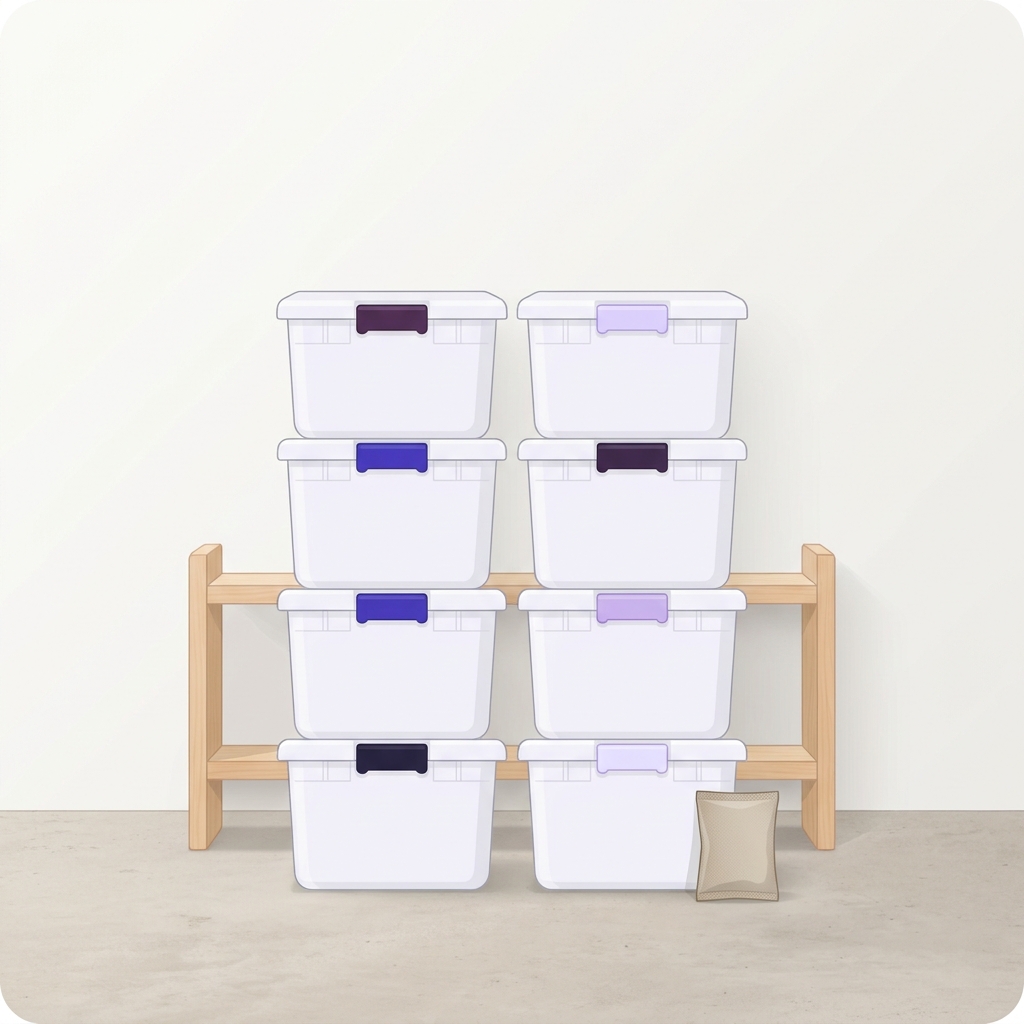
If your storage area is exposed to dust, potential pests, or you need stackable containers for closets or under‑bed space, choose a well‑sealed plastic bin. Two essential rules apply:
- Only pack sheets that are fully dry to avoid mildew risk (The Company Store: Store Seasonal Bedding).
- Keep the environment dry and stable. Aim for indoor humidity around 30-50% to reduce mold growth and musty odors (EPA: Care for Your Air).
Tip: If you’re worried about moisture, add a small desiccant pack (silica) in the bin and avoid storing near bathrooms, exterior walls that sweat, or laundry areas prone to humidity (The Company Store: Store Seasonal Bedding; EPA: Care for Your Air).
Should you use vacuum storage bags for sheets?
Reserve vacuum bags for short‑term space savings and mainly for synthetic items. Long‑term compression isn’t ideal for lofty or natural‑fiber bedding and can reduce softness. For most sheets, especially those you want to feel airy and comfortable, breathable bags or standard bins are better choices (The Company Store: Store Seasonal Bedding).
Where to put the container
- Best spot: a cool, dry, climate‑controlled closet or bedroom storage with steady airflow (The Company Store: Store Seasonal Bedding).
- Avoid: basements and attics due to humidity, heat, and temperature swings; also avoid direct sunlight, which can fade or yellow fabrics (The Company Store: Store Seasonal Bedding).
- Humidity target: keep indoor humidity roughly 30-50% to reduce mold risk and stale odors (EPA: Care for Your Air).
Before you pack: simple prep that prevents odors and mix‑ups
- Wash and dry fully: Storing clean, completely dry sheets prevents set‑in stains and mildew (The Company Store: Store Seasonal Bedding).
- Bundle by set: Stack fitted + flat + one pillowcase together, then slide into the spare pillowcase for a tidy “sheet bundle” that’s easy to grab and keeps pieces together (Good Housekeeping: Pillowcase Sheet Storage Trick).
- Label the container: Note the bed size/room and season so swaps are quick (The Company Store: Store Seasonal Bedding).
Storing throws alongside your sheets
If you’re putting throw blankets away at the same time, use the same rule of thumb: breathable cotton bags for lofty or natural‑fiber blankets and quilts, and airtight bins only when dust or humidity are concerns. Avoid long‑term compression of fluffy throws to preserve their feel (The Company Store: Store Seasonal Bedding).
Common mistakes to avoid
- Packing slightly damp sheets: even a hint of moisture can cause mildew and stubborn odors (The Company Store: Store Seasonal Bedding).
- Storing in hot attics or humid basements: these locations accelerate fading, flatten loft and invite mildew (The Company Store: Store Seasonal Bedding).
- Overusing vacuum bags: not ideal for long‑term bedding storage, especially anything lofty (The Company Store: Store Seasonal Bedding).
Put this into practice
Choose the container after checking whether the sheets are clean, dry and accessible for the next change. Label size and contents, and keep the storage location’s moisture conditions part of the decision.
Quick checklist: choose and place the right container
Related reading from Talk About Sleep
- Why bed sheets smell after being stored: causes and fixes
- Why fitted sheets are hard to fold (and how to fold them neatly)

If you want a separate washable fabric cover for a storage item, Made in Steps explains an envelope pillowcase project. Confirm the finished dimensions rather than treating that pattern as a universal storage bag. Sew an envelope pillowcase: measure the pillow first.