
The journal
Can a waterproof mattress protector be put in the dryer?
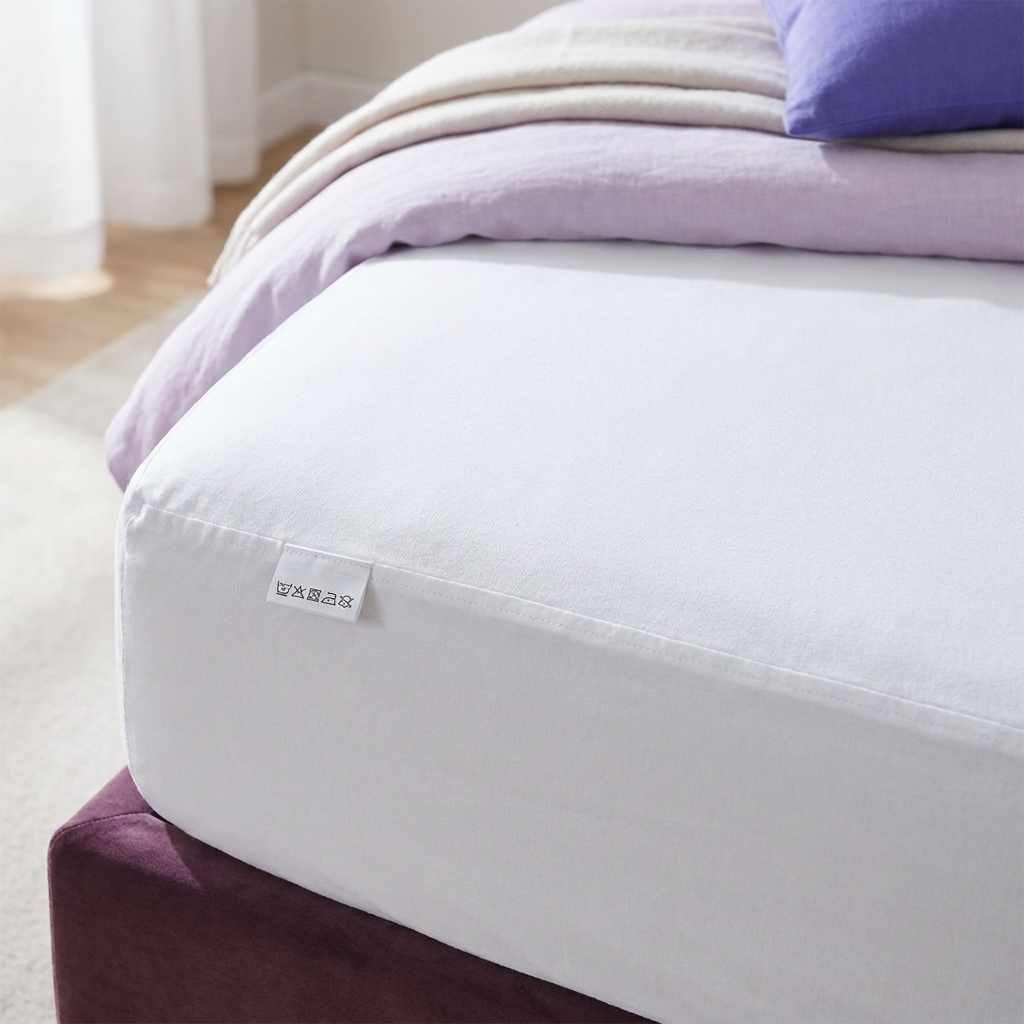
Check the exact care label: some waterproof protectors permit low-heat tumble drying, while others need a different method. One product’s instructions do not cover every membrane.

Some waterproof mattress protectors can go in the dryer. Use only the drying method and setting printed on your exact product’s care label. For example, a cotton protector with a waterproof laminate lists “tumble dry low” and “do not iron” in its care instructions (Company Store waterproof protector care).
How to tumble-dry a waterproof protector (label allows)
If your label includes tumble-drying, use these steps:
- Shake off excess water after the spin cycle to reduce dry time.
- Load the dryer according to the protector’s care instructions and the appliance’s capacity; do not add other items unless that routine is permitted.
- For the cited waterproof Company Store protector, the listed setting is tumble dry low. That is a specific product example, not a complete survey of waterproof protectors (Company Store waterproof protector care).
- Pause once mid-cycle to untwist corners if needed, then continue on low.
- Remove promptly once dry to prevent creasing and let it cool before reinstalling.
When to air-dry instead
If your care label does not permit tumble-drying, hang the protector to air-dry. Drape it evenly over a large rack or rail so air reaches all sides, and smooth the corners so water doesn’t pool. Rotate the hang point a couple of times while drying to help the interior layers dry uniformly.
Material notes that affect drying
- Waterproof cotton protector with laminate (often TPU): These typically specify machine wash cold and tumble dry low; they also list “do not iron” (Company Store waterproof protector care). Follow those limits to protect the laminate layer. A manufacturer Q&A confirms the waterproof layer on one model is TPU (Company Store waterproof protector care).
- Organic cotton encasement without waterproofing: These cotton-only barriers are not waterproof and list standard tumble-dry with prompt removal (Company Store organic protector care). If yours isn’t waterproof, you have a little more drying flexibility, but still follow its label.
- Non-waterproof cotton percale protector: Care tags can specify tumble dry low (Company Store cotton protector care), similar to many other cotton encasements.

Practical tips
- Check the zipper: If your protector fully encases the mattress, close the zipper before drying so it doesn’t snag on the drum or other items.
- Avoid extra heat: Skip ironing and high-heat sanitizing cycles on waterproof models, which are not listed on typical care tags for these products (Company Store waterproof protector care).
- Confirm dryness: Make sure seams and corners are fully dry before putting the protector back on the bed.
Put this into practice
Check the actual protector’s care label before selecting the drying cycle. Inspect it after the supported method and keep proof of the model; advice for another waterproof backing is not permission to use more heat.
Dry your waterproof mattress protector: quick checklist
Related reading on Talk About Sleep
- Can I wash a mattress protector in the washing machine? Practical washing and drying guidance
- What causes yellow stains on a mattress protector? Practical cleaning and care
Short FAQ
Can I use high heat to speed this up? Use only the settings permitted for your product. The waterproof Company Store example cited here specifies low heat and no ironing (Company Store waterproof protector care).
How do I know if mine is waterproof? The label or product page should mention a waterproof layer or laminate. Some cotton encasements are not waterproof and list different care details, such as simple tumble-dry with prompt removal (Company Store organic protector care).
