
The journal
What are the different types of pillowcase closures?
A clear guide to pillowcase closure types with a focus on how envelope closures work, plus practical tips to choose the right finish for comfort, fit and care.
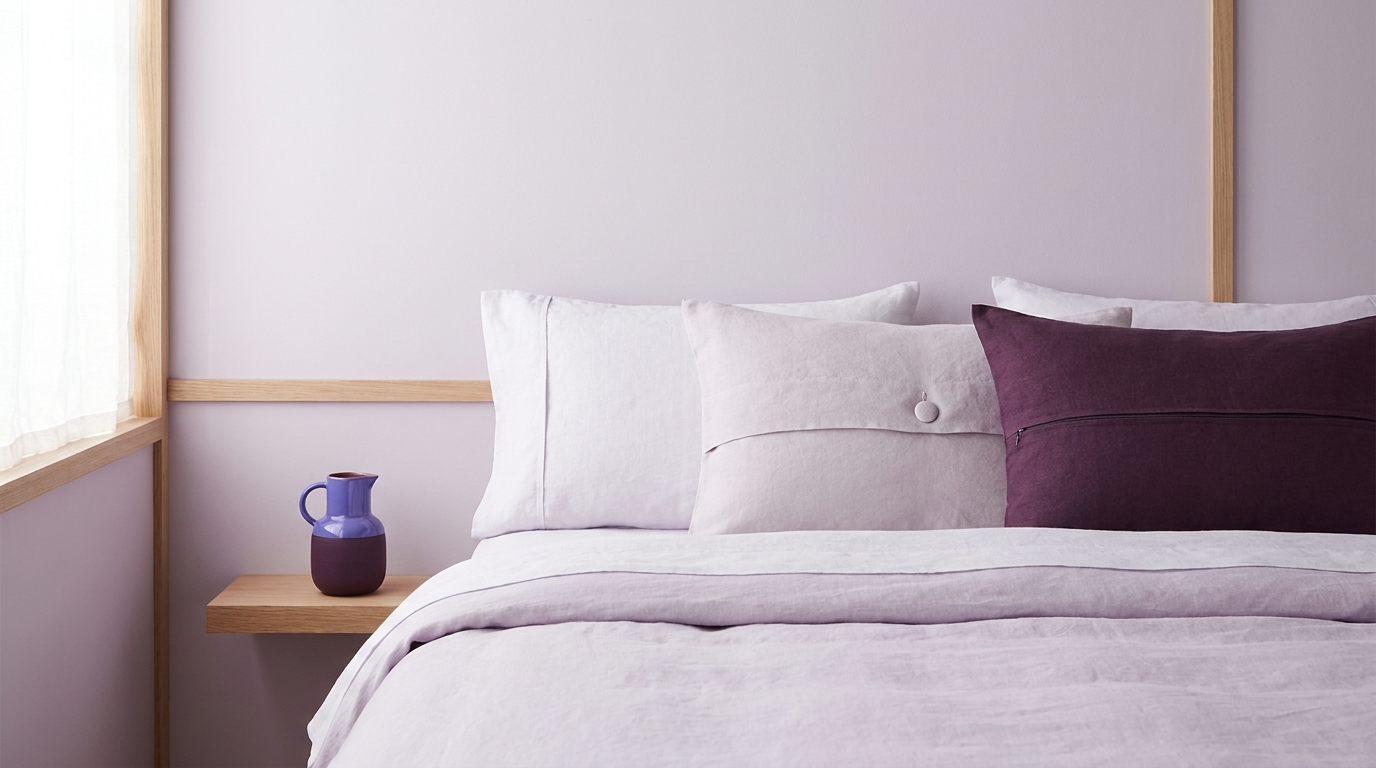
The main pillowcase closures are open-end (bag style), envelope or overlap, zipper (including hidden zips), and less common options like buttons, ties or drawstrings, hook-and-loop (Velcro), and permanently stitched-closed covers. An envelope closure uses overlapping fabric panels to form a pocket that holds the pillow without hardware, a construction described for bed shams and covers by makers and sewing guides Threadwell on pillow closures; SewingMachinesPlus pillow closure guide.
Envelope closures at a glance
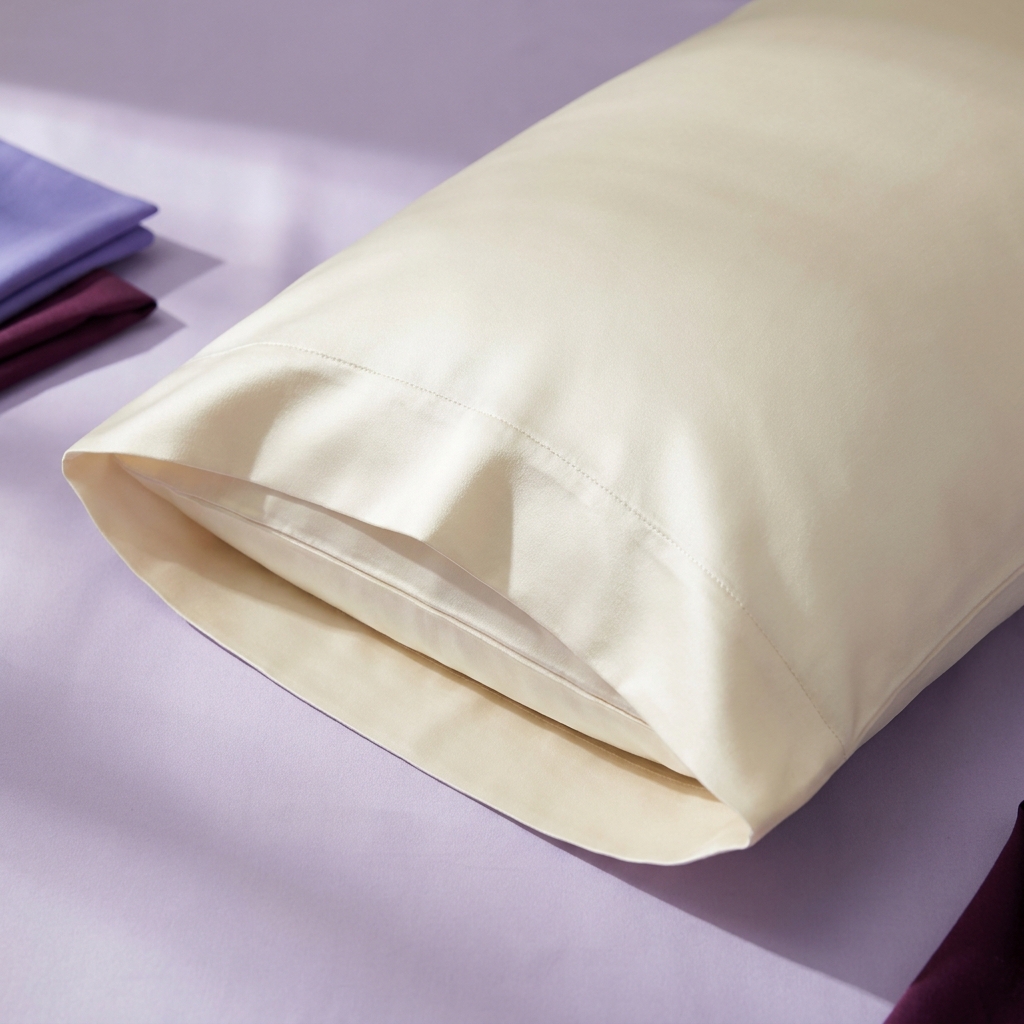
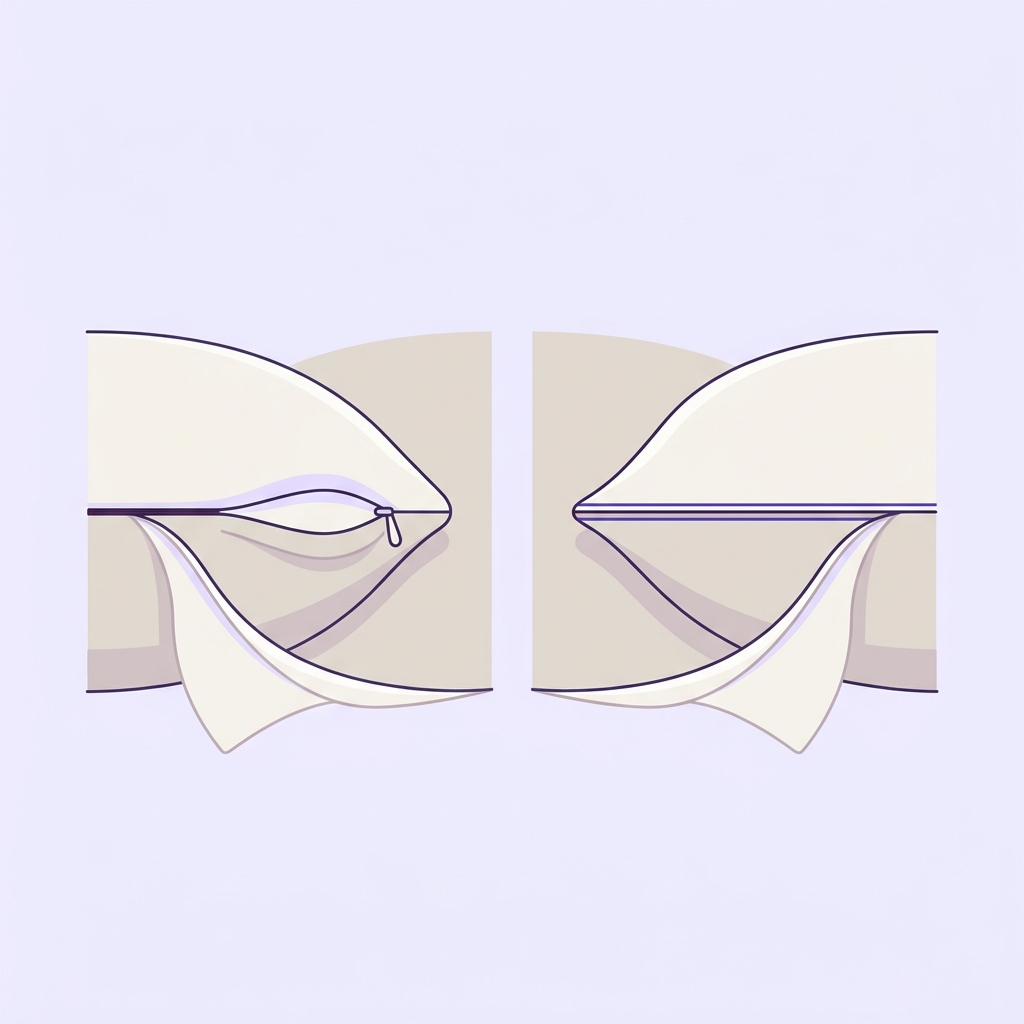
What it is: Envelope construction varies: a bedding pillowcase often has a flap inside the open end, while a decorative cover may use two overlapping back panels. Both tuck fabric over the insert without a separate fastener. This approach is typical of bed shams and is comfortable to sleep on because there is no hardware at the opening Threadwell on pillow closures.
When it helps: If you want a hardware-free feel with a neat, finished look and easy removal for laundry. For standard bedding cases, many sewists also add a hidden flap to keep the insert from peeking out, which works like an envelope SewingMachinesPlus pillow closure guide.
Other closure types and how they compare
Open-end (bag style)
This is the classic bedding pillowcase with one open hemmed end. It is quick to change but can show the pillow if there is not enough length to tuck the insert well inside. Many makers add a hidden flap to help cover the insert SewingMachinesPlus pillow closure guide; Mellanni: types of pillowcases and closures.
Zipper and hidden-zip
A zipper is sewn into a seam to fully enclose the insert; on decorative pillows it is often placed along the bottom edge. Hidden zips are inset so the pull is less visible. The trade-off is a secure, tailored finish versus the possibility of feeling hardware, which is why some makers reserve metal zips for decorative use Threadwell on pillow closures.
Buttons
Buttons may be used as a design element over an underlying closure or as the fastener itself on some covers. They add decorative detail but take longer to open and close than an envelope or zip Threadwell on pillow closures; Mellanni: types of pillowcases and closures.
Ties or drawstrings
Fabric ties or drawstrings secure the opening and are common on tubular or decorative pillows. They offer adjustable containment with a handcrafted look, but require an extra step to fasten each time SewingMachinesPlus pillow closure guide.
Hook-and-loop (Velcro)
Hook-and-loop tape can close an opening while keeping the edge seam visually simple and is easy to operate and replace if it wears, though it is less common than envelope or zip for standard bedding cases Mellanni: types of pillowcases and closures.
Permanent stitched closure
Some decorative cushions are sewn completely closed, permanently enclosing the insert. This removes any visible closure but prevents removing the cover for washing or replacing the insert Threadwell on pillow closures.
How to choose the right closure
Match closure to feel, fit and care
- Want a hardware-free feel for sleeping? Choose envelope or open-end with a hidden flap SewingMachinesPlus pillow closure guide.
- Want the most contained, tailored look? A zipper encloses the insert and keeps both sides smooth Threadwell on pillow closures.
- Prefer decorative detail? Consider buttons or ties on shams or accent pillows Threadwell on pillow closures.
Get the fit right
For open-end or envelope styles, allow enough length and overlap so the insert stays covered; many sewists add a back flap specifically to stop the insert from peeking out SewingMachinesPlus pillow closure guide.
Quick checks before you choose a pillowcase closure
Where each style typically appears
- Everyday bedding: open-end or envelope/hidden flap, for simple changes and a soft edge at the opening SewingMachinesPlus pillow closure guide.
- Decorative shams and cushions: envelope/overlap, hidden zipper, or permanent closure depending on the desired finish and access needs Threadwell on pillow closures.
Related from Talk About Sleep
FAQs
What exactly is an envelope closure pillowcase?
It uses overlapping fabric to tuck over the insert without zippers or buttons. On bedding this is often an internal end flap; decorative covers commonly use overlapping back panels. This style is widely used for bed shams and cases because it is easy to launder and has no hardware against the face Threadwell on pillow closures.
Is a zipper better than an envelope closure?
Each suits different priorities. A zipper fully encloses the insert for a tailored look, while an envelope avoids hardware and is quick to remove and replace. Pick based on feel, fit and how often you change cases Threadwell on pillow closures; Mellanni: types of pillowcases and closures.
Can I convert an open-end case to an envelope?
Yes. Many home sewing tutorials add a back overlap panel to a basic case. For a step-by-step overview from our craft publication, Made in Steps, see Made in Steps: Sew an envelope pillowcase (external) Made in Steps tutorial.

Product options for this topic
As an Amazon Associate I earn from qualifying purchases. These are researched options, not hands-on test results. Check the exact size or model, current price and availability on Amazon.
| Product option | Fit and limits to check | Retailer |
|---|---|---|
| Amazon Basics 400 Thread Count Cotton Pillowcases | Cotton pillowcases to consider if replacing a worn pair. Check the pillow dimensions, pack size and washing instructions. | View on Amazon |