

When it comes to getting a good night’s sleep, there are few things that can help more than upgrading your mattress. Thankfully, upgrading your bed to find one that is more comfortable for your sleeping style and that helps you to fall asleep and stay asleep doesn’t mean you have to break the bank – there are a number of high-quality mattresses available for under $300.
In order to help you find the best mattresses under $300 and avoid the low-quality imposters that flood the market at this low price point, we considered a number of important features. The primary features were the type of mattress – whether foam, memory foam, or a hybrid foam and spring mattress – and how firm each mattress is when you lay down on it since these are hugely important for the lifetime of the mattress and your comfort sleeping on it. In addition, we considered whether each mattress is certified and whether it comes with a warranty to provide peace of mind for your purchase.
After tens of hours of researching the best sleeping mattresses under $300, poring over technical specifications and customer reviews, we came up with our 10 favorites listed in the table below. Continue reading for detailed reviews of each mattress, complete with pros and cons. Our buying guide covers everything you need to know about what differentiates great mattresses at this price point from low-quality mattresses and how to find the right mattress for you. Finally, we announce our top three overall favorite mattresses under $300.
More features: infused with green tea extract and purified charcoal, patented zoned pressure relief, breathable knitted cover
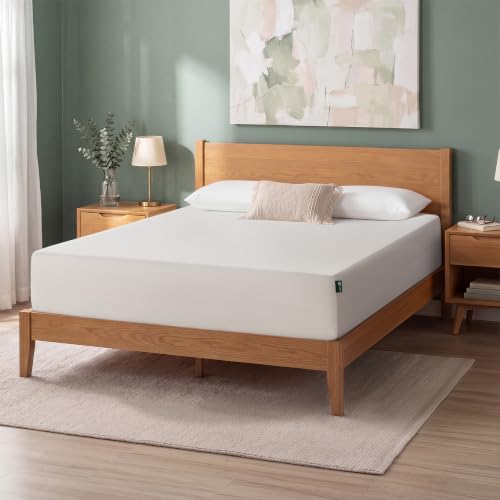
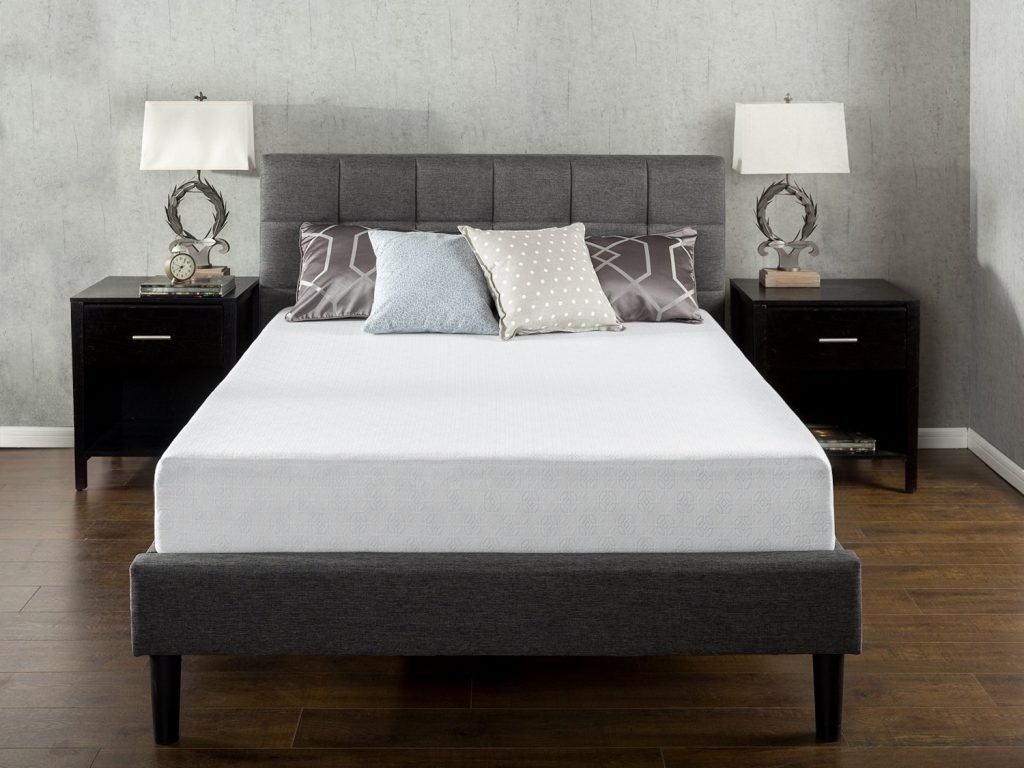
When it comes to finding a terrific mattress under $300, it’s hard to beat this 12-inch queen from Zinus.
The memory foam is infused with green tea extract and purified charcoal, which work together to neutralize odors and keep the bed smelling fresh night after night. Underneath, Zinus uses its patented zoned pressure relief, so your shoulders and hips get cushioning while the rest of you still gets support.
The medium firm feel is a sensible middle ground for back, side, and combination sleepers, and with CertiPUR-US certified foams and an OEKO-TEX Standard 100 knitted cover you know what you are bringing into the bedroom.
More features: fiberglass-free, open-coil airflow, assembled in the USA
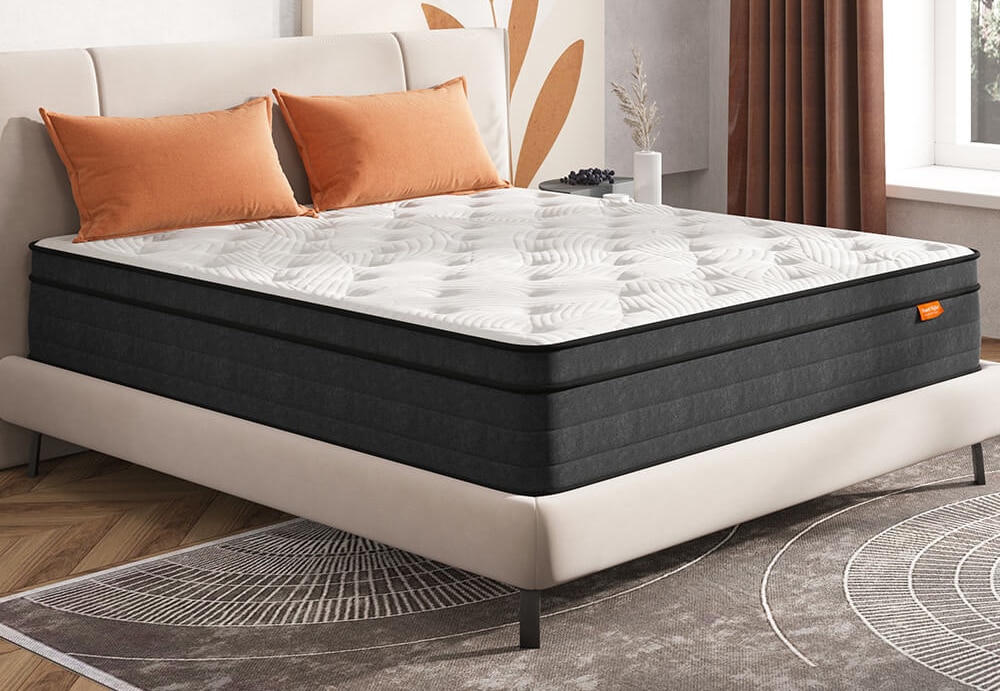
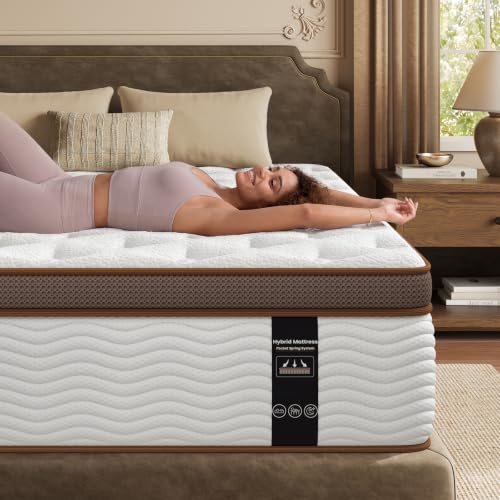
This BedStory hybrid is one of the thickest mattresses we found for under $300, with a full 13-inch profile built from multiple foam layers over a base of individually wrapped steel coils. The pocket springs give it a supportive feel that all-foam beds in this price range struggle to match, while the gel-infused foam takes the edge off pressure points at the shoulders and hips.
Because each coil is wrapped separately, movement on one side of the bed is largely absorbed before it reaches your partner, and the open-coil construction lets far more air move through the mattress than a solid foam core would. The foams are CertiPUR-US and OEKO-TEX certified, the mattress contains no fiberglass, and BedStory backs it with a 365-night trial and 10-year support.
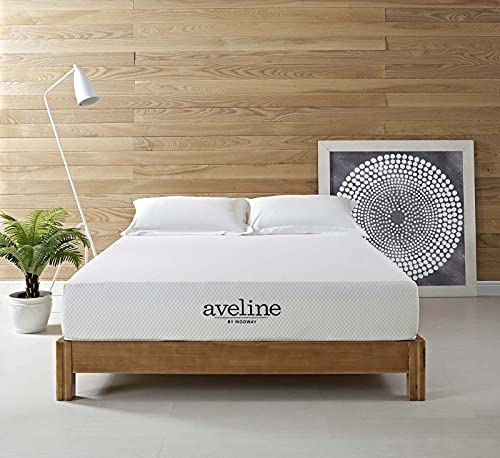
More features: gel-infused, open-cell memory foam upper layer over a dense foam base; removable stretch knit cover with zipper
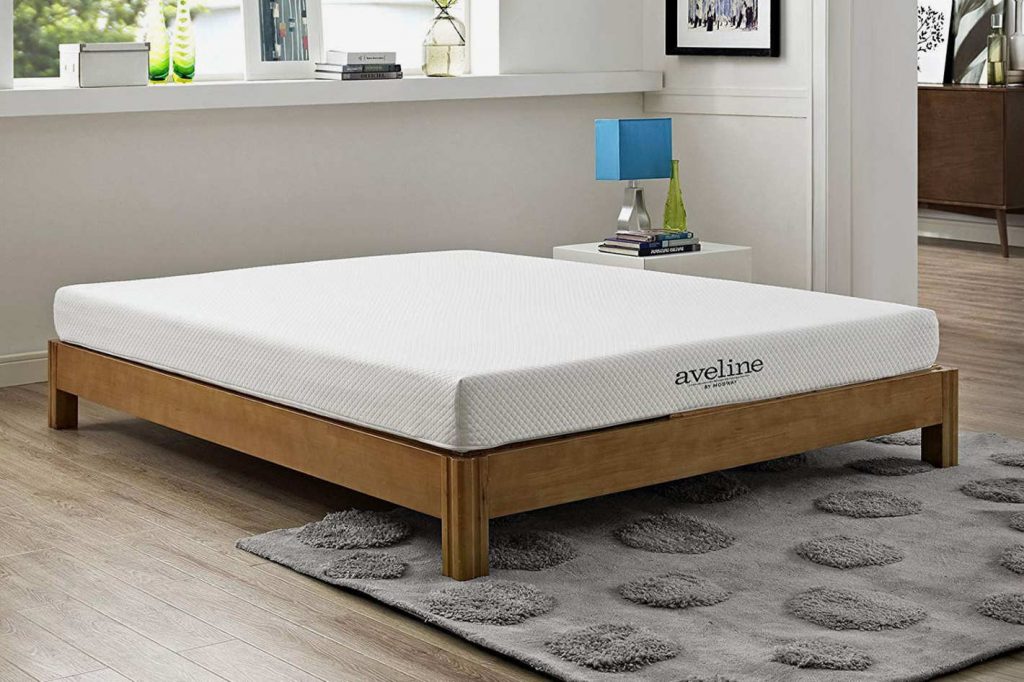
Users love this memory foam mattress from Modway, which suits side and back sleepers alike, and in this California King size it comes in just under the $300 mark. It is built from two layers, a three-inch gel-infused memory foam layer on top that lets the body sink in and eases pressure points and a seven-inch high-density foam base for support, and the open-cell design cradles the head and back so well that back sleepers found it greatly reduced the issues they had with other mattresses.
The gel-infused top layer does an excellent job of dissipating heat, although heavier users wished for more support in the upper layer since much of their weight ends up on the much stiffer base foam, which can cause some pressure against the shoulders and hips. The foam is CertiPUR-US certified and the mattress comes with a 10-year warranty, and if a California King is more bed than you need, the same mattress is also sold in Full and King.
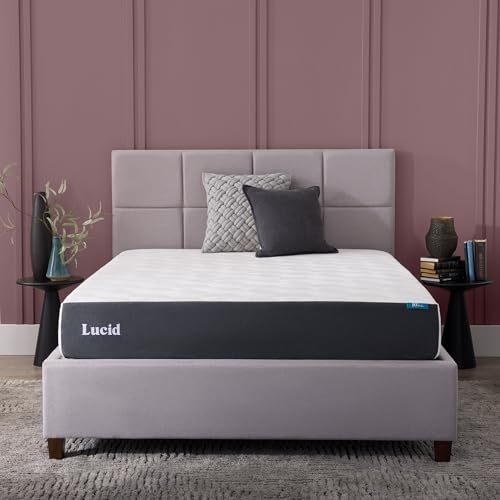
More features: bamboo charcoal infusion for moisture control; fiberglass free; made in the USA
If overheating on your current mattress is keeping you from a good night’s sleep, this gel-infused memory foam mattress from Lucid offers a solution at a price that stays comfortably under $300 for a queen. The 3-inch comfort layer is infused with cooling gel that draws heat away from your body, and the bamboo charcoal in the foam absorbs moisture and helps regulate temperature through the night.
The feel is medium, so you get the contouring that memory foam is known for while the 1.5-inch transition layer and 5.5-inch high-density base keep your spine aligned. The foam is CertiPUR-US certified, the mattress is made in the USA and it comes with a 10-year limited warranty.
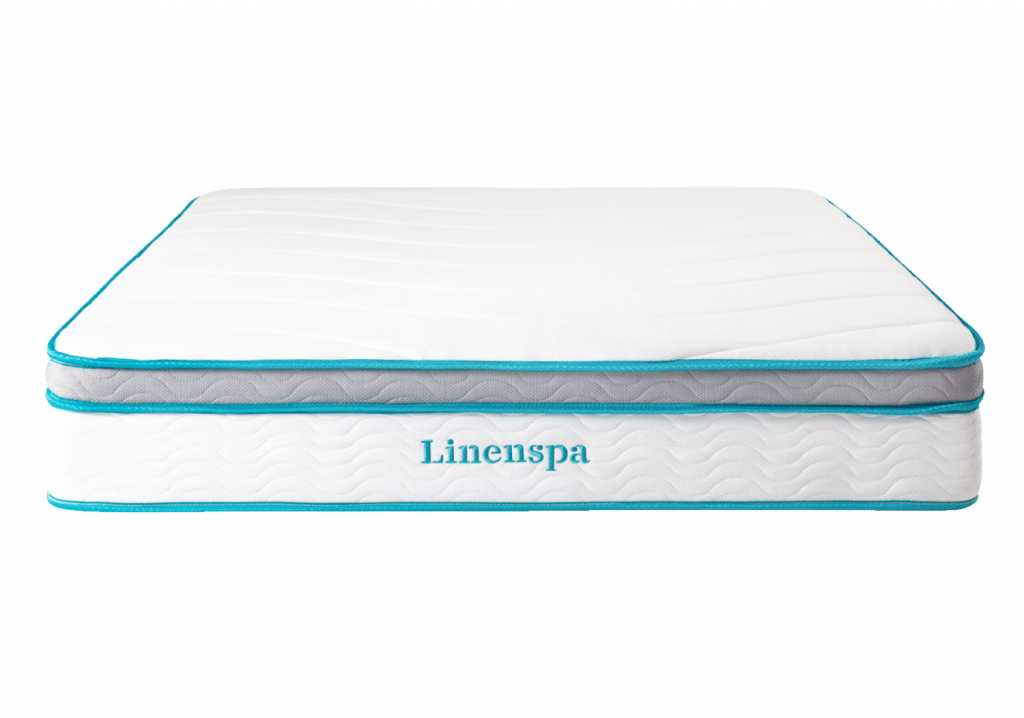
More features: a combination of memory foam, support foam, and tempered steel springs
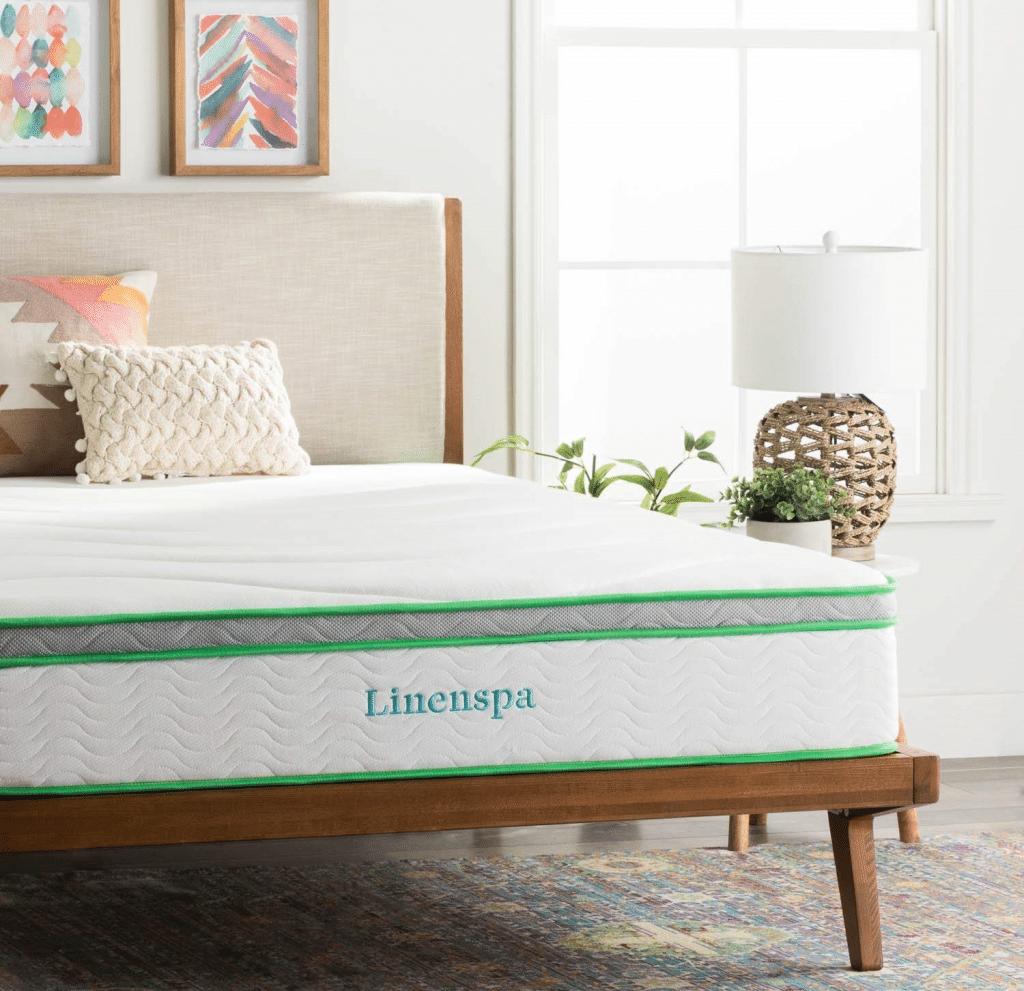
For users who aren’t willing to make the jump to a fully foam mattress, this hybrid mattress from Linenspa offers a terrific combination of comfort and affordability.
The mattress is described as medium firm, but users ranging from back sleepers to side sleepers appreciated the feel of this mattress thanks to the comfortable combination of memory foam, support foam, and innersprings. In fact, many users were pleasantly surprised by how comfortable they found this mattress given that the memory foam layer at the top is relatively thin – only about one inch thick. The key is the thicker layer of comfort support foam sandwiched between the memory foam and the innersprings, which helps to temper the influence of the springs. In effect, the comfort foam provides all the support that lightweight users need while cushioning heavier users from the springs.
Since the memory foam layer is relatively thin, users did not experience any issues with overheating on this mattress. Many people appreciated the springs for adding bounce to the mattress, making it easier to get in and out of. In addition, they found that the springs are relatively quiet and can only be heard when bouncing around on the bed. Users found that the memory foam can compress over time, but the comfort foam and the innerspring layers hold up to years of use if the mattress is properly rotated.
The mattress is available in the full range of sizes from twin to California king and is available in either eight- or 10-inch thicknesses, with the difference between the two coming in the thickness of the innerspring layer. Linenspa offers a 10-year warranty on the mattress.
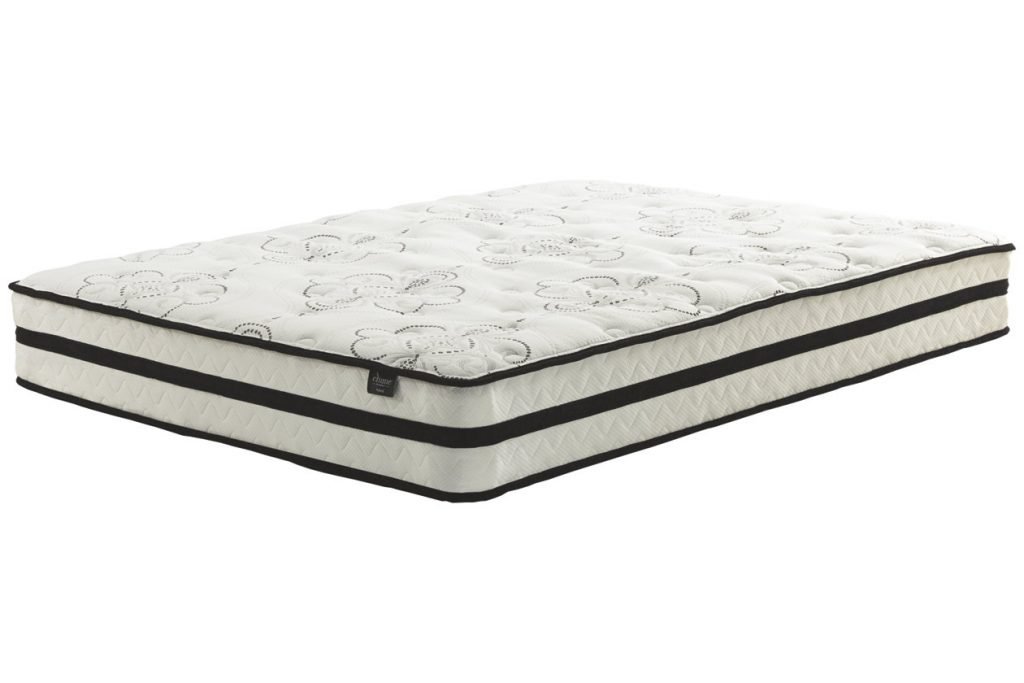
More features: individual power packed wrapped coils and gel memory foam top layer
Users were extremely pleased with this hybrid mattress from vaunted home furniture company Ashley Furniture. The mattress is 10 inches thick, although a 12-inch version is also available for users who like a more plush mattress or for heavier users who need more support. The 10-inch version is described as medium firmness, which users felt was accurate – back and stomach sleepers found this mattress to be quite comfortable, but side sleepers felt like they were lying on a block of concrete.
The mattress has three layers, although somewhat surprisingly only one inch of the top is made of foam – including a ¼-inch layer of gel-infused memory foam and a ¾-inch layer of support foam. Compared to the other hybrid mattresses we reviewed, this means that there is very little support foam surrounding the springs and tempering their influence on the mattress. As a result, users felt like this was more similar to a traditional innerspring mattress than to any foam mattress and many reported that the mattress relieved hip and shoulder pain that they could not shake on their past mattresses.
Users found that the springs are quiet and the bed provides plenty of bounce. Plus, an advantage to the minimal foam layers is that there is little worry about permanently compressing the foam and needing to replace the bed. Surprisingly, Ashely Furniture only offers a one-year warranty on this mattress – the shortest warranty among mattresses we reviewed – so this durability is important. The bed is available in sizes ranging from twin to California king to fit your needs.
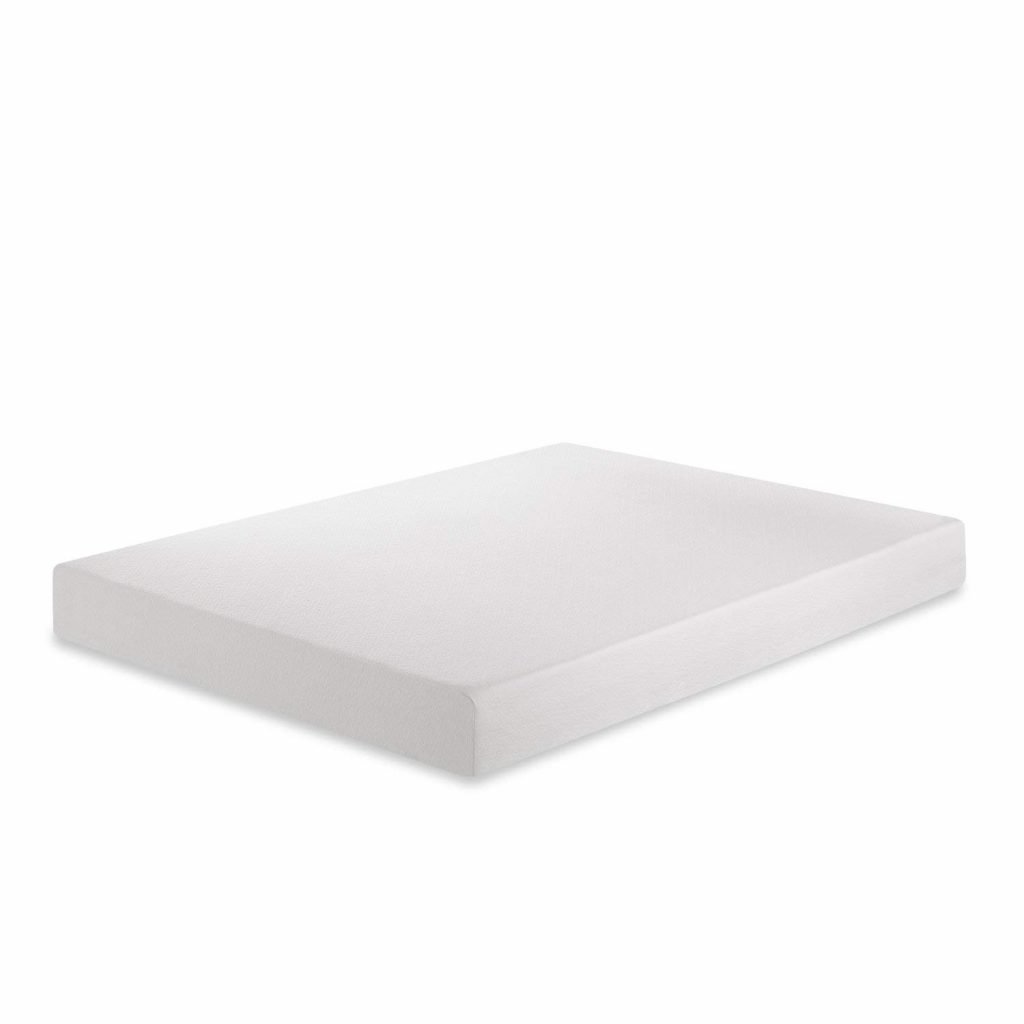
More features: Super Soft Foam layer for pressure relief
This 10-inch thick mattress from Best Price is hard to beat when it comes to support. The mattress features fully five inches of foam above the five-inch-thick high-density support foam layer, in the form of a three-inch thick memory foam layer and a two-inch thick support foam layer. This is great news for heavyset sleepers who experience discomfort on other mattresses from pressing down to the high-density foam layer. Plus, the combination of the memory foam and comfort foam layers offers terrific back and neck support that makes this mattress a great choice for back and side sleepers. Stomach sleepers may face some issues with this mattress since the memory foam tends to sink quite a bit when pressured, although users reported that the mattress gets firmer after several weeks of decompressing out of the box.
Unfortunately, there is a major flaw to this mattress – the fire protective cover inside the outer cover is made entirely from fiberglass. Users who removed the outer cover in order to clean it found that their entire room became covered in itchy fiberglass particles, which can be nearly impossible to clean up. This means that the mattress cover essentially cannot be cleaned and that a rip in the cover could lead to major problems.
This mattress is available in additional thicknesses ranging from six inches to 12 inches, although most users will want to opt for the 10-inch thickness since this provides the optimal balance of memory foam and comfort foam to high-density support foam. The bed is also available in a range of sizes and comes with a 10-year warranty.
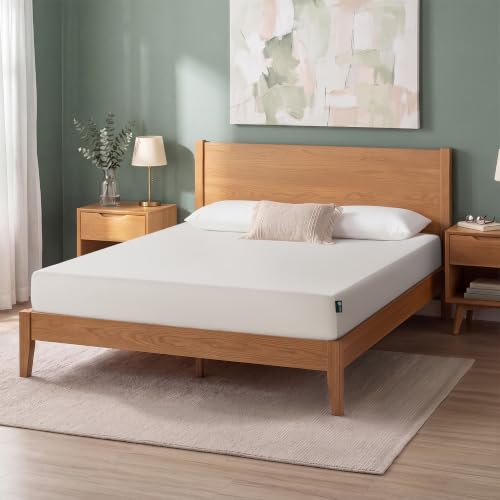
More features: green tea and charcoal infusion, zoned pressure relief
This inexpensive 6-inch memory foam mattress from Zinus is a practical way to fill a guest room bed or a child’s bedroom without spending much. At only six inches it is best treated as an occasional or short-term sleeping surface, since heavier sleepers will want more foam underneath them for proper support.
The foam is infused with green tea extract and purified charcoal to help keep the mattress fresh, and Zinus uses its zoned pressure relief design to ease aches and pains through the night. The foam is CertiPUR-US certified and the cover is OEKO-TEX certified, the queen size is rated to support up to 500 lbs, and Zinus backs the mattress with a 10-year limited warranty.
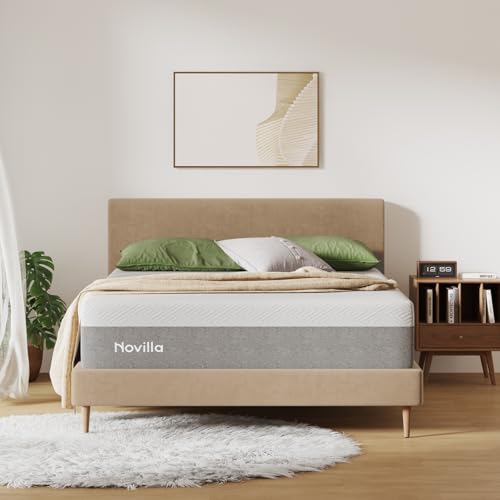
More features: motion isolation, reinforced edge support, cooling knit cover, 100-day trial
This 10-inch queen from Novilla is built from three foam layers: a NanoGel memory foam top that contours around your back and hips, a comfort layer beneath it, and a support layer that spreads your weight across the surface. Firmness is not specified for this model, but the contouring top layer is the part side sleepers will notice, and the three layers together absorb movement at every level rather than passing it across to the other side of the bed.
The knitted cover and the gel-infused foam are meant to pull heat off the surface, which is the usual weak point on foam mattresses in this price bracket, and the edges are reinforced so you are not sliding off when you sit on the side. It arrives rolled and compressed in a box and can take up to 72 hours to reach its full shape, so unbox it a few days before you actually need to sleep on it.
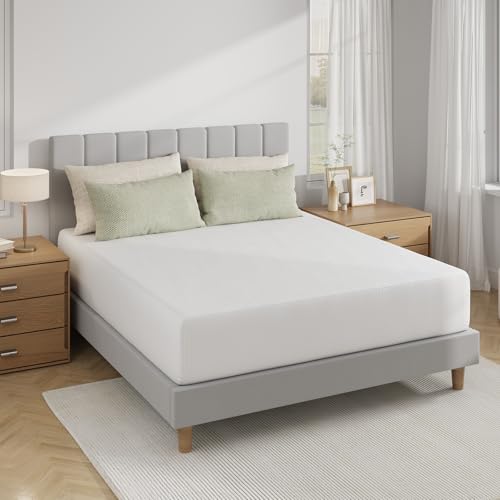
More features: extra NanoGel in the gel memory foam, quilted breathable knit cover, ships compressed in a box
Novilla builds this 12-inch queen from three foam layers, and the stack does the one job couples care about most: the foam absorbs the noise and vibration of someone turning over or getting out of bed, so the other side of the bed stays still. Underneath, the high-density foam is what holds the spine in line, which is the part that decides whether a cheap foam bed still feels right after a few months.
The gel memory foam carries extra NanoGel to draw heat away and keep air moving, worth having when two people share a foam mattress on a warm night. The foams are CertiPUR-US certified, the quilted knit cover carries OEKO-TEX Standard 100, and Novilla backs the mattress with 10-year protection.
Now that you’ve learned more about our 10 favorite mattresses on the market today for under $300, how do you choose between them to find the mattress that is right for your sleeping style and needs? Furthermore, how do you tell these high-quality and low-priced mattresses apart from the cheap imposters that are common under the $300 price point? Our buying guide will cover everything you need to know about choosing a mattress under $300, from what to expect at this price point to the features you should examine when choosing a mattress.
 One of the most common concerns we hear is that a mattress under $300 can’t possibly help you get a good night’s sleep because it just doesn’t cost enough compared to most mattresses on the market today. However, when it comes to mattresses, the price can be misleading. But when does the price difference really make a difference? Here, we’ll help you know what to expect when shopping for a mattress under $300.
The truth is, many expensive mattresses are expensive not because they are constructed with high-end, expensive materials, but because consumers are willing to pay the sticker price for them simply because they reason that a more expensive mattress will offer a better night’s sleep. However, in many cases there are few differences between mattresses that cost under $300 and those that cost over $1,000 other than the brand name and the advertising budget – especially if they are using the same materials at the heart of the mattress. For this reason, many people report finding a low-priced mattress just as comfortable, or even more comfortable, than premium mattresses at exorbitant prices.
That said, there are some important differences you are likely to run into when looking at mattresses under $300. First, the materials mattresses at this price point are made from are likely to be more limited. Many of the mattresses we reviewed are constructed from foam or memory foam rather than traditional box springs or from a soft, dense material like latex or cotton that is commonly used in high-end mattresses. Part of the reason for this is that foam can be compressed for shipping – which reduces the price because it saves a brand from maintaining a brick-and-mortar location – but another part of the reason is that foam is a cheaper material. While a cheaper material doesn’t necessarily mean less comfortable, it is important to remember that having a foam core in your current mattress might be part of the reason that you are having trouble sleeping and that upgrading to a more expensive material could make a big difference.
 Another thing to look out for in a mattress under $300 is durability. Many mattresses under $300 are designed to be one-sided, meaning that they have a top and bottom that are different. This means that the mattress cannot be flipped, which will reduce its lifespan from potentially a decade or more of use to around five to seven years of use.
While buying a new mattress at this low price point in several years may still be worth it, be sure to consider the added cost of replacing your mattress more frequently when comparing to a more expensive mattress.
Finally, one of the major differences between low-priced mattresses and high-priced mattresses is where they are made. Simply put, mattresses made in the USA cost more – so if keeping local businesses is something you care about, expect to pay more than $300 when shopping for a new mattress.
Now that you know more about what to expect from a mattress priced under $300, how do you determine which of the hundreds of different mattresses at this price point could be a fit for your sleeping habits? In this section, we’ll explain some of the most important features of mattresses so that you can better choose the mattress that suits your needs.
 Mattress type and construction
One of the most important things to look for in any mattress is what type of materials it is made from and how it is constructed.
To start, let’s look at the types of mattresses that are commonly found for under $300 – foam, memory foam, and hybrid mattresses.
Polyurethane foam, which forms the core of many of the mattresses we reviewed, is one of the least expensive materials for mattresses to be made from and has been a staple of mattresses for the past 100 years. However, viscoelastic foam, better known as memory foam, has skyrocketed in popularity in recent years such that nearly all of the foam mattresses we reviewed are now made partially with this type of foam on top.
When choosing a mattress under $300, though, it is important to recognize that almost no mattresses marketed as memory foam mattresses are made entirely of memory foam – instead, they typically have a few inches of memory foam at the top with the bulk of the mattress made up of less expensive high-density polyurethane foam to keep the price down. While this may not be an issue for many users, it is important to consider whether the two to three inches of memory foam found on low-priced mattresses is enough for you to feel supported and comfortable.
More broadly, this means that it is important to look at the layered construction of a mattress when examining what it is made of. In general, the top layer or two of the mattress will determine how soft or firm the mattress feels to you, while the upper half of the mattress will determine how supportive the mattress is. This also means that a thicker mattress is not necessarily more supportive, since a 10-inch build like the Novilla Bliss mattress divides that height between a contouring comfort layer and the support foam beneath it, and only the top layers change how the surface feels. However, for heavyset users, having a thicker base of foam like that can be extremely important for feeling supported.
Another consideration when looking at foam mattresses is whether the memory foam layer is standard memory foam or gel-infused memory foam. Gel-infused memory foam, like that found in the Classic Brands and Lucid mattresses, is designed to be better at dissipating heat and circulating air than standard memory foam. This can be a major factor for people who live in warm climates and who have trouble sleeping because they overheat.
However, note that gel memory foam typically has a shorter lifespan than standard memory foam and will become irreversibly compressed over time.
While most non-foam mattress materials are too expensive to be priced under $300, there are some hybrid models – mattresses incorporating a combination of foam and traditional springs – available for under $300 like the mattresses from Ashley Furniture and BedStory. Hybrid mattresses offer some of the supporting feel of traditional innerspring mattresses while also providing a soft foam top, which makes them beloved by many people and easy to adjust with a mattress topper to get the perfect level of softness and support. In general, hybrid mattresses are bouncier, which makes them easier to get out of in the morning, as well as better at moving heat away from your body in the night compared to memory foam mattresses. Unfortunately, these advantages also add to the price of hybrid mattresses so the selection under $300 is relatively limited.
 Sizes available
Once you’ve found a mattress that you are happy with, it’s important to see whether it is available in the size that you need. Most mattresses are available in a range of sizes, from a twin size to king or even California king sizes. However, note that our designation of prices under $300 is based on queen-sized mattresses – opting for a king or California king size may push the price of your mattress above this ceiling. In general, full- or twin-size mattresses are considered large enough for a single sleeper, while a queen size mattress or larger is considered enough for a couple to sleep in comfortably.
A queen size mattress is the most common mattress size since it is practical – it fits in most rooms – while also offering enough space for two people.
Mattresses come in a variety of thicknesses, ranging from just 6 inches for the Zinus Green Tea memory foam mattress to as much as 13 inches for the BedStory mattress. For the majority of people, mattress thickness is not an overwhelming concern when choosing a mattress – while six inches might be a little thin, the majority of mattresses we reviewed are 10 inches thick or more, which provides plenty of support for the average person. However, heavyset users will need a thicker mattress to provide support so that their weight is captured entirely in the mattress’s foam rather than supported in part by the hard floor. It is worth noting that many mattresses are available in multiple thicknesses, so heavy users can order a mattress that is right for them, although adding thickness will typically increase the price without altering the thickness of the top memory foam layers.
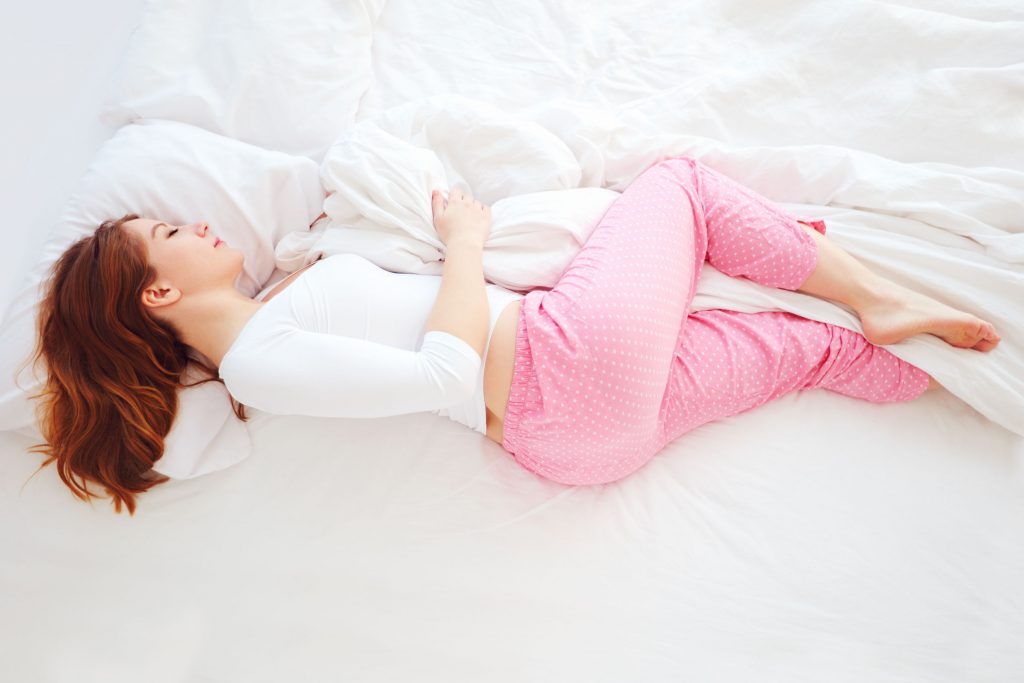 What’s your typical sleeping position? The answer may determine how firm you need your mattress to be. In general, particularly firm mattresses, like those from Modway and Best Price, are best suited for back and stomach sleepers, since your body needs to essentially float on the top of the mattress and your weight is spread out so that you are not as likely to develop pressure points. On the other hand, side sleepers tend to sleep better on contouring memory foam mattresses, like the model from Novilla, that let them sink in, since it is easy to develop painful pressure points when sleeping on your side on a hard mattress.
However, these are not hard and fast rules – back sleepers in particular often find themselves more comfortable on a plush mattress, while the level of firmness or plushness can vary a ton even between mattresses that market themselves as being extra firm or extra plush. In addition, you and your partner may have different sleeping styles and need to compromise on a mattress that works for both of you – in which case a medium firmness mattress like the one from Ashley Furniture can be a good option. It is always a good idea to try out mattresses at your local store to get an idea of whether you prefer a firm or plush mattress if you don’t already know your preference.
The quality of the materials used in your mattress can make a big difference in your sleeping experience. First of all, the high-quality foam will ensure that your body has the support it needs for a good night’s sleep and that the top layer is soft enough for you to feel comfortable. The support aspect is particularly important for heavyset users who need more support from the same amount of foam in a mattress. In addition, the materials in your mattress can affect your overall health – mattresses under $300 are often not made with hypoallergenic materials like many more expensive mattresses are, which can cause problems both in the bed and beyond if you are prone to allergies.
The materials used in your mattress play a major role in how long your mattress will last.
For example, different qualities of foam have different lifespans, as do different types of foam – you can expect that the cooling effects of gel-infused foam come at a cost of this foam lasting for a shorter lifespan than standard memory foam.
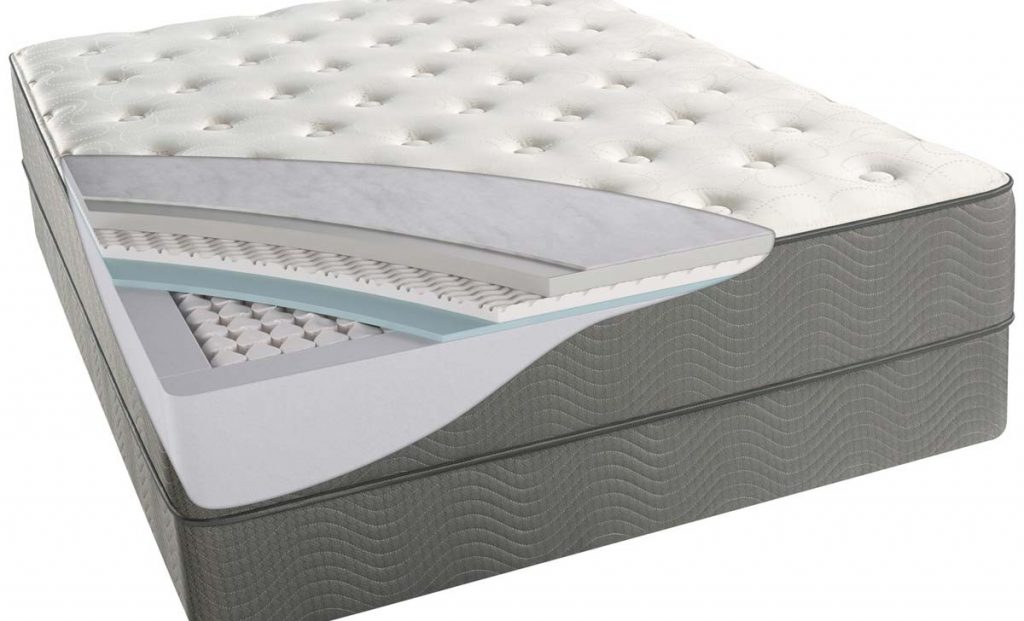 Temperature regulation
When it comes to finding the culprit for why you may be tossing and turning in the night on your current mattress, poor temperature regulation is often to blame. Many people overheat in the middle of the night and wake up simply because their mattress does a poor job of dissipating heat and circulating air – which can be especially problematic during the summer months or if you sleep with a partner.
Temperature regulation is also where your choice of mattress materials can make a big difference. Most mattresses under $300, and all of the mattresses we reviewed, are topped with either memory foam or gel-infused foam, so we won’t dive into the heat dissipating capabilities of more expensive materials. However, gel-infused foam, such as is found topping the mattresses from Classic Brands and Lucid, is significantly better at dissipating heat away from your body and moving air through the foam cells than memory foam is. In fact, this is one of the major reasons that some people refuse to switch to a memory foam mattress.
One of the most common certifications that mattresses under $300 receive is the CertiPUR-US certification – all of the mattresses we reviewed, including the BedStory mattress, have this certification. The CertiPUR-US certification essentially states that the foam used in a mattress meets certain quality standards related to emissions, performance, and durability. In particular, this certification indicates that a mattress is free from volatile organic compounds, heavy metals, and other harmful substances that could impact your health over the course of years of sleeping on a mattress.
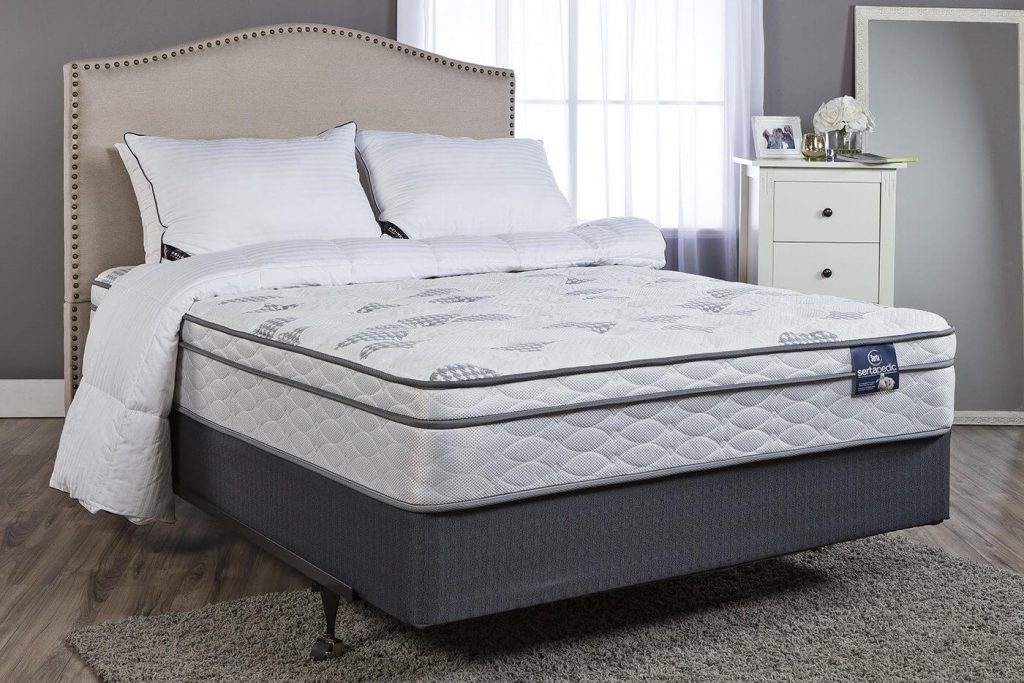 Even at a sub-$300 price point, you should expect your mattress to last for many years to come – foam mattresses have a minimum lifetime of about five years, and many can last for 10 or more if treated properly. The durability of your mattress depends on a few factors. First, the types of materials that the mattress is made from have a big impact. A high-density foam will keep its form nearly forever, but memory foam will eventually lose its elasticity and will begin to become permanently compressed. Gel-infused memory foam has the disadvantage that it begins to break down faster than standard memory foam, meaning that it will become permanently compressed even more quickly.
The innersprings found in hybrid mattresses have quite a long lifespan, especially if you are good about rotating your mattress over its lifetime, and will typically outlast the memory foam layers of these mattresses.
Even though you may not expect your mattress to be comfortable for 10 years or more, it is also a good idea to look for a long warranty when choosing a mattress to add peace of mind to your purchase. Many of the mattresses we reviewed offer limited warranties of 10 years, while the mattress from Classic Brands comes with an extraordinarily long 25-year warranty that ensures you can keep your mattress for as long as you stay in your home if you would like, and the Lucid is backed by a 10-year limited warranty.
Unfortunately, one of the important things you lose when shopping for a mattress under $300 is a sleep trial. While all mattresses that we reviewed offer a warranty, none of them offer a 30- or 60-day money back guarantee that would allow you to try out the mattress in your home for a month or two before fully committing to it. Instead, you may be able to find some of the mattresses that we reviewed at your local mattress store to give them a brief trial run, but in general, you will be responsible for the hassle and cost of working with the manufacturer to return any of these mattresses.
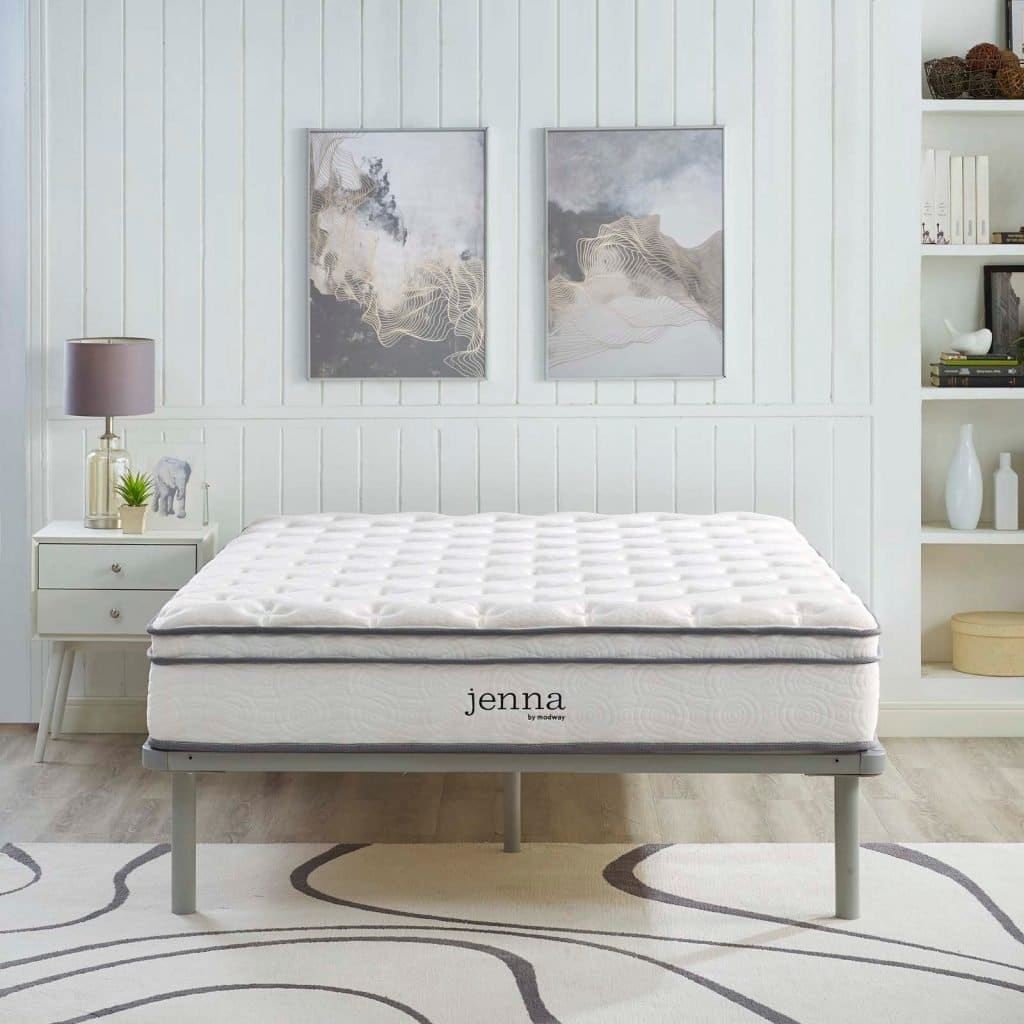 In order to keep your mattress feeling springy and your memory foam elastic as if it were new, it’s important to maintain your mattress with some frequency. The most important thing you can do to keep your mattress in tip-top shape is to rotate it from head to toe once per month – this ensures that your weight is distributed over the mattress evenly over its lifespan and allows the foam time to rebound in between rotations.
If your mattress is two-sided – which none of the mattresses we reviewed are – you can also flip it over when you rotate it to spread your weight over both sides of the mattress.
Another important maintenance task is simply vacuuming your mattress every once in a while to remove hair, dust, and any other debris that has gotten on your mattress. This will ensure that the foam pores do not become clogged, which would impede air circulation, as well as helps to prevent any unwanted bugs from taking up lodging in your mattress. If you find any stains while you are cleaning the mattress, you can use a mild detergent and sponge to clean them up. In addition, baking soda and water is a great combination to scrub out any odors that are coming from a particular spot on your mattress.
Our three overall favorite mattresses under $300 on the market today are the Zinus Memory Foam 10-inch Green Tea Mattress, the BedStory 13 Inch Hybrid Mattress, and the Modway Aveline 10-inch Gel Infused Memory Foam Mattress. Both the BedStory and the Modway mattresses are designed with gel-infused memory foam layers to dissipate heat and improve air circulation so you don’t have to worry about waking up in a sweat in the middle of the night. Plus, users loved the hybrid design of the Olee Sleep mattress since it provides much of the comfort of memory foam without compromising on the incredible support offered by a traditional innerspring layer. We feel the Zinus Green Tea mattress is the overall best mattress under $300 thanks to its durable support foam layer beneath the top layer of green tea memory foam as well as the green tea and purified charcoal infusion that helps keep the mattress smelling fresh.
Find TalkAboutSleep first in Google Search.